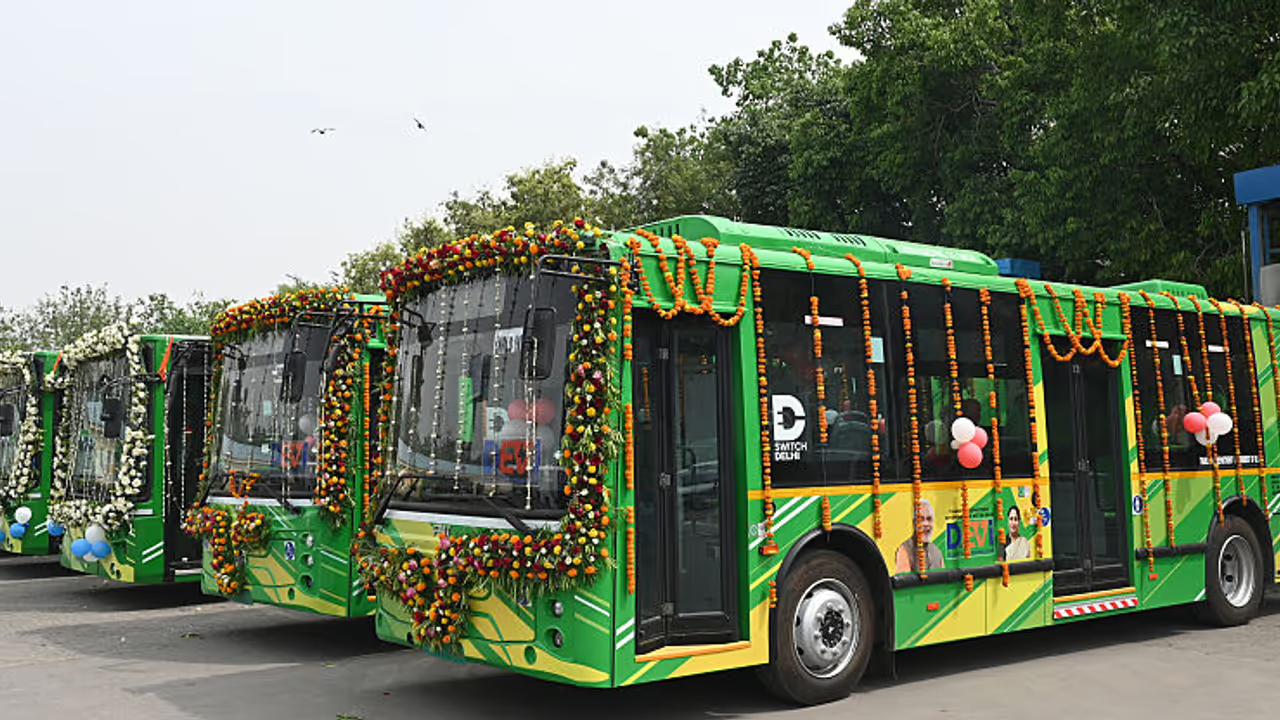
Chief Minister Rekha Gupta said the combined investments in electric buses, Metro expansion, road infrastructure and EV charging facilities will help build a cleaner, better-connected and future-ready capital.
Delhi is set for a major transport and infrastructure transformation after the Centre approved a ₹2,403 crore infrastructure package. The funding will support the induction of 2,800 new electric buses, expansion of the Metro network, construction of the Barapullah Elevated Corridor, and large-scale development of EV charging infrastructure under the Delhi EV Policy 2026.
2,800 New Electric Buses to Hit Delhi Roads
The Delhi government has announced that nearly 2,800 electric buses will soon join the capital's public transport fleet. The move is aimed at improving last-mile connectivity, reducing vehicular pollution and offering cleaner, more sustainable public transport to commuters.
₹2,403 Crore Sanctioned for Major Infrastructure Projects
According to the Chief Minister's Office, the Centre has approved ₹2,403 crore for multiple infrastructure projects in Delhi. The package includes funding for Metro expansion, the Barapullah Elevated Corridor, EV infrastructure and 28 major development projects designed to improve connectivity and urban mobility across the capital.
Related Articles

Delhi EV Policy 2026 to Accelerate Clean Mobility
The infrastructure push complements the Delhi EV Policy 2026, which came into effect on July 1, 2026 and will remain in force until March 31, 2030. The policy seeks to increase EV adoption through financial incentives, tax exemptions and a phased transition towards zero-emission mobility.
Tax Benefits, Incentives and Scrappage Support
Under the new policy, eligible electric vehicles receive 100% exemption from road tax and registration fees. Buyers can also avail incentives of up to ₹30,000 for electric two-wheelers, ₹50,000 for electric three-wheelers, and ₹1 lakh for eligible electric goods vehicles. Additional scrappage incentives are available for replacing older polluting vehicles with EVs. All eligible benefits will be transferred directly to beneficiaries through the Direct Benefit Transfer (DBT) system.
30,000 Charging Points Planned Across Delhi
To support the growing EV ecosystem, the government plans to install more than 30,000 public charging points across Delhi. Officials said expanding charging infrastructure is key to boosting consumer confidence and making electric mobility more convenient for residents.
Towards a Cleaner and Smarter Delhi
Chief Minister Rekha Gupta said the combined investments in electric buses, Metro expansion, road infrastructure and EV charging facilities will help build a cleaner, better-connected and future-ready capital. The projects are expected to significantly reduce pollution while improving public transport and urban mobility over the coming years.