
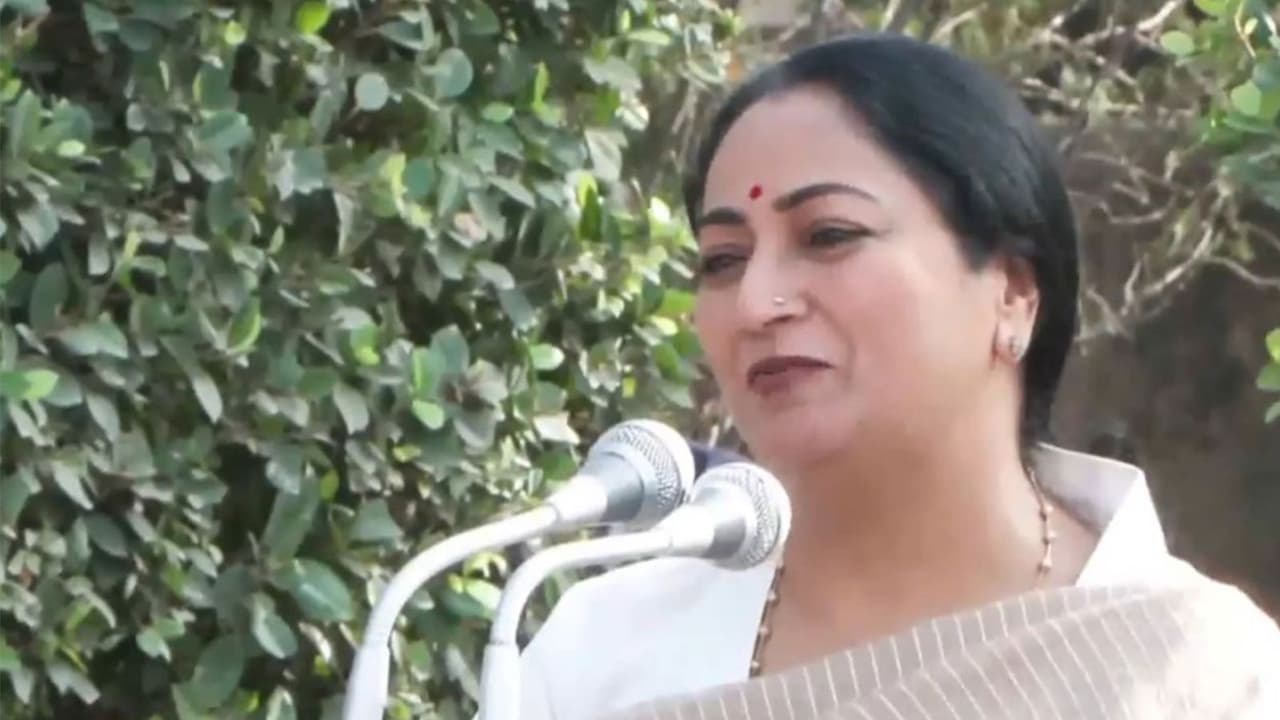
Delhi CM Rekha Gupta unveiled a plantation campaign portal and notified the city’s new EV policy offering subsidies, tax waivers, and a roadmap to gradually phase out petrol two and three-wheelers.
Delhi Chief Minister Rekha Gupta on Thursday launched the Green Drive portal under the ‘Ek Ped Maa Ke Naam’ campaign at the Delhi Secretariat. The initiative aims to advance the mission of planting 70 lakh saplings across the capital.
According to the Chief Minister’s Office, the campaign seeks to encourage citizens to participate in making Delhi greener, cleaner, and healthier. Gupta appealed to residents to join the plantation drive and contribute to the city’s environment.
‘Vriksh Rath’ To Deliver Plants And Expert Help
Under the ‘Vriksh Rath’ initiative, expert teams from the Forest Department will assist households, institutions, and colonies in planting saplings. The teams will provide plants, equipment, and technical support to ensure proper plantation.
The campaign was originally launched nationwide by Prime Minister Narendra Modi in 2024 to promote tree planting and environmental sustainability.
Meanwhile, Gupta also notified Delhi’s new Electric Vehicle (EV) Policy 2026 on Wednesday, aimed at boosting green mobility and reducing pollution.
EV Policy Offers Subsidies And Tax Waivers
The new policy provides direct financial support across vehicle categories. Road tax and registration fees have been waived for EVs priced below ₹30 lakh.
Gupta explained in a video message that buyers of electric two-wheelers will receive a subsidy of ₹30,000, while three-wheelers will get ₹50,000. For N1 vehicles, commonly referred to as ‘chhota haathi,’ the subsidy has been set at ₹1 lakh.
The Chief Minister clarified that existing petrol vehicles will not face immediate restrictions. However, she outlined a phased plan to stop new registrations: petrol three-wheelers from January 2027 and petrol two-wheelers from April 2028.
Gupta emphasized that owners of current petrol vehicles can continue using them until their validity expires.
Policy Duration And Implementation
The Delhi government approved the EV Policy 2026 earlier this week, and it came into effect on July 1. The policy will remain valid until March 31, 2030.
Officials said the measures are designed to accelerate the adoption of electric vehicles, reduce dependence on fossil fuels, and improve air quality in the capital.
