Parenting: 6 Parent behaviors that leave a lasting impact on children
Parenting shapes a child's emotional and behavioral development in profound ways, with everyday interactions leaving lasting effects
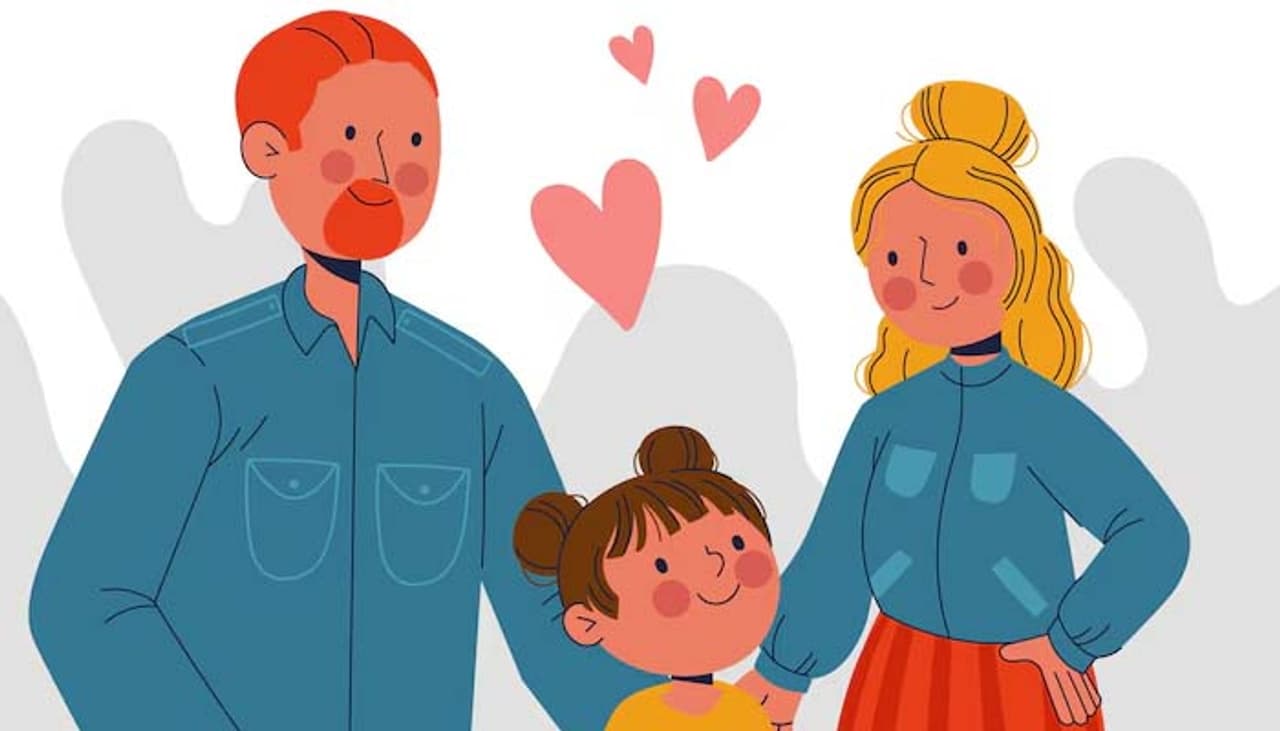
6 Parent behaviors that leave a lasting impact
Parenting is one of the most influential forces in shaping a child’s development, behavior, and future outlook on life. The way parents interact with their children plays a crucial role in their emotional well-being, confidence, and ability to navigate challenges. While every parenting style differs, certain behaviors have a profound and lasting effect on a child's growth. Here are six key behaviors that shape children’s lives in meaningful ways.


1. Practicing Positive Reinforcement
Encouraging children with praise and appreciation fosters confidence and self-esteem. Parents who acknowledge their child's efforts rather than focusing solely on results help build resilience and motivation. Whether it’s celebrating small achievements or reinforcing good habits, positive reinforcement nurtures a growth mindset.
2. Leading by Example
Children learn more from what parents do than what they say. Demonstrating kindness, patience, responsibility, and respect teaches them valuable life skills. When parents embody traits like honesty and empathy, children naturally adopt similar values, shaping their moral and ethical development.
3. Encouraging Open Communication
Creating a space where children feel comfortable expressing their thoughts and emotions strengthens the parent-child bond. Parents who actively listen, validate feelings, and offer guidance foster emotional intelligence and trust. An open dialogue ensures children feel heard and supported in their experiences.
4. Teaching Emotional Regulation
Children look to parents to understand how to manage stress, frustration, and disappointment. Teaching techniques like mindfulness, self-reflection, and constructive problem-solving helps children handle emotions effectively. Parents who model self-control and emotional resilience equip their children with skills for healthy interpersonal relationships.
5. Establishing Consistent Boundaries
Providing structure and setting reasonable expectations help children feel secure and understand the importance of discipline. Parents who balance guidance with warmth create an environment where children learn responsibility without fear. Clear boundaries teach respect, accountability, and the ability to make sound decisions.
6. Offering Unconditional Love and Support
Children thrive in an environment where they feel loved and accepted for who they are. Parents who show unwavering support—regardless of success or failure—build strong emotional foundations. Knowing they are valued encourages children to explore their passions and develop a confident self-identity.
Explore the latest Lifestyle News covering fashion, wellness, travel, Food and Recipes, and more. Stay updated with trending Health News, fitness tips, and expert insights to inspire your daily living. Discover personalized lifestyle trends that keep you stylish and informed. Download the Asianet News Official App from the Android Play Store and iPhone App Store for everything that adds value to your everyday life.