Gardening Tips: Want to Grow Orange Tree at Home? 5 Things to Keep in Mind
Want to grow an orange tree in your backyard? Follow these 5 essential tricks, including choosing the right spot and soil, smart watering, regular fertilising, pest protection, and more.
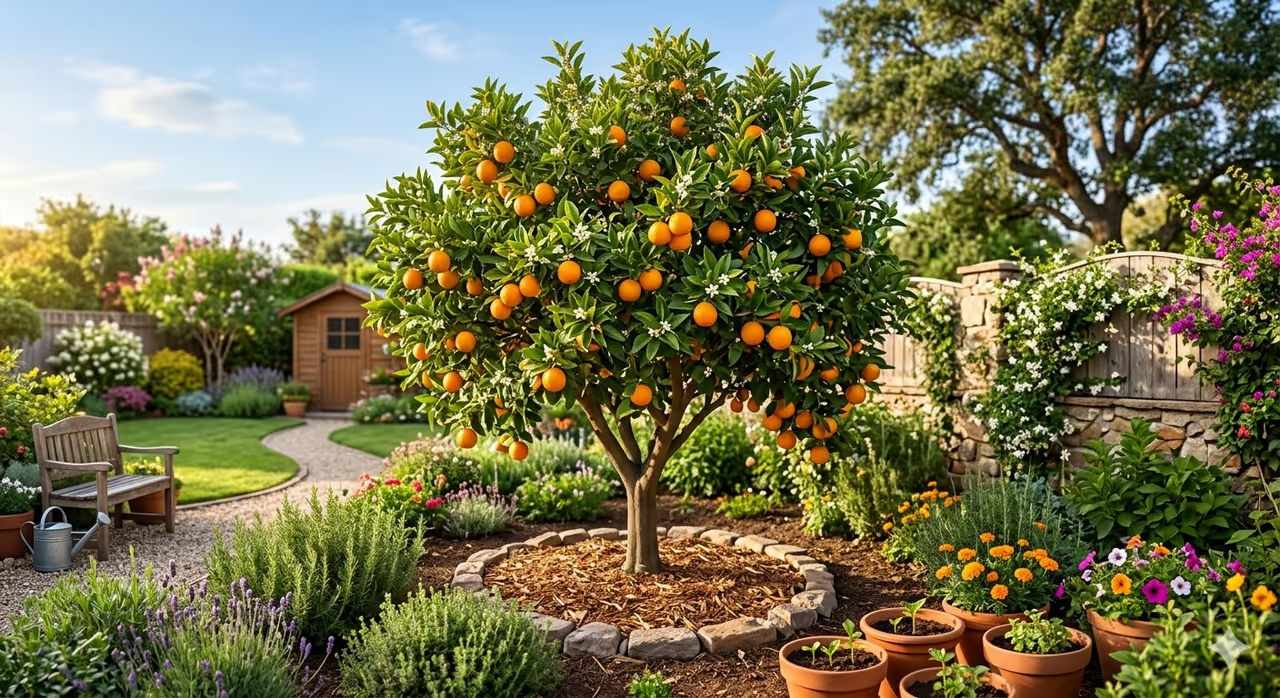
Of an Orangy backyard!
Orange trees can bring a touch of the tropics and a bounty of fresh fruit right to your backyard. Cultivating these fragrant citrus trees, however, requires more than just planting a seed. Mastering a few essential gardening tricks can ensure a thriving tree and a plentiful harvest for years to come.
Many aspiring gardeners dream of plucking sun-ripened oranges from their own trees. Achieving this goal hinges on understanding and providing the specific needs of these popular fruit-bearers. With the right care, even beginners can enjoy successful orange tree cultivation.


Pick the Perfect Spot and Prepare Your Soil
One of the most crucial steps in growing a healthy orange tree is selecting an ideal location. Orange trees flourish in areas receiving ample sunlight, ideally 6-8 hours of direct sun daily. The soil must be well-draining, as these trees are susceptible to root rot if their "feet stay wet." Aim for a soil pH between 5.0 and 6.5, which typically includes a rich loam mix of sand, silt, and clay. Avoiding heavy clay or organic potting mixes that retain excessive water is also recommended.
Water Wisely and Fertilise Regularly
Consistent watering is vital for orange trees, particularly during their initial growth stages. Newly planted trees may need water up to twice a week to keep the surrounding soil moist. As the tree matures, it generally requires about 1.5 inches of water weekly, adjusting for rainfall. However, overwatering can be detrimental, so ensure the soil dries out slightly between waterings. Beyond water, orange trees are hungry feeders and benefit significantly from regular fertilization. High-nitrogen fertilizers are especially important in the tree's first year, with a balanced fertilizer containing phosphorous, potassium, and micronutrients essential for mature trees.
Safeguard Against Pests and Adapt to Climate
Like all fruit-bearing plants, orange trees are vulnerable to pests such as aphids, borers, and spider mites. Early detection and appropriate natural or organic deterrents are key to managing these issues and protecting your potential harvest. Furthermore, orange trees are sensitive to cold and frost, thriving in warm, subtropical, and tropical regions. Gardeners in colder climates may need to consider varieties that can be moved indoors during winter or provide frost protection to ensure their trees survive and produce fruit.
Pruning and Harvesting for Best Results
Regular pruning in spring or summer helps shape the plants and promotes healthy growth. When it comes to harvesting, oranges should be picked once they are richly colored and fully ripe. Fruit production typically begins 6-8 months after flowering, and testing one fruit for ripeness before picking can guide the process. These practices contribute to a robust tree and a more abundant, higher-quality yield.
That's all!
By following these fundamental tricks, backyard gardeners can significantly increase their chances of successfully cultivating orange trees and enjoying the sweet rewards of homegrown citrus.
Explore the latest Lifestyle News covering fashion, wellness, travel, Food and Recipes, and more. Stay updated with trending Health News, fitness tips, and expert insights to inspire your daily living. Discover personalized lifestyle trends that keep you stylish and informed. Download the Asianet News Official App from the Android Play Store and iPhone App Store for everything that adds value to your everyday life.