- Home
- International
- Science
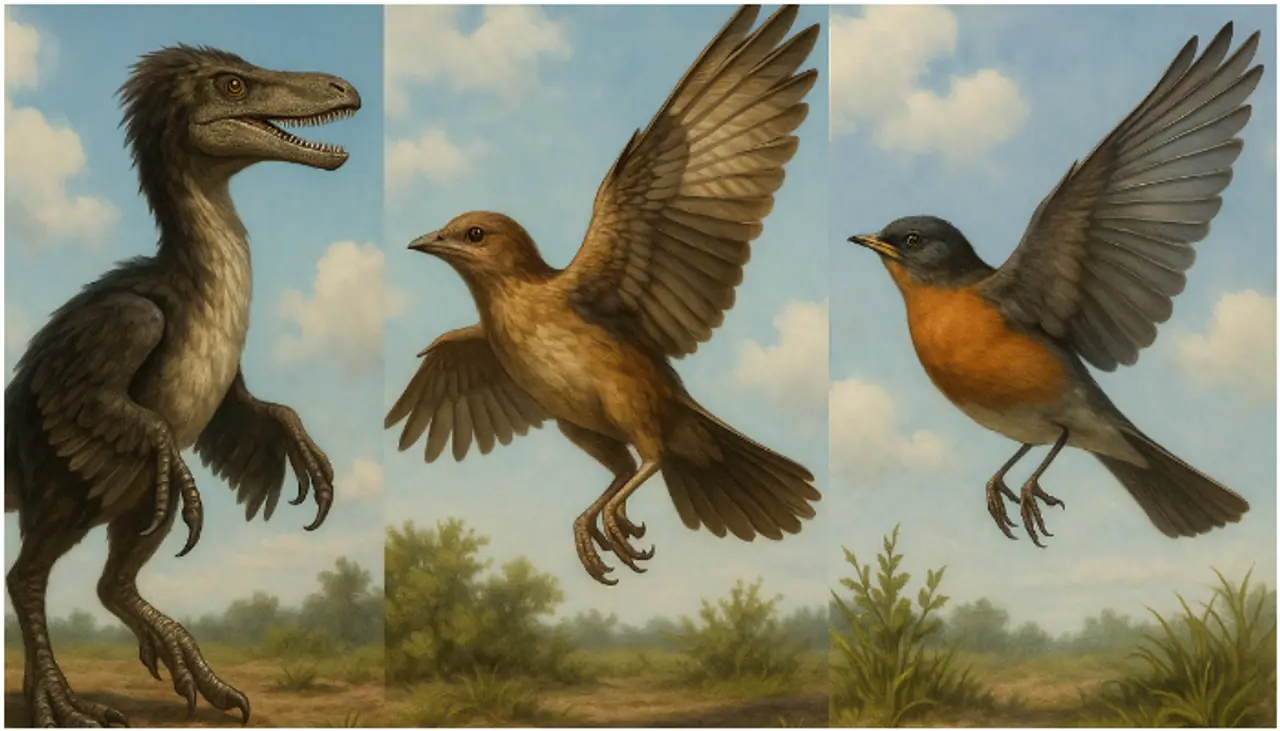
- Did Dinosaurs become birds? Read on to find out what this fossil has to say
Did Dinosaurs become birds? Read on to find out what this fossil has to say
A remarkable fossil at Chicago’s Field Museum is offering scientists fresh insights into ancient life, using advanced technology to unlock long-hidden secrets
Exceptional Fossil Discovery
The Chicago Archaeopteryx, remarkably preserved, reveals soft tissues, feathers, and fine bone details—offering a rare glimpse into dinosaur anatomy.
Cutting-Edge Technology Used
Researchers used CT scanning and UV light to uncover hidden features, enabling precise fossil preparation without damaging delicate structures.


Skull Structure Insights
The skull shows traits shared with modern birds, including hints of cranial kinesis—a trait allowing birds to move their upper beak independently.
Evidence of Movement
Soft tissue in feet and hands suggests ground foraging ability and tree-climbing potential, reshaping our understanding of Archaeopteryx behavior.
Flight Capabilities Unveiled
Long tertial feathers and wing structure confirm that Archaeopteryx could fly, unlike earlier feathered dinosaurs lacking these features.
Evolutionary Significance
This find strengthens the theory that flight evolved more than once in dinosaurs and helps explain how birds diversified into over 11,000 species today.