Why Does Rain Make the Earth Smell So Good? Fascinating Science Behind Explained
Published : Sep 13, 2026, 03:47 PM IST
Ever wondered why wet soil smells so good after rain? The answer lies in petrichor, geosmin and tiny chemical processes released when raindrops hit the ground. Discover the fascinating science behind the scent.
14
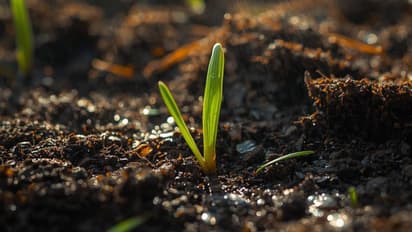
Why do we love the smell of rain?
That earthy smell after a downpour connects with so many of us. It often brings back childhood memories or reminds us of village life. But why do we love this scent so much? Let's uncover the fascinating science behind it.
Also read: Crores at Box Office on Small Budget? 5 Devotional Films That Turned Faith Into Blockbuster Success
Explore the latest Lifestyle NewsFood and RecipesHealth NewsAsianet News Official App
Read more
Read more Photos on