
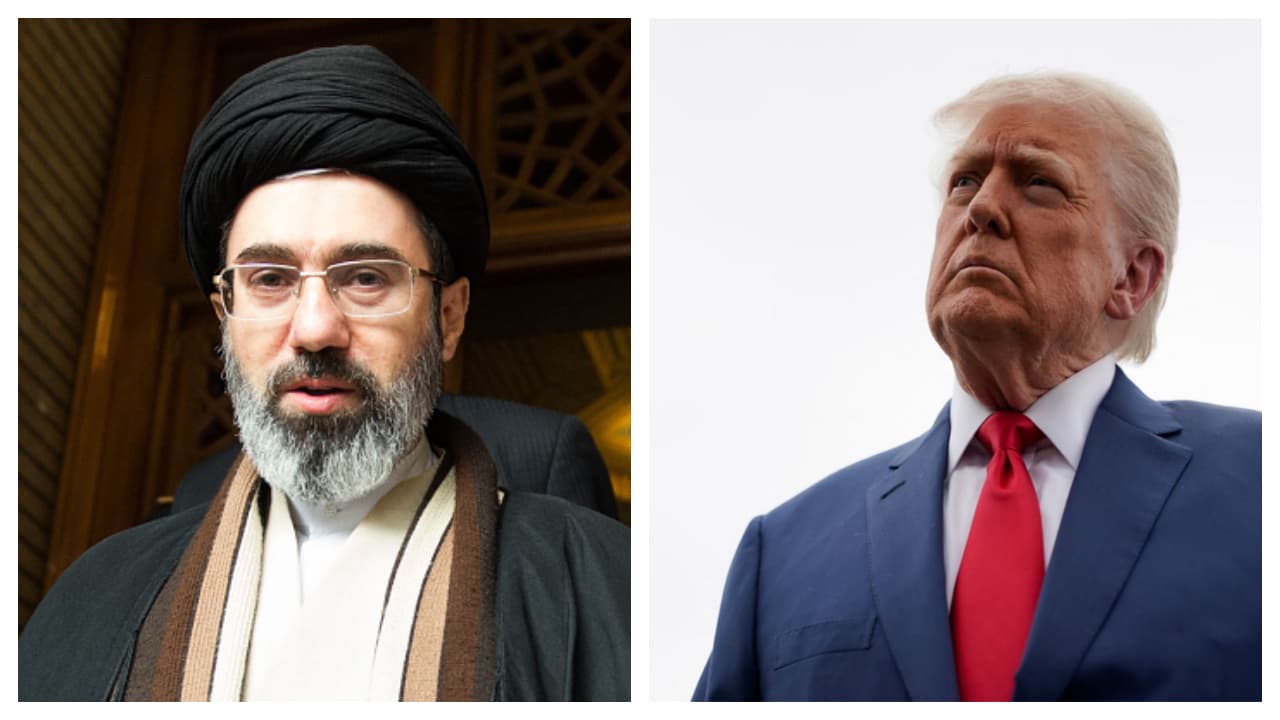
US President Donald Trump has paused planned military strikes on Iran for five days, citing “productive” talks and emerging agreements. This move signals a potential de-escalation, causing oil prices to drop and equities to rise. However, Iran has denied any direct negotiations, creating uncertainty.
Trump Pauses Strikes Amid ‘Productive’ Talks
US President Donald Trump has announced a temporary halt to planned military strikes on Iran’s energy infrastructure, signalling a possible shift towards diplomacy after weeks of escalating conflict.
According to a news agency report, Trump said there were “major points of agreement” emerging from recent discussions and described the engagement as “very good and productive conversations.”
The pause, set for five days, comes after earlier threats of military escalation, including a 48-hour ultimatum linked to the reopening of the Strait of Hormuz. The decision has raised hopes of de-escalation in a conflict that has already claimed over 2,000 lives since late February.
Iran Denies Direct Talks
Despite Trump’s optimism, Iran has pushed back strongly against claims of direct negotiations. Iranian officials have denied both direct and indirect talks with Washington, creating uncertainty over the true state of diplomacy.
However, an Axios report suggests that backchannel communication may be taking place through intermediaries, with countries such as Pakistan, Turkey, and Egypt playing a role in facilitating dialogue.
Trump, while not naming the Iranian counterparts, maintained that both sides are interested in reaching a deal to end hostilities.
Also Read: Iran's IRGC launches 'Operation True Promise 4' on Israel, US bases
Islamabad Emerges as Potential Meeting Point
Amid these developments, Islamabad is being considered as a possible venue for direct talks between US and Iranian officials. Diplomatic sources indicate that high-level representatives, including US envoys, could participate if negotiations progress.
Regional players are increasingly stepping in to mediate, reflecting the global urgency to prevent further escalation in West Asia.
Markets React to De-escalation Signals
Global financial markets responded sharply to Trump’s announcement. Oil prices dropped significantly, while equities surged as investors reacted to signs of reduced geopolitical risk.
The US dollar weakened, and major indices rebounded, reflecting optimism that a diplomatic breakthrough could stabilise the region and global energy supply chains.
Uncertainty Still Looms
Despite the pause in strikes, the situation remains fluid. Questions persist over who holds decision-making authority in Iran and whether the reported talks can translate into a concrete agreement.
While Trump has expressed confidence in a potential deal, Iran’s continued denial underscores the fragile and complex nature of the negotiations.
As diplomatic efforts intensify, the coming days are expected to be crucial in determining whether the conflict moves toward resolution—or escalates once again.
Also Read: On Iran, Trump Executes His Most Spectacular U-Turn Yet
