
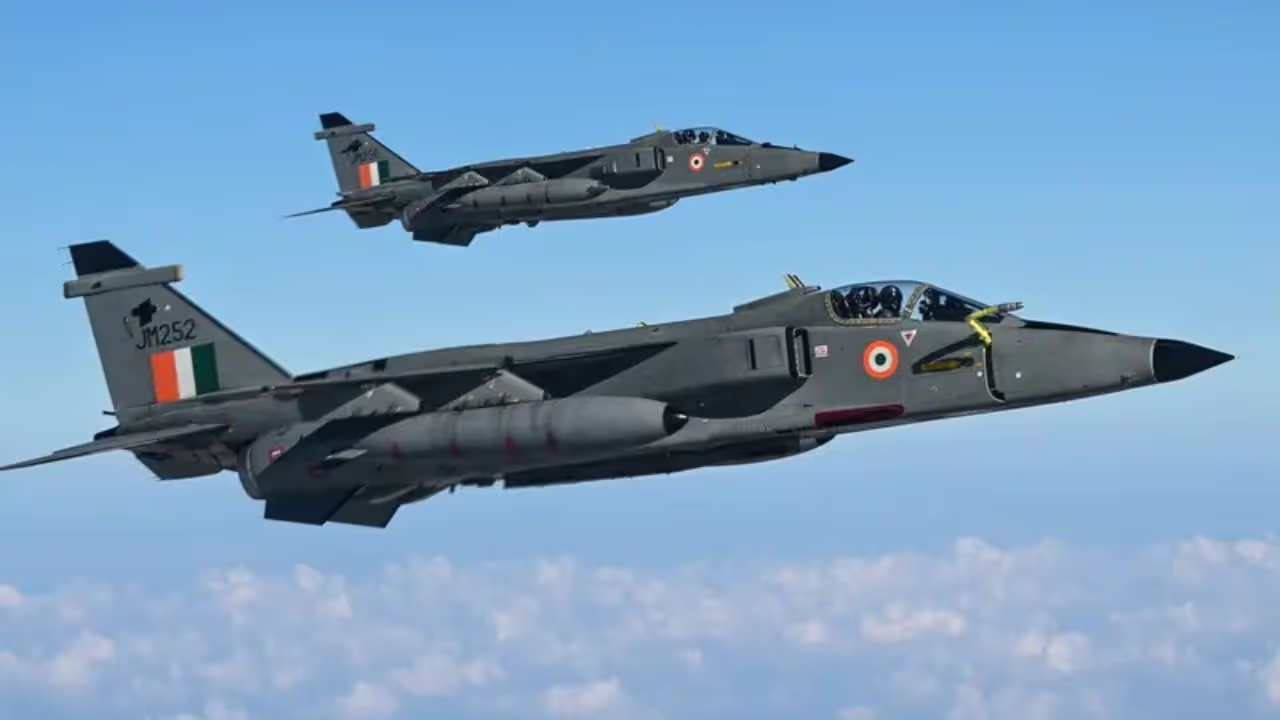
A new security consultation involving key regional partners is drawing global attention as attacks intensify, diplomatic efforts continue and questions grow over how regional alliances may respond.
Saudi Arabia is preparing for urgent military consultations with Turkey and Pakistan after renewed Houthi attacks heightened security concerns and pushed regional tensions higher.
Officials announced that the chiefs of staff from the three countries are expected to meet under the framework of the Mecca Joint Defence Agreement, a security arrangement signed earlier this year. The move comes as Houthi forces continue attacks linked to the broader conflict that has reshaped the Middle East since fighting involving Iran escalated earlier in 2026.
The planned meeting follows a series of missile and drone attacks claimed by the Houthis. Saudi authorities reported intercepting multiple ballistic missiles, while emergency alerts were issued in several areas, including Mecca, Jeddah and Yanbu.
Saudi Arabia's top religious authority also called on military personnel to remain prepared to defend the kingdom amid the growing security challenge.
Foreign ministers from Saudi Arabia, Turkey and Pakistan met to discuss the situation and reaffirmed support for Saudi Arabia's right to defend itself. They also condemned attacks targeting civilian locations and critical infrastructure.
According to an official Saudi statement, the upcoming military discussions will focus on possible support mechanisms under the defence agreement, which includes provisions treating an attack on one member as an attack on all parties.
The announcement marks a significant development in regional security cooperation at a time when Middle East tensions remain elevated.
Diplomatic Activity Continues Alongside Military Preparations
The security consultations come as diplomatic efforts continue on several fronts.
Iranian President Masoud Pezeshkian sought to distance Tehran from direct responsibility for Houthi actions, saying the group was responsible for its own decisions.
His comments followed a series of diplomatic engagements surrounding the United Nations General Assembly in New York, where regional issues remained a major focus.
Meanwhile, Turkey confirmed that its military chief would travel to Saudi Arabia for discussions with Saudi and Pakistani counterparts.
Ankara has previously indicated a willingness to assist Saudi Arabia with certain defence requirements, particularly in technical areas. However, Turkish officials have also noted that aspects of the broader defence arrangement still require further formal processes.
The developments highlight how security alliances are becoming increasingly important as regional conflicts overlap and expand.
At the same time, efforts to reduce tensions between the United States and Iran continue through indirect diplomatic channels.
Qatar has remained involved in mediation efforts as discussions continue regarding potential arrangements that could reduce hostilities.
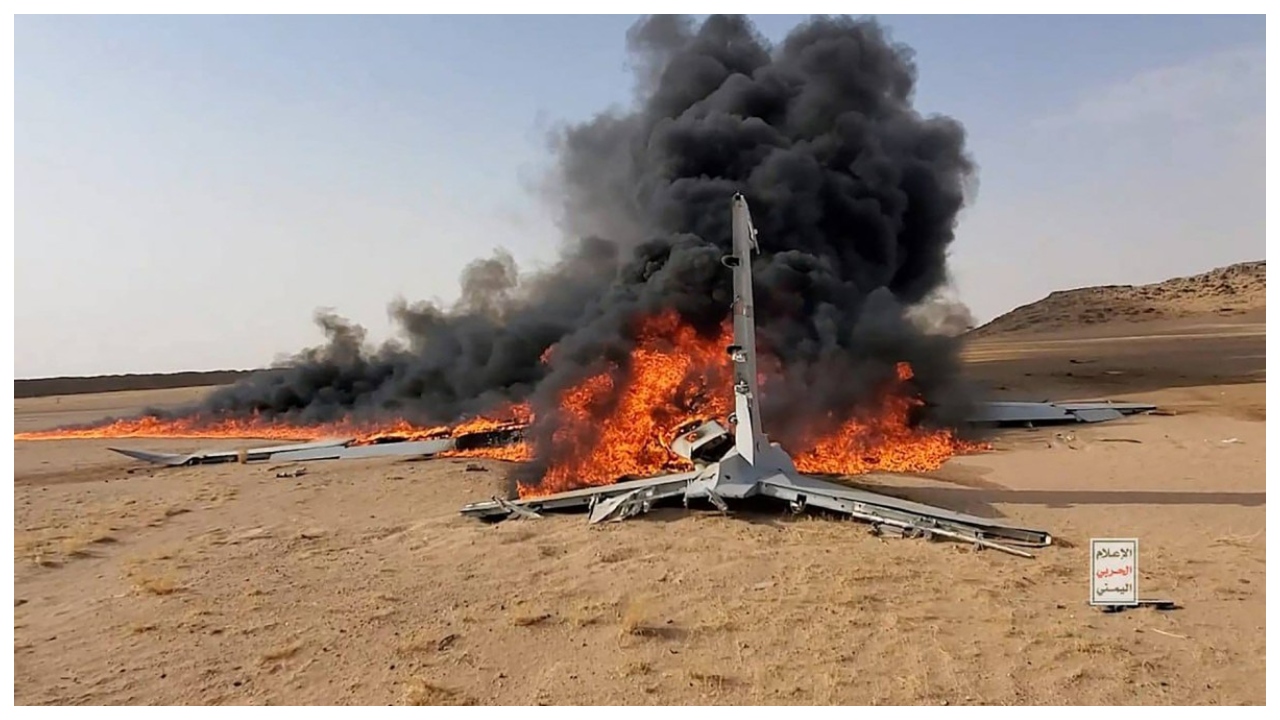
Strait Of Hormuz And Energy Markets Remain In Focus
Alongside military and diplomatic developments, attention remains fixed on the Strait of Hormuz and regional energy supplies.
Iranian officials have discussed proposals linked to reopening the strategic waterway under certain conditions. The strait remains one of the world's most important maritime routes for energy shipments, making developments there closely watched by governments and markets alike.
Oil prices declined as investors evaluated the possibility of de-escalation efforts, though concerns remain about disruptions to shipping activity.
The broader conflict has already affected regional trade flows and energy transportation.
Security issues in the Red Sea and around the Strait of Hormuz have increased uncertainty for shipping operators and energy exporters.
Additional economic pressure has also emerged through new sanctions measures targeting commercial activities connected to Iran.
These restrictions have begun affecting transportation links and business operations in the region.
While diplomatic contacts continue, military planners across the region are now preparing for a range of possible scenarios.
The planned meeting involving Saudi, Turkish and Pakistani military leaders reflects growing concern about the evolving security environment and the need for closer coordination among regional partners.
As the conflict develops, both diplomatic negotiations and defence cooperation are expected to play central roles in shaping the next phase of events.
