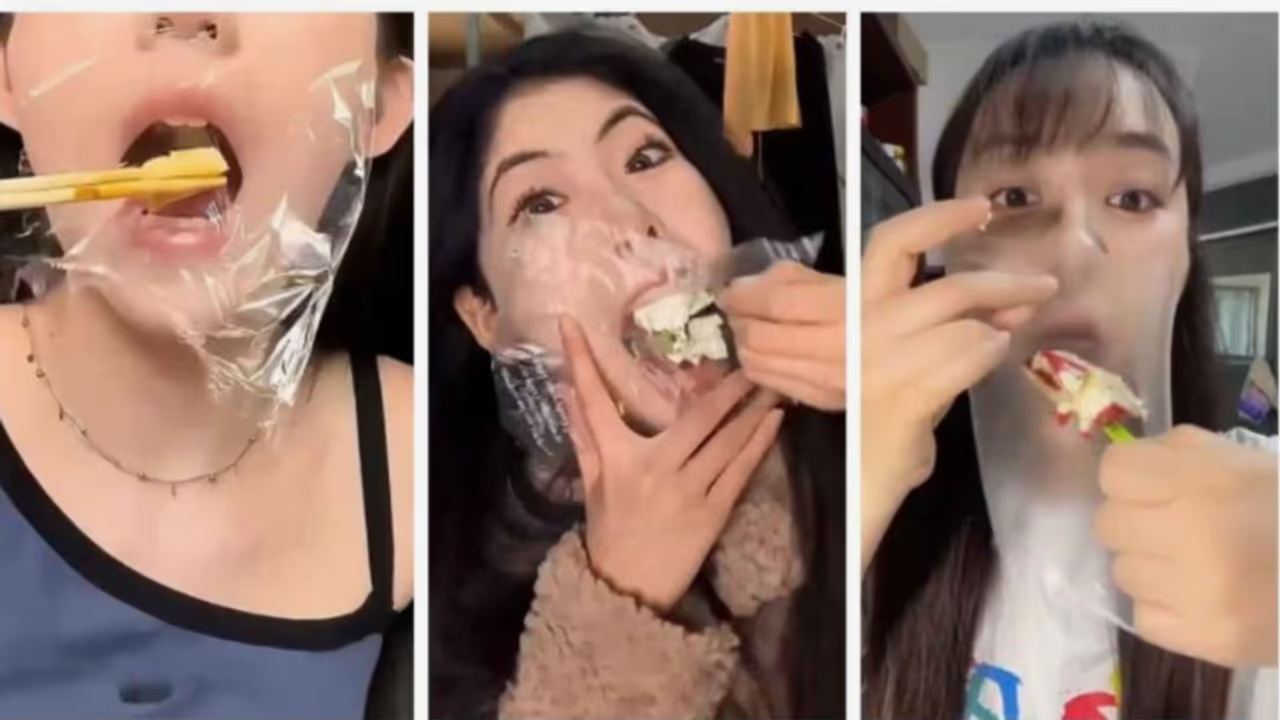
Plastic in the mouth. Food on the tongue. Calories left untouched. This bizarre “plastic eating” diet is sweeping platforms like TikTok, Douyin and X, wherein people are wrapping their mouth with plastic and then chewing their food.
Plastic in the mouth. Food on the tongue. Calories left untouched. This bizarre “plastic eating” diet is sweeping platforms like TikTok, Douyin and X, wherein people are wrapping their mouth with plastic and then chewing their food.
It is being seen as a way to trick the body into feeling full without actually consuming food.
Millions are watching, filming and attempting it. But beneath the viral glare lies a practice that is troubling.
Related Articles

What Is the Plastic-Eating or Cling Wrap Diet?
People cover their mouths with plastic wrap. Food is placed inside, chewed thoroughly, and then spat out instead of swallowed. The theory behind it is that chewing triggers the brain’s satiety signals, creating a false sense of fullness without actual calorie intake.
Supporters claim it helps curb cravings and avoid weight gain basically feeling satisfied without eating.
However, there is no scientific evidence proving that this method delivers safe or sustainable weight loss.
Health Experts Raise Red Flags
While the trend is framed as a calorie-cutting shortcut, medical experts are deeply concerned about the physical risks involved.
Using plastic in this way exposes the body to microplastics — tiny particles that can enter the digestive system. These particles may irritate the stomach and intestines, potentially causing bloating, nausea, or discomfort.
There are also fears about inhaling microscopic plastic fragments, which could trigger coughing or other respiratory issues.
Plastics often contain chemicals such as BPA, substances known to interfere with hormones and metabolism. Prolonged exposure may increase inflammation and affect vital organs like the liver and lungs.
The Mental Health Warning
Chewing food only to spit it out can reinforce unhealthy thought patterns around eating. It risks intensifying anxiety about body image and calories, potentially disrupting mental well-being.
Such behaviour may increase vulnerability to eating disorders, including bulimia.
Experts warn that normalising extreme eating behaviours online can blur the line between trend and disorder.
Does It Actually Work?
There is no credible evidence that chewing and discarding food leads to lasting weight loss.
In fact, skipping proper nutrition may backfire. Hunger can rebound more aggressively later, increasing the risk of overeating. Quick-fix solutions often thrive online, but they rarely deliver real results.
Sustainable weight management depends on balanced meals, consistent habits and realistic lifestyle changes — not theatrical shortcuts.