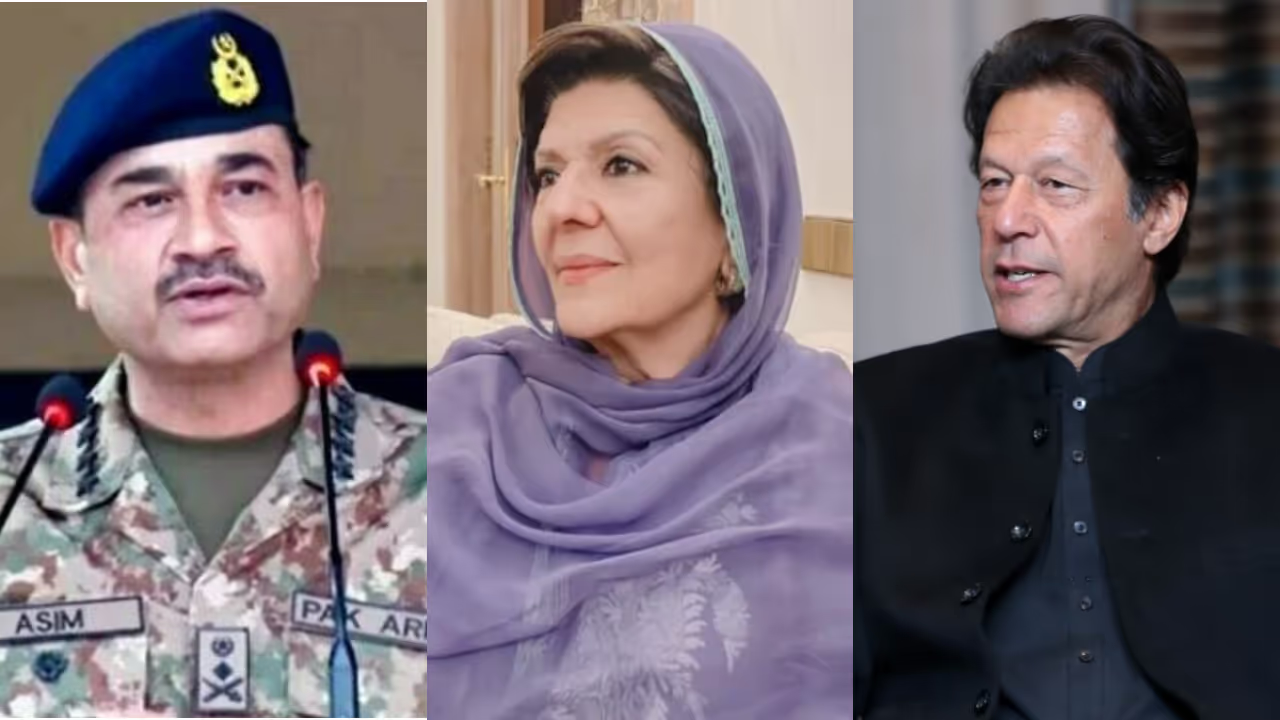
Imran Khan’s sisters allege senior Pakistani officials, including the Army Chief, are plotting to harm him in jail. They claim his health is worsening and demand access to his doctors and a hospital transfer.
Imprisoned former Pakistani Prime Minister Imran Khan is at the centre of a new political storm, with his sisters publicly accusing senior state officials of plotting to harm or even kill him while he is in custody.
During a press conference in Islamabad, Dr Uzma Khan and Aleema Khan directly named Interior Minister Mohsin Naqvi and Army Chief Field Marshal Asim Munir as being part of a “lethal conspiracy” against their brother, alleging threats from Naqvi and a systematic campaign to end Khan’s life in jail.
The dramatic accusations come amid growing concern over Khan’s deteriorating health while he remains held in Adiala Jail, Rawalpindi. According to the sisters, Khan has informed them that government figures are intent on causing him serious harm.
Related Articles

“These people will kill me; they have made a plan to kill me,” Uzma stated, highlighting the severity and urgency of their claims. The sisters also complained of denial of access to trusted personal doctors, insisting that government-appointed medical teams cannot be trusted to accurately report on Khan’s condition.
Khan himself has reportedly been facing vision problems and other health challenges, intensifying fears among his supporters and family that his wellbeing is under threat. The sisters reiterated their demands that he be transferred from jail to a hospital — ideally to Shifa International Hospital in Islamabad — under the care of his own medical team, where relatives can be present. However, these demands have so far been rejected by authorities, raising further suspicion among Khan’s supporters.
The situation has escalated political tensions in Pakistan, with the allegations drawing international attention and condemnation from parts of the cricket and political world. High-profile figures, including cricket legends such as Wasim Akram and Kapil Dev, have voiced concern over Khan’s health and called for better treatment and transparency. These voices add pressure on the government to respond to claims of mistreatment and ensure Khan’s safety.
Interior Minister Naqvi has attempted to counter the narrative, dismissing rumours about the former premier’s health as “baseless propaganda” and insisting that proper medical care has been provided. He stated that medical examinations were thorough and that Imran received treatment from qualified specialists, while rejecting claims that his office threatened the family or was conspiring against Khan.
Nevertheless, the starkly contrasting statements from the government and Khan’s family reflect a deepening crisis of trust in Pakistan’s political and judicial processes. The former prime minister remains a polarising figure — revered by his supporters and criticised by his opponents — but the current saga is now not just about politics, it’s about life, health and allegations of state-sponsored threat against a high-profile political leader.