
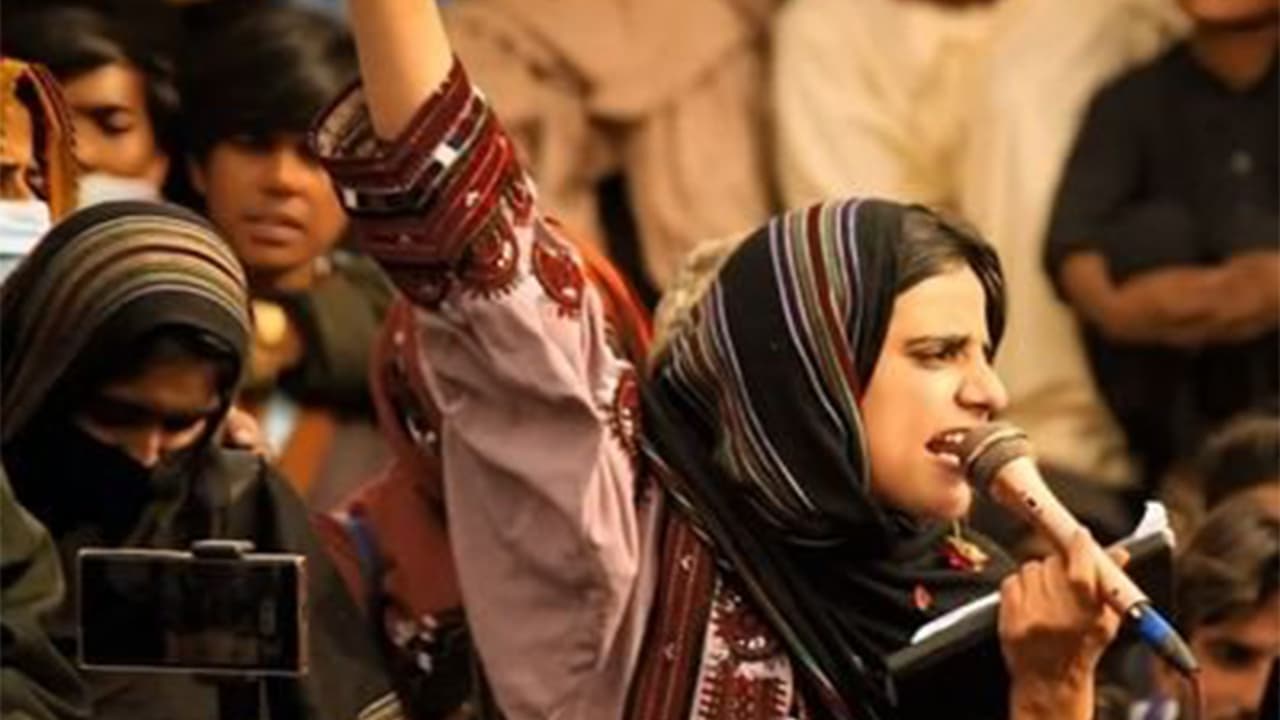
Prominent Baloch rights activists Dr Mahrang Baloch and Sibghatullah Shahji were sentenced to life imprisonment by a Quetta court, triggering widespread condemnation from politicians and human rights advocates for the politically motivated verdict.
The sentencing of prominent Baloch rights activist Dr Mahrang Baloch and Baloch Yakjehti Committee (BYC) leader Sibghatullah Shahji to life imprisonment has triggered widespread condemnation from politicians, journalists, academics, and human rights advocates, as reported by The Balochistan Post.
The Court's Verdict
According to The Balochistan Post, an anti-terrorism court in Quetta convicted the two leaders on charges related to the killing of a Frontier Corps (FC) official during a protest in Gwadar in 2024. Prosecutors alleged that the accused incited demonstrators who later attacked security personnel. However, both leaders rejected the accusations and boycotted the proceedings, arguing that the case was conducted through a secretive jail-based trial that denied them a fair opportunity to defend themselves.
Widespread Condemnation
The verdict has drawn sharp criticism from Balochistan National Party President Sardar Akhtar Mengal, who questioned the legitimacy of a process conducted without the meaningful participation of the accused and their legal representatives. He argued that the decision further erodes public confidence in Pakistan's judicial institutions and highlighted the lack of accountability for decades of alleged enforced disappearances, extrajudicial killings, and other abuses in Balochistan.
Former senator Afrasiab Khattak, NDM Chairman Mohsin Dawar, and several rights advocates described the ruling as a blow to peaceful political engagement. Critics stated that punishing activists who advocate constitutional and nonviolent methods could deepen alienation and strengthen support for more radical alternatives.
Journalist Munizae Jahangir said the verdict reflected a failure to uphold due process, while analyst Muhammad Amir Rana argued that such measures would not address the root causes of unrest in the province, as highlighted by The Balochistan Post.
Journalists, including Abbas Nasir, Kiyya Baloch, and Mubashir Zaidi, denounced the sentences as unjust and politically motivated. Human rights defenders and civil society figures voiced concerns that the ruling seeks to criminalise dissent and silence voices demanding accountability for alleged rights violations, as reported by The Balochistan Post.
(Except for the headline, this story has not been edited by Asianet Newsable English staff and is published from a syndicated feed.)