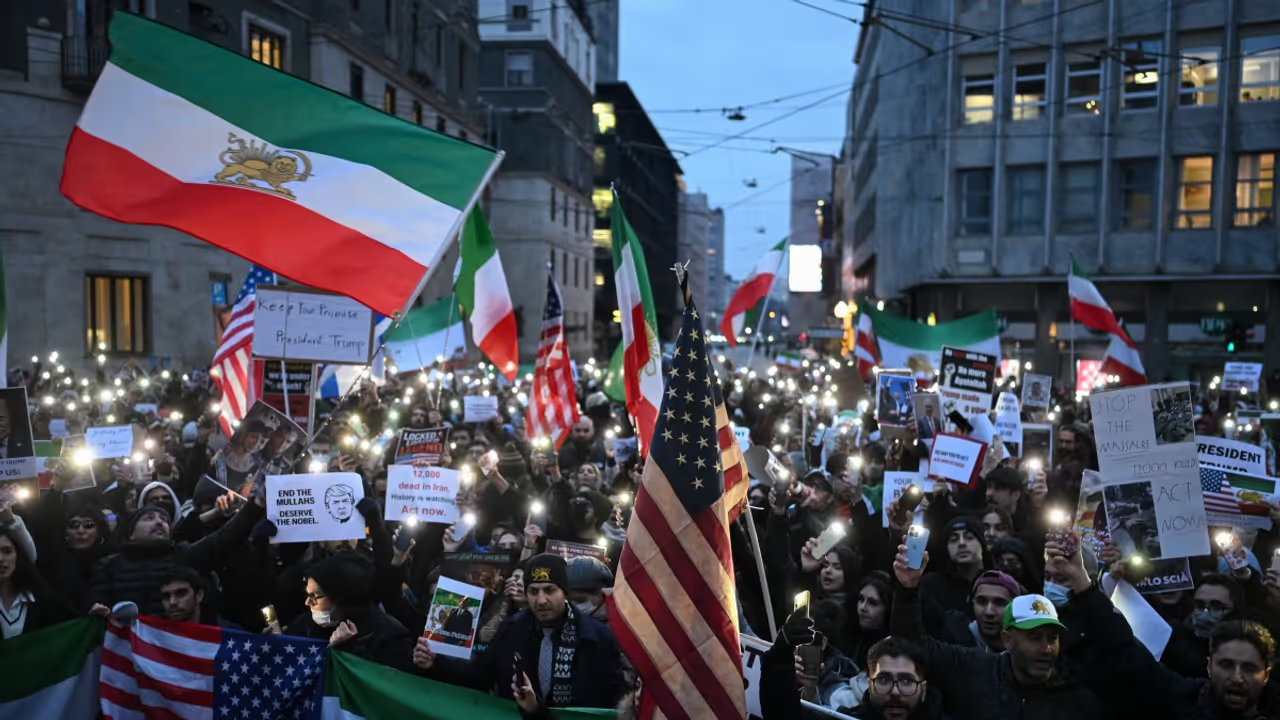
Iran's move to cut internet access during ongoing mass protests, along with Uganda's Tuesday ahead of controversial elections, are the latest examples of how some governments use digital blackouts to muzzle dissent.
Iran's move to cut internet access during ongoing mass protests, along with Uganda's Tuesday ahead of controversial elections, are the latest examples of how some governments use digital blackouts to muzzle dissent.
There were a record 296 deliberate internet shutdowns in 54 countries in 2024, according to the latest data from digital rights group Access Now -- the highest number of shutdowns since they began monitoring in 2016.
Here are some other times that governments have used the internet to crack down on protests, opponents, or to cover up conflicts.
Related Articles

2025: ,Afghanistan
In September 2025, Taliban authorities plunged Afghanistan into a 48-hour internet blackout on the orders of reclusive supreme leader Hibatullah Akhundzada, who said he wanted to prevent "vice" and "moral corruption".
After restoring the internet, authorities restricted access to social media sites, including Facebook, Instagram, and Snapchat.
It was the first time since the Taliban government won their insurgency in 2021 and imposed a strict version of Islamic law that communications had been cut in the country.
2023: ,Sudan
The army and rival paramilitaries in Sudan have regularly used telecommunications blackouts as a weapon of war in the conflict which started in April 2023.
A nationwide blackout in 2024 affected nearly 30 million Sudanese for more than a month, according to aid and human rights groups.
In the western region of Darfur, which has seen some of the worst violence, the internet remains largely cut off even today.
2020: Tigray war
In November 2020, internet and telephone networks were shut down in Tigray in northern Ethiopia, where government forces fought separatists between 2020 and 2022.
The exact cause of the blackout was not established.
The internet connections were gradually reestablished from late 2022, but some disruptions remain.
2019: ,Myanmar
Myanmar imposed a 19-month total internet blackout between June 2019 and February 2021 in its conflict-ridden Rakhine and Chin states.
The internet was reestablished on February 3, 2021, the day after a military coup which overthrew the government of Aung San Suu Kyi.
Myanmar's new military rulers use the same digital weapons, imposing internet blackouts in the country.
Activist group the Myanmar Internet Project (MIP) says there have been nearly 400 regional internet shutdowns since the junta takeover in what it called a "digital coup".
2019: Kashmir
In 2019, India imposed a total internet shutdown in the Kashmir region to avoid an uprising at a time New Delhi was rolling back the disputed territory's constitutional autonomy.
The months-long shutdown throttled communication there as India bolstered its armed forces in the region in an effort to contain protests.
According to the Indian Internet site Shutdowns, the string of internet restrictions lasted 552 days.
2019: Iran
In November 2019, Iran imposed nationwide internet restrictions during violent protests sparked by surprise fuel price hikes.
Even without the shutdown, the internet in Iran is drastically restricted, especially the WhatsApp messaging system and social network Instagram.
Targeted restrictions
Like Iran, other countries sometimes impose targeted restrictions on some sites and services.
In Nepal, a brief government ban on social media in September sparked a wave of youth-led protests, which were suppressed.
Tanzania in May also blocked access to X, over the presence of pornographic content, two weeks after government-linked accounts were hacked.
(Except for the headline, this story has not been edited by Asianet Newsable English staff and is published from a syndicated feed)