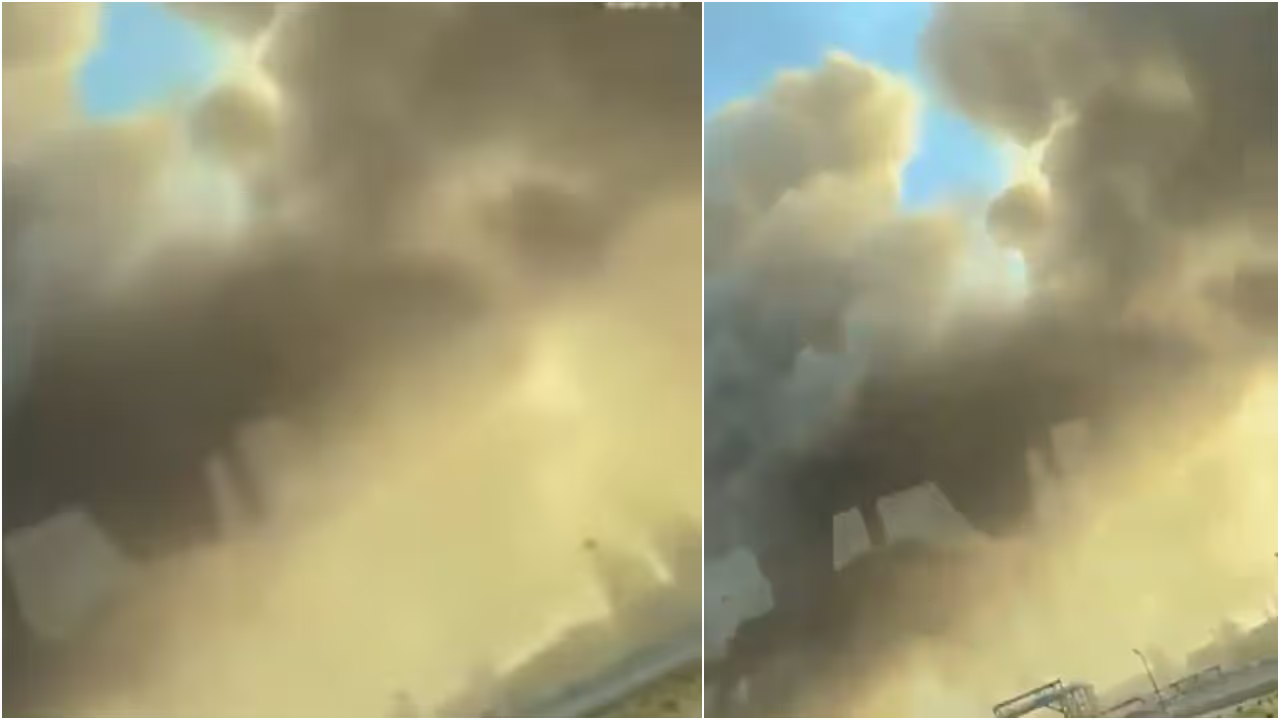
Iran-linked drone strikes have targeted Saudi Arabia’s Ras Tanura oil refinery, a critical global energy hub operated by Saudi Aramco. The facility is one of the world's largest oil refining and export complexes.
A major escalation in Middle East tensions has emerged after Iran-linked drone strikes reportedly targeted Saudi Arabia’s Ras Tanura oil refinery—one of the most critical energy hubs operated by Saudi Aramco. The incident has triggered fresh concerns over global oil supply stability and the vulnerability of key infrastructure in the Gulf.
Initial reports indicate that drones struck the Ras Tanura facility, forcing authorities to assess damage and potentially halt or disrupt operations. While the full extent of the impact remains unclear, even limited disruption at Ras Tanura can have far-reaching consequences for global energy markets, given its scale and strategic importance.
What is Ras Tanura and why it matters
Ras Tanura, located on Saudi Arabia’s eastern coast along the Persian Gulf, is one of the world’s largest oil refining and export complexes. Operated by Saudi Aramco, the facility plays a crucial role in processing crude oil and shipping it to international markets, including Asia, Europe, and the United States.
The complex includes a massive refinery and one of the largest offshore oil loading terminals globally. It handles millions of barrels of crude oil per day, making it a backbone of Saudi Arabia’s energy exports and a key node in global oil supply chains. Any disruption here can influence oil prices worldwide and impact energy-dependent economies.
Related Articles

Also Read: Iran Media Claims US F-15 Downed in Kuwait, Shares Pilot's Picture
Why this attack is significant
The strike underscores a growing trend in modern warfare—targeting energy infrastructure to exert economic pressure. Similar attacks in the past, such as the 2019 drone strikes on Saudi Aramco facilities, temporarily knocked out a significant portion of Saudi oil production and sent global oil prices soaring.
The use of drones highlights the evolving nature of asymmetric warfare. These relatively low-cost, hard-to-detect systems can bypass traditional air defence networks and inflict high-impact damage on critical infrastructure.
Global and regional implications
The attack raises fears of further escalation between Iran and its regional rivals, particularly Saudi Arabia and its allies. It also puts global oil markets on edge, as even the perception of risk in the Gulf can lead to price volatility.
For major oil-importing countries like India, any prolonged disruption could translate into higher fuel costs, inflationary pressure, and supply uncertainty.
The bigger picture
The Ras Tanura strike is not just an isolated incident—it reflects the strategic importance of energy infrastructure in geopolitical conflicts. As tensions rise, such facilities are increasingly becoming high-value targets, with consequences that extend far beyond the region.
Also Read: PM Modi calls for dialogue amid West Asia conflict, expresses concern