
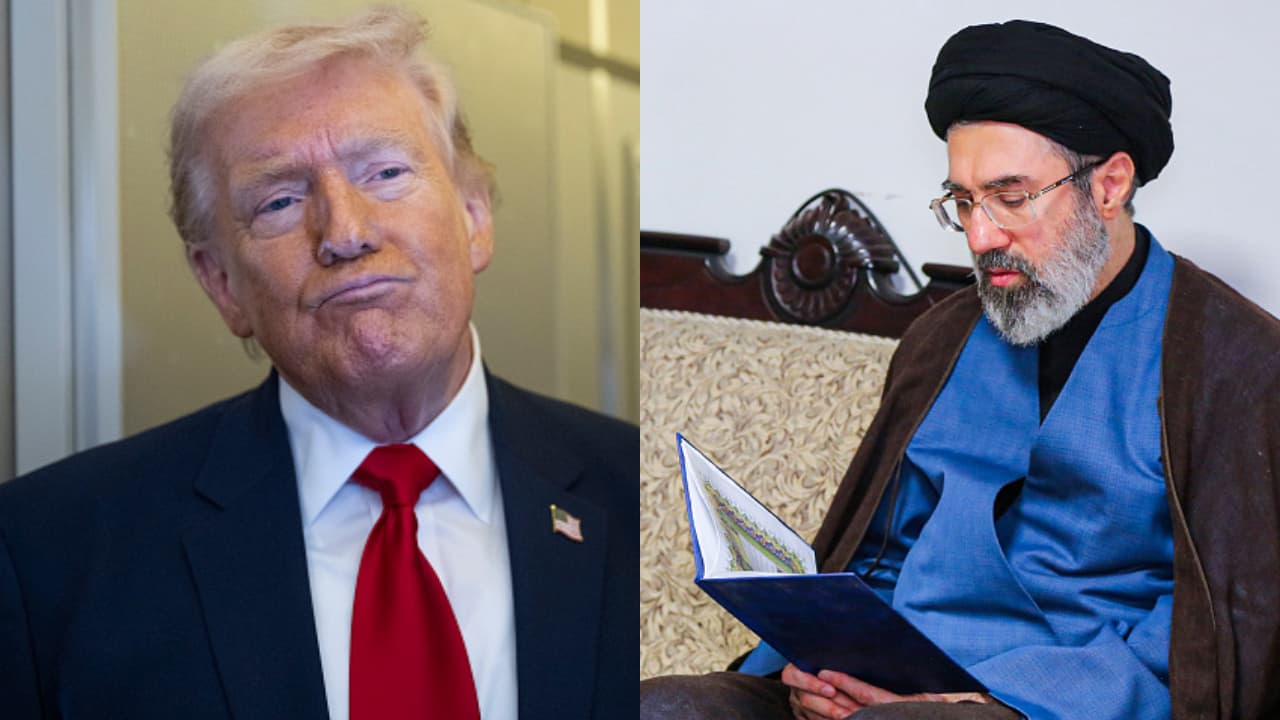
According to reports from Al Arabiya citing Israeli media, Iran's new Supreme Leader, Mojtaba Khamenei, is reportedly willing to negotiate with the United States. This potential diplomatic shift occurs amid an escalating regional war involving Israel and after recent US/Israeli strikes.
Iran’s newly appointed Supreme Leader, Mojtaba Khamenei, has reportedly shown willingness to engage in negotiations with the United States amid the ongoing war involving Israel, according to a report attributed to Al Arabiya and citing Israeli media.
The development marks a significant shift in tone, as Iran continues to face sustained military pressure following US and Israeli strikes that killed top leadership figures, including former Supreme Leader Ayatollah Ali Khamenei.
While Tehran has publicly maintained a defiant stance, backchannel signals suggest a possible diplomatic opening as the conflict escalates across the region.
Al Arabiya Report, Israeli Media Claims
According to Al Arabiya, quoting Israeli media sources, Mojtaba Khamenei has agreed “in principle” to negotiations aimed at reaching an understanding with Washington. However, no official confirmation has been issued by Iranian authorities.
The report suggests that mediation efforts may be underway through regional players, as tensions over the Strait of Hormuz and continued military escalation raise global concerns.
Also Read: US-Iran Talks Gain Momentum, Islamabad Emerges As Key Venue As Trump Pauses Strikes
War Context and Contradictions
Despite these reports, Iran’s official position has remained hardline. In earlier statements, Khamenei vowed continued resistance, emphasizing retaliation and warning of further escalation against US and allied targets.
At the same time, uncertainty surrounds Iran’s leadership structure. Mojtaba Khamenei has largely stayed out of public view since assuming power, raising questions about decision-making authority amid the war.
Parallel reports indicate that negotiations, if any, may be indirect, involving intermediaries rather than direct US-Iran engagement.
Global Stakes
The ongoing conflict has disrupted oil shipments, heightened regional instability, and drawn in multiple actors, increasing fears of a broader Middle East war.
If confirmed, any move toward talks could mark a critical turning point in one of the most volatile geopolitical crises in recent years.
Also Read: Alive But Missing: Mojtaba Khamenei’s Whereabouts Puzzle US, Israel
