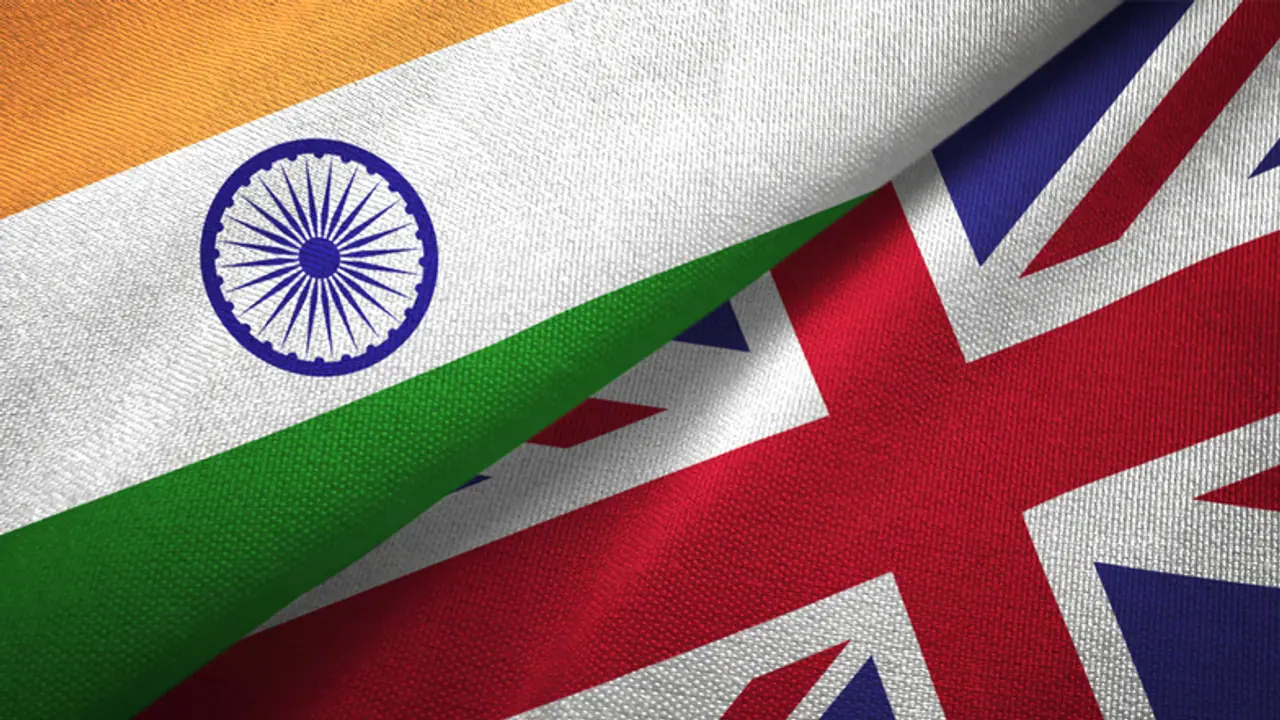
India and the UK have signed a historic Free Trade Agreement, projected to boost bilateral trade by USD 34 billion annually.
India and the United Kingdom on Thursday inked a landmark free trade agreement (FTA) that promises to significantly improve market access and boost bilateral trade by around USD 34 billion annually. The deal was formalised in the presence of Prime Minister Narendra Modi and his British counterpart Keir Starmer, marking a major milestone after three years of tough negotiations.
Officials said the FTA will benefit 99 per cent of Indian exports through sweeping tariff eliminations and will make it easier for British firms to export whisky, cars and other products to India, significantly expanding the overall trade basket.
Related Articles

“It is a deal that will bring huge benefits to both of our countries, boosting wages, raising living standards and putting more money in the pockets of working people. It is good for jobs, it is good for business, putting tariffs and making trade cheaper, quicker and easier,” said UK PM Keir Starmer in a statement.
WATCH: PM Modi's Address With UK PM
Meanwhile, PM Modi stated, “Today marks a historic day in our relations. I am delighted that after the hard work of several years, today our two nations have signed the Comprehensive Economic and Trade Agreement.”
“This Agreement is not just an economic agreement but also the plan for a shared prosperity. On one side, Indian textile, footwear, gems and jewellery, seafood and engineering goods will get better market access in the UK. New opportunities will emerge in the UK market for India's agricultural produce and processed food industry. This agreement will especially benefit Indian youth, farmers, fishermen and MSME sector. On the other hand, for the people of India and industry, products made in UK like medical devices will be available at reasonable and affordable prices,” PM Modi added.
Tariff-Free Access Across Nearly All Sectors
India will gain from the elimination of tariffs on about 99 per cent of tariff lines, covering almost 100 per cent of the trade value. Labour-intensive industries such as textiles, clothing, chemicals, base metals, and marine products will see duties slashed to zero. For processed food, tariffs on 99.7 per cent of items have been brought down from as high as 70 per cent to zero, offering a major boost for exporters.
The UK’s Department for Business and Trade (DBT) estimates that the deal could lift British exports to India by nearly 60 per cent, while India stands to gain access to new high-value markets. The FTA is projected to double bilateral trade to USD 120 billion by 2030.
Agriculture Stands Out as Key Beneficiary
Agriculture and allied sectors are expected to see transformative gains. Indian farmers will now have greater access to the UK market for premium produce like vegetables, fruits, basmati rice, cereals, animal products, beverages, oil seeds, and dairy.
Officials noted that India currently exports USD 36.63 billion in agricultural goods globally, while the UK imports USD 37.52 billion but sources only USD 811 million from India — leaving significant room for growth. The agreement is expected to give Indian farmers parity with EU exporters such as Germany and the Netherlands, who already enjoy zero tariffs.
Industry Leaders Welcome the Deal
Businesses on both sides have hailed the FTA as a game-changer. Rahul Kale, International Director of Vibrant Foods, which imports South Asian foods into the UK, was quoted as saying in a PTI report:
“We are excited about this landmark Free Trade Agreement between (the) UK and India as it will make trade between the two countries easier, boost job creation and encourage innovation. We are particularly looking forward to the sanitary and phytosanitary (SPS) alignment of food safety standards between the two countries, which will lead to reduction of export health certificates and reduce border checks and rejections on agri food products from India.”
Shivalkar Paramanandam, UK-based Director of QDT Analytics, shared a similar sentiment:
“We are very excited because after the UK-India trade deal business dealing will become even easier for us. Before there was a 150 per cent tax (on alcohol imports to India), which will now be reduced and also a lot of documentation will be cut to a very straightforward process for us to do the exports and imports between the UK and India.”
A Strategic Win for Both Nations
Lord Karan Bilimoria, founder of Cobra Beer and co-chair of the India All Party Parliamentary Group (APPG), said:
“I believe this historic agreement will act as a catalyst, turbocharging trade, investment and business partnerships between our two great nations. I am confident that we will see bilateral trade double to over GBP 80 billion within the next five years. Prime Minister Modi’s visit to the UK this week underscores the strength and strategic importance of this partnership. His presence for the signing of this deal is a powerful symbol of the deep trust and mutual respect between our countries. The UK and India are the best of friends, and we have the best of potential. This agreement is not just a milestone — it is a launchpad.”
Manoj Ladwa, chair of India Global Forum, underlined its wider significance:
“Since Brexit, successive UK governments have struggled to articulate a clear, compelling vision for Britain’s role on the world stage. ‘Global Britain’ remains more slogan than strategy. Modi’s visit, and the FTA it underlines, provides a rare opportunity to change that.”