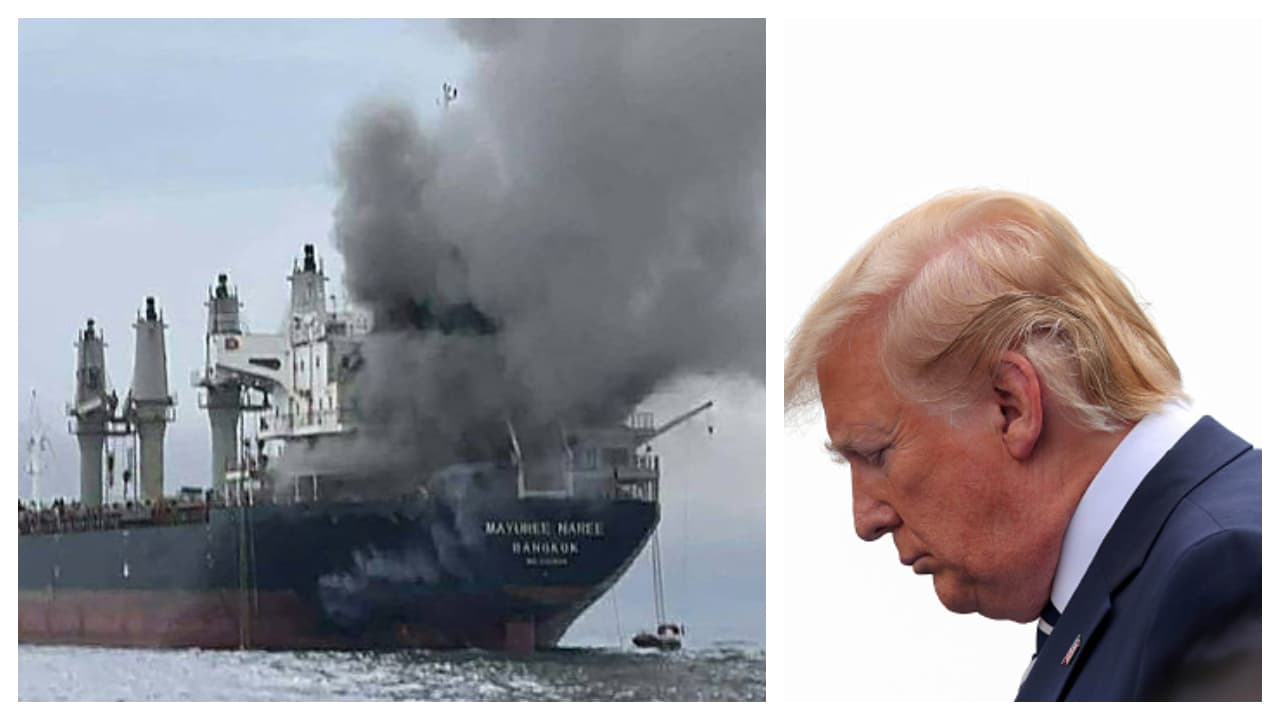
The United States is organizing an international naval coalition to escort commercial vessels through the Strait of Hormuz. This action responds to rising tensions with Iran and threats to global energy supplies. As a critical chokepoint for oil shipments, the strait's security is vital.
The United States is preparing to announce plans for an international naval coalition to escort commercial vessels through the strategically vital Strait of Hormuz, as tensions with Iran continue to intensify and disrupt global energy supplies. The development was first reported by The Wall Street Journal, which said the initiative aims to secure maritime trade routes amid fears of further attacks on oil shipments and cargo vessels.
The Strait of Hormuz, a narrow waterway linking the Persian Gulf to global markets, is one of the world’s most critical energy chokepoints. A significant share of global crude oil and gas shipments passes through the route, making it a focal point of geopolitical tensions. According to reports, the proposed coalition would involve multiple allied nations providing military escorts to ensure the safe passage of tankers and merchant ships.
US President Donald Trump has indicated that Washington is actively seeking participation from several countries. He reportedly said he had contacted “about seven” nations, urging them to contribute naval resources to protect shipping lanes and prevent further disruptions. The push reflects growing concerns that prolonged instability in the region could trigger a broader economic crisis driven by surging energy prices and supply shortages.
Related Articles

The WSJ report also noted that internal discussions within the US administration have focused on the timing and scope of any escort mission. Officials are weighing whether to escalate military involvement or maintain limited operations while working to stabilise the global energy market. Analysts warn that although Iran’s military capabilities have been degraded by ongoing strikes, the country retains the ability to threaten maritime traffic and regional infrastructure.
Treasury Secretary Scott Bessent recently signalled that escort operations could begin “as soon as it is militarily feasible,” potentially in coordination with international partners. However, he cautioned that such a move would depend on improving security conditions in the conflict-affected zone and achieving operational readiness.
The proposed coalition comes as shipping activity in the Strait remains severely constrained. Insurance risks, fears of drone or missile attacks and uncertainty over potential sea mines have forced many commercial operators to delay voyages or reroute vessels. The resulting bottleneck has contributed to rising oil prices and heightened volatility in global markets.
While Washington argues that a multinational escort mission could restore confidence in maritime trade, some allies remain cautious about committing military assets to the volatile region. The situation continues to evolve rapidly, with diplomatic efforts underway to build consensus and prevent further escalation.
As the conflict deepens, the future of one of the world’s most important shipping routes remains uncertain, underscoring the broader economic and security stakes tied to the Strait of Hormuz crisis.
Also Read: Macron urges Iran's Pezeshkian to end attacks across Middle East