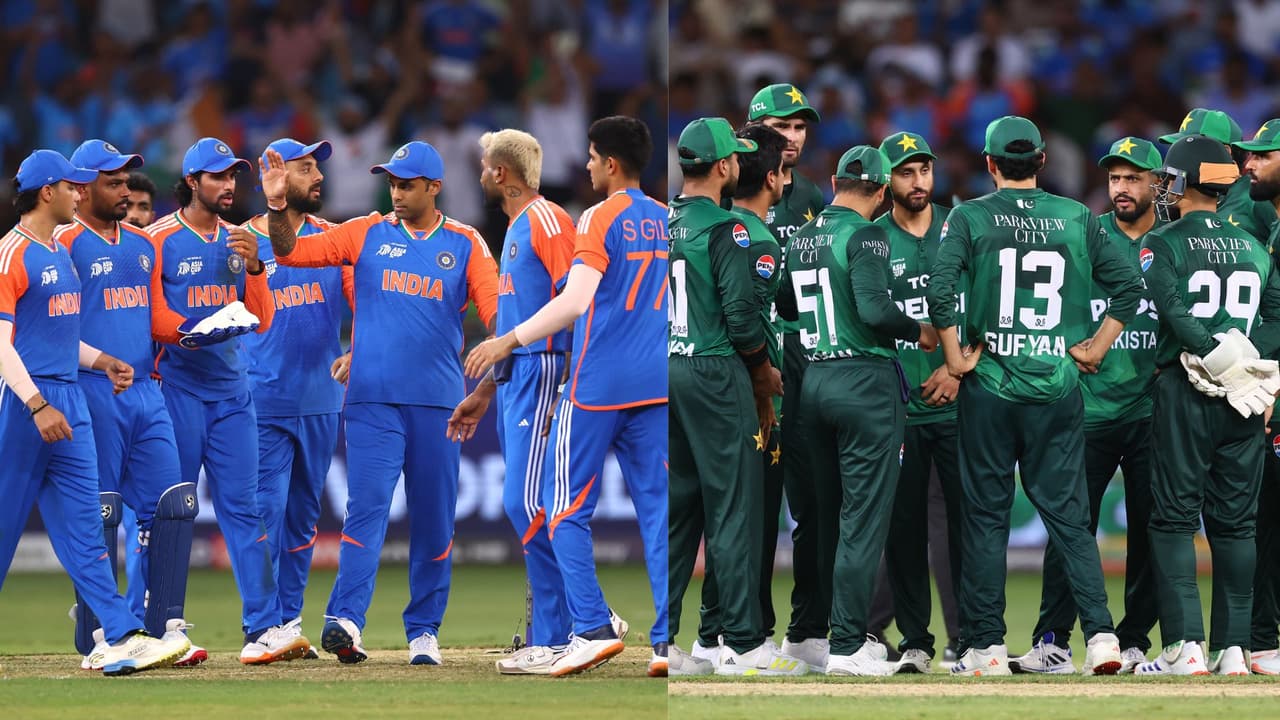
Pakistan reversed its decision to boycott the India match at the T20 World Cup 2026 in Colombo after pressure from the ICC, BCB, and SLC, averting a potential $174 million financial loss and ensuring the high-profile clash goes ahead as scheduled.
After weeks of uncertainty and drama, Pakistan has eventually backtracked from its decision to boycott its clash against Team India at the T20 World Cup 2026, which will take place on February 15 at the R Premadasa Stadium in Colombo.
On Tuesday, Pakistan Prime Minister Shehbaz Sharif, who earlier announced the boycott of the much-anticipated clash as an act of solidarity with Bangladesh, reversed course after pressure from the International Cricket Council (ICC), which warned of severe financial implications, including freezing $34.5 million share of revenue.
The boycott call was backtracked after the Pakistan Cricket Board (PCB) chief Moshin Naqvi met Bangladesh Cricket Board (BCB) chairman Animul Islam and Deputy Chairman Imran Khawaja-led ICC delegation at the Gaddafi Stadium in Lahore to discuss Pakistan’s stance on the India clash in Colombo and explore a possible resolution to the boycott row. Thereafter, Naqvi met with Prime Minister Sharif to brief him about the outcome of the talks with BCB and ICC.
Related Articles

BCB and SLC Push PCB to Cancel Boycott of India Clash
The Bangladesh Cricket Board (BCB) and Sri Lanka Cricket (SLC) played a significant role in pushing the Pakistan Cricket Board (PCB) to revoke its decision to boycott the clash against Team India in Colombo. SLC was the first to step in and urged Pakistan to reconsider its stance of boycotting the much-anticipated clash, citing the financial losses and the impact on tourism, as they are the host of the marquee fixture.
Thereafter, Bangladesh acknowledged Pakistan’s support and solidarity after being removed from the tournament following its refusal to play matches in India, but the board urged the PCB to reconsider the boycott stance for the benefit of the ecosystem and to help ensure that the marquee fixture between India and Pakistan went ahead as scheduled. Even the Emirates Cricket Board (ECB) has reportedly warned PCB of financial losses if Pakistan went ahead with the boycott.
After Pakistan Prime Minister Shehbaz Sharif reviewed formal requests from three boards and other nations, he directed his government to allow Pakistan to take the field against Team India in the February 15 clash in Colombo.
Pakistan’s dramatic on ‘u-turn’ on its stance of boycotting the Team India clash came just six days before the scheduled marquee fixture, underlining the mounting financial, diplomatic, and sporting pressure surrounding the high-profile T20 World Cup encounter. The intervention of the BCB, SLC, and ECB proved decisive in forcing a rethink, leading to Pakistan’s last-minute reversal.
Massive Financial Loss Averted
Pakistan’s reversal of its stance on boycotting the Team India clash has not only safeguarded its own financial interests but also averted a massive estimated loss of nearly $174 million INR 1,470 crore) for the ICC and its commercial partners.
As PCB was earlier adamant about boycotting the Team India clash, as per the government’s directive, the marquee fixture was on the verge of a massive financial loss, with broadcasters, sponsors, and the ICC facing revenue shortfalls due to potential contract breaches by Pakistan, advertising refunds, and a sharp drop in global viewership.
Earlier, it was reported that the India-Pakistan marquee fixture is one of the most commercially valuable in the cricket world, with a single T20 World Cup match alone estimated to be worth around $500 million (approximately ₹4,500 crore) in combined broadcasting rights, sponsorships, advertising, ticket sales, and other commercial activities, underscoring what was at stake if the boycott went ahead.
With the Pakistan Cricket Board also facing the risk of losing its ICC share of revenue, potential legal action from the broadcasters for the contract breach, and long-term reputational damages, the late reversal emerged as a pragmatic decision that ultimately protected Pakistan’s cricketing and commercial interests, preserving the financial backbone of the T20 World Cup 2026.
How $174 Million Was on the Line?
The $174 Million financial exposure was spread across multiple stakeholders, including the International Cricket Council’s commercial revenues, broadcaster advertising sponsorship deals, sales of tickets, and match-day earnings, making the India-Pakistan fixture as the biggest revenue contributor of the tournament.
Broadcasters like Jiostar were reportedly at risk of losing INR 200 crore to 250 crore in direct advertising revenue, with prime ad-slots for the biggest fixture of the T20 World Cup 2026 selling at record rates. As per the reports, the 10-second advertising slots for the India-Pakistan fixture command record rates between INR 25 and INR 60 lakh, almost three times higher than any group-stage fixture of the tournament.
With global sponsorships attracting multi-million dollar investments tied specifically to the India-Pakistan match, any cancellation would have triggered clauses allowing the sponsors to seek a refund for the portions of their investment. This could have directly affected the ICC and JioStar, the official broadcaster of the tournament, while also exposing the PCB to legal disputes, contractual penalties, and long-term commercial fallout from global partners and advertisers.
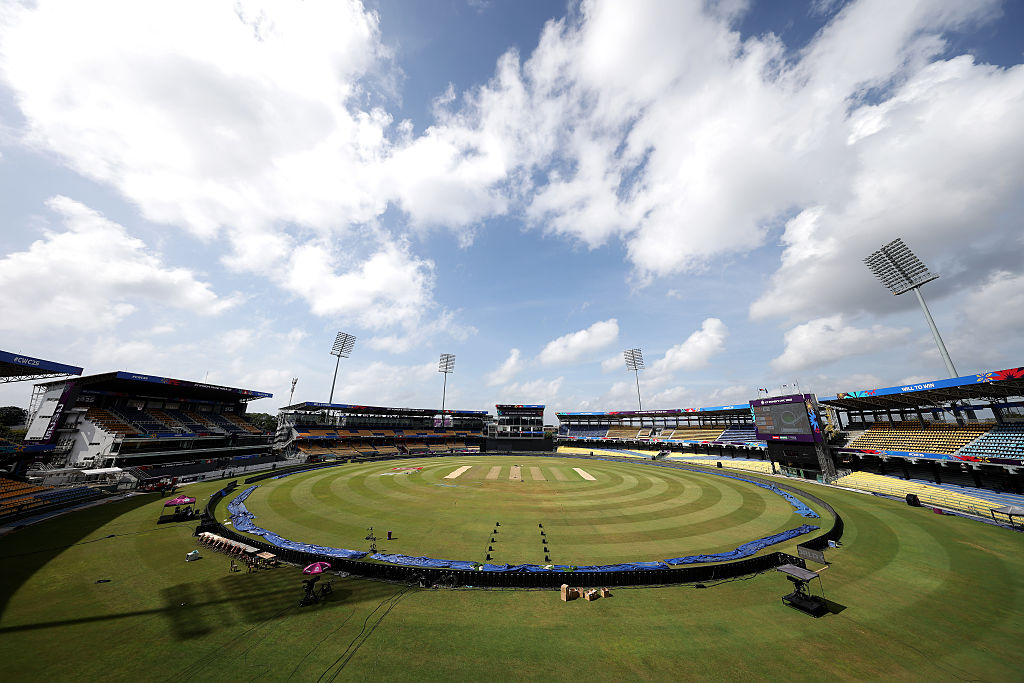
Moreover, the R Premadasa Stadium in Colombo is the host of the marquee fixture, and the cancellation could have affected Sri Lanka Cricket’s match-day revenues, ticket sales, hospitality income, tourism inflow, and local sponsorship commitments, further amplifying the financial fallout of the boycott.
It was reported that $70 million of the projected revenue from the India-Pakistan match was specifically tied to host-nation earnings. including gate receipts, rickets sales, hospitality packages, and tourism-driven inflows, which Sri Lanka stood to lose had the match been called off. However, with the match set to take place as per the schedule, Sri Lanka Cricket and the local economy have been spared a significant financial setback.