
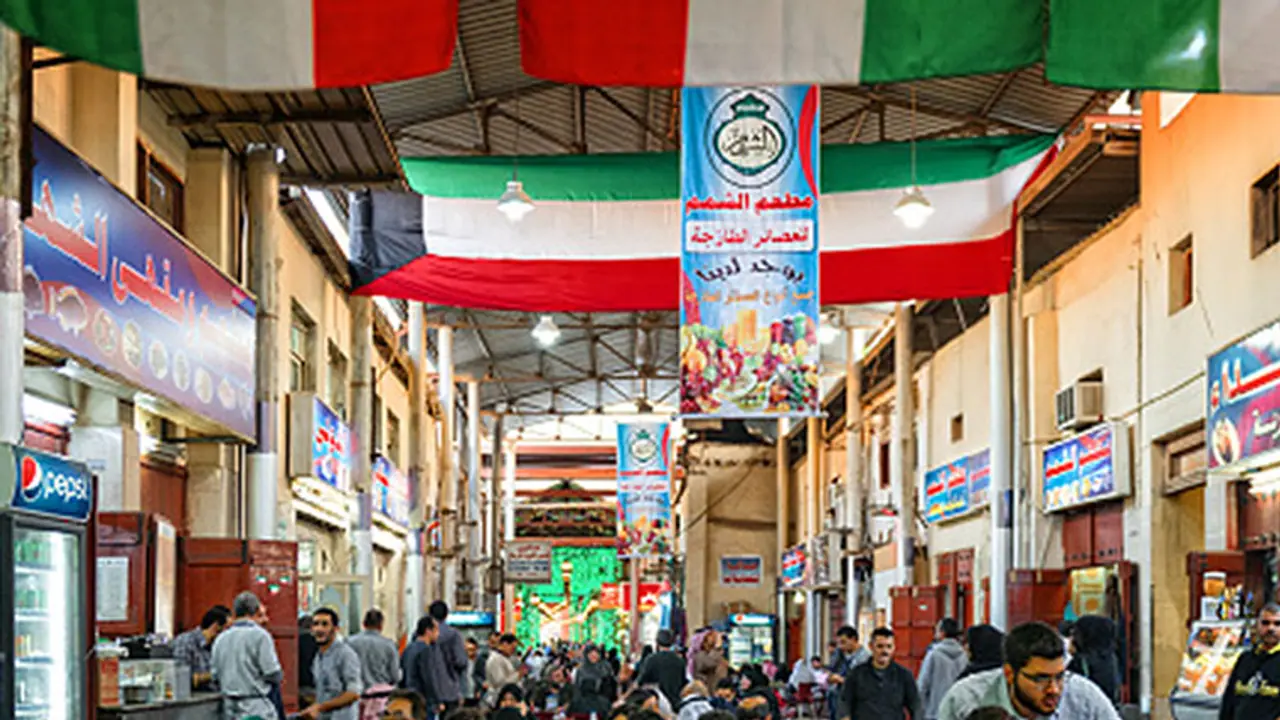
Around 70% of Kuwait's total population is constituted by expats. From last years, the government are making discriminating rules and policies. Many lawmakers are advocating additional healthcare and other taxes for expats.
Kuwait soon will have a new government hospital after almost three decades. The government spent $997 million to build the Jaber Hospital which will be open in next couple of months and is expected to lessen the pressure from other government hospitals and provide better and updated healthcare.
However, this hospital will only treat Kuwaiti citizens and not the foreign population living in the country. This is one of the latest discriminatory measures in a series of acts that are targeted against foreigners who have outnumbered the native population in recent years.
According to a Gulf News report, the States including Kuwait offer generous perks and health benefits to its citizens as well as expatriates. The foreigners in residency and work visas get subsidised health benefits, including only 1 Kuwaiti Dinar ($3.2) for consulting a doctor in public hospitals.
Also, employers pay annual health insurance to the government on behalf of their foreign employees. Owing to these benefits the expatriates prefers private hospitals over the government hospitals.
However, making a government hospital exclusive for the natives, and not allowing the foreigners is a step not appreciated by many. Most of the are from other Arab countries and Asia, and many of them are into manual labour including construction work, and for this population, subsidies and health benefits are crucial.
The discriminating measures started last year after clinics and hospitals in Jahra and the Amiri Hospital of Kuwait City barred foreigners from visiting in the morning for non-emergency services. The same report quoted the lawmaker Safaa Al Hashem as saying that the foreign workers are crowding the hospitals and that ‘competing with us for the air we breathe in the hospital waiting rooms’.
The lawmaker also alleged that families of expats visit the country under visitor visas for avail the health care benefits that include deliveries, cancer treatment, gastric bypass surgeries, and various other procedures. He called for a reform of the current healthcare system, and that tax should be levied on .
Discrimination beyond healthcare:
This discrimination goes beyond healthcare, and the government and lawmakers are promoting and implementing various policies that are biased. For example, almost a year back, the legislature hiked the price of water and electricity in residential buildings but exempted the natives from the revised fee.
A recent amendment in law also changed the rules for foreigners to apply for local driving licence and housewives of immigrants and are not allowed to drive. If the foreigners living in Kuwait are caught breaking the rules, the expats can be deported.
Currently, about 70% of Kuwait’s population is expatriates of the total 4.2 million residents, and many lawmakers are demanding that the government should deport 100000 expats annually for maintaining Kuwait’s demographics.
In fact, the Minister of Social Affairs, Hind Al Sabeeh, was quoted by Gulf News as confirming that over the next five years the demographics of this country will be balanced through a plan that would not disrupt work balance.
