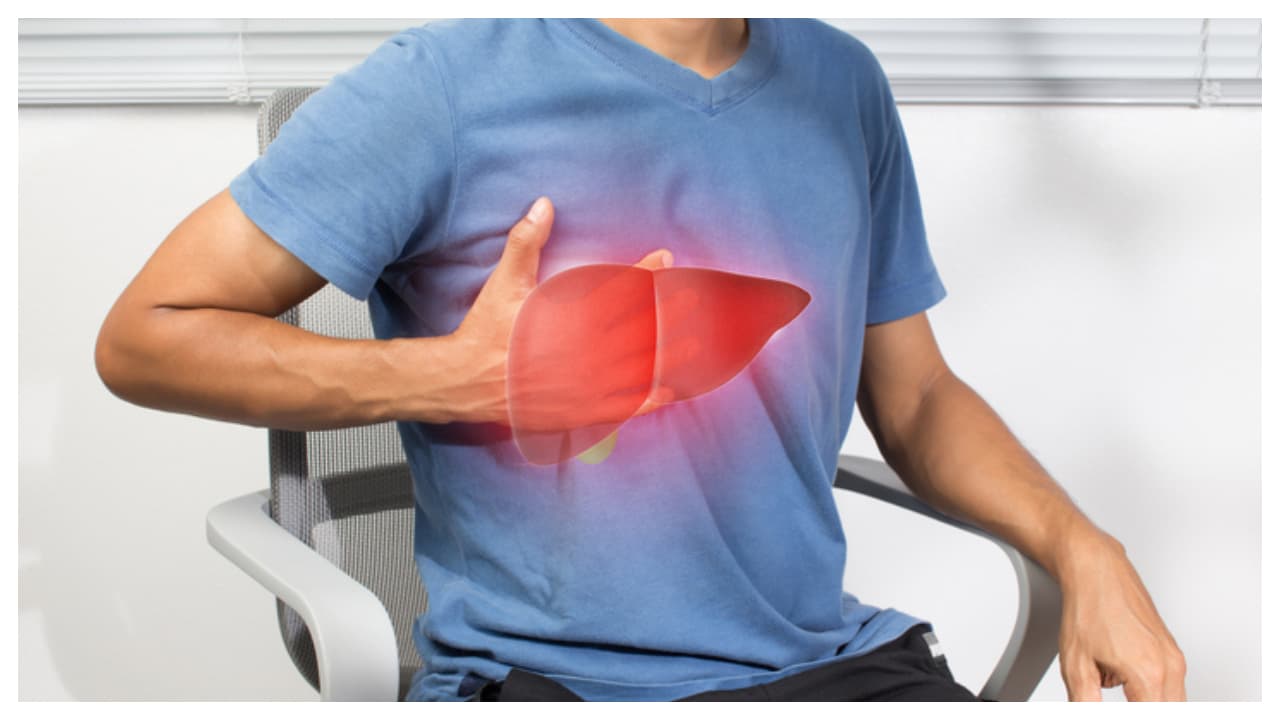
A key liver health fact is that many liver illnesses remain asymptomatic. Patients rarely have symptoms and frequently feel well, even as something is developing.
One of the most important things to understand about liver health is that many liver disorders are silent. Most patients do not experience any symptoms and often feel completely fine even when something may already be developing in the background.
Because of this, the focus should not be on waiting for symptoms, but on identifying risk factors.
Lifestyle-Related Risks
Related Articles

The first and most common set of risk factors is related to lifestyle. Frequent and excessive alcohol consumption puts a person at risk of developing alcohol-related fatty liver and liver damage. Over time, this can progress to fibrosis and even cirrhosis.
Another major risk is MASLD (also known as non-alcoholic fatty liver disease). This is commonly seen in individuals with:
- Obesity
- Diabetes or pre-diabetes
- Hypertension
- Abnormal lipid levels
Visceral obesity is an important marker here. If the waist circumference is more than 90 cm in men or more than 80 cm in women, it indicates a higher risk. A fasting blood sugar between 100 and 125 is considered pre-diabetes, while 126 or above falls into the diabetes range.
Lipid levels are another indicator. Triglycerides above 150, or low HDL cholesterol (below 40 in men and 50 in women), are considered significant. Similarly, blood pressure readings consistently above 130/80 are also a concern.
Family history of liver disease or liver cancer also puts a person at risk of having liver disease, hence timely screening is imperative.
Even a predominantly sedentary lifestyle can increase the risk.
What Your Reports May Be Telling You
Routine tests can sometimes show early signs. High levels of SGOT, SGPT, or bilirubin may mean there is a problem with the liver. A lower platelet count in a complete blood count (CBC) may also be important because it can sometimes mean that the liver is scarred.
If an ultrasound shows any signs of fatty liver or liver involvement, it should not be ignored and should be looked into further.
The Importance of Screening for Viral Hepatitis
Hepatitis B and hepatitis C are common amongst many people in India. If a member of your close family is known to have these diseases, you should have yourself tested. Vaccination against hepatitis B is an important way to help prevent these infections.
When Should You Get Checked?
If you have any of the risk factors listed above, whether they are related to your lifestyle, medical history, or reports, it is important to see a hepatologist. Do not wait for symptoms because liver diseases often don't show clear signs until they get worse.
This article is authored by Dr. Sandeep Satsangi, Lead Consultant - Hepatology and Transplant Hepatology, Manipal Hospital Old Airport Road.