
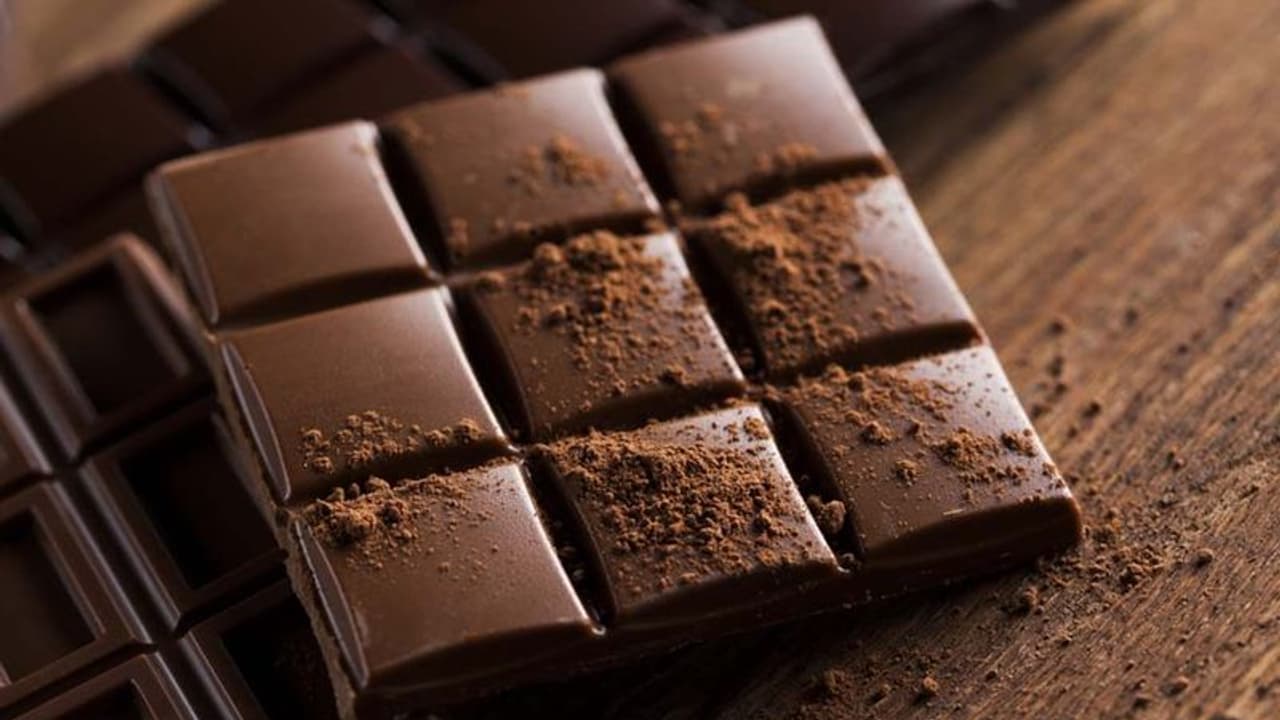
Whether you savor a classic milk chocolate bar, indulge in a decadent chocolate cake, or explore unique artisanal chocolates, World Chocolate Day is a celebration of the sweet pleasure and cultural significance that chocolate brings to our lives. So, take a moment on July 7th to treat yourself and share the joy of chocolate with others.
World Chocolate Day is celebrated on July 7th every year, dedicated to indulging in and celebrating the deliciousness of chocolate. It is a day to appreciate the rich history, diverse flavors, and global popularity of this beloved treat. On World Chocolate Day, people around the world participate in various chocolate-related activities. Some indulge in their favorite chocolate bars, truffles, or desserts, while others explore new chocolate flavors and creations. It is also a day when chocolatiers and confectioners showcase their skills and offer special promotions and events.

Beyond the enjoyment of chocolate, World Chocolate Day also highlights the significance of the chocolate industry and its impact on cocoa-producing communities worldwide. It serves as an opportunity to raise awareness about sustainable and ethical practices in cocoa farming and production.
The exact origin of World Chocolate Day is not definitively known. However, it is believed to commemorate the introduction of chocolate to Europe. According to popular historical accounts, chocolate was first brought to Europe on July 7, 1550, after it was brought back from the New World by Spanish explorer Hernán Cortés.
The story goes that Cortés encountered cocoa beans during his conquest of the Aztec Empire in what is now present-day Mexico. The Aztecs had been cultivating and consuming cocoa for centuries, considering it a prized and sacred food. Cortés was intrigued by this newfound delicacy and brought cocoa beans back to Spain.
From there, the popularity of chocolate gradually spread throughout Europe, eventually becoming a widely enjoyed treat. Over time, various forms of chocolate, such as drinking chocolate, solid bars, and confections, were developed, leading to the rich chocolate traditions we know today.
There are several different kinds of chocolate, each with its unique characteristics and ingredients. Here are some common types of chocolate:
Dark Chocolate: Dark chocolate is made primarily from cocoa solids, cocoa butter, and sugar. It has a higher percentage of cocoa solids and less sugar compared to other types of chocolate. Dark chocolate is known for its intense and slightly bitter flavor profile. It is also often associated with potential health benefits due to its higher cocoa content.
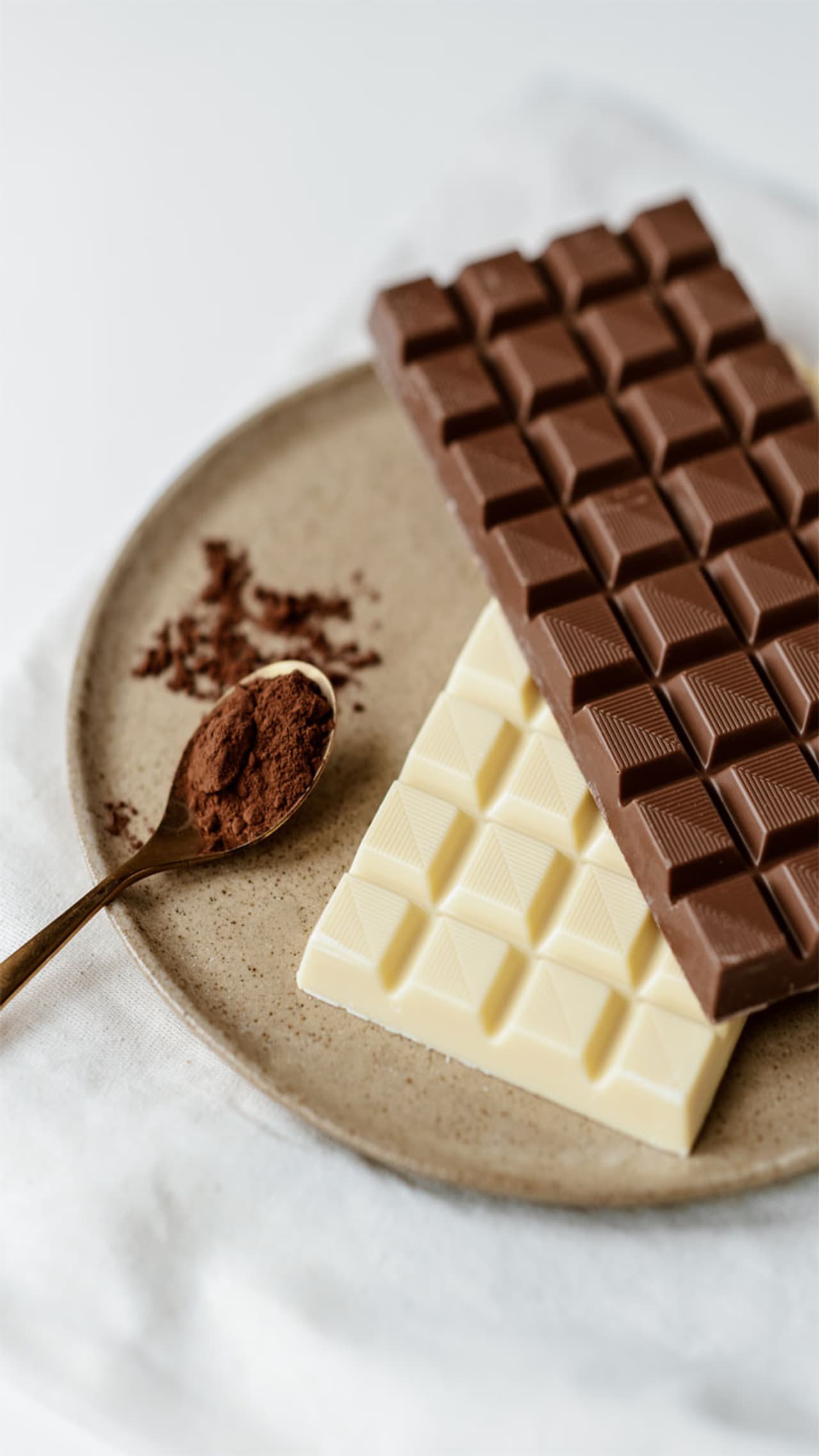
Milk Chocolate: Milk chocolate is made by adding milk powder or condensed milk to cocoa solids, cocoa butter, and sugar. It has a milder and creamier taste compared to dark chocolate, thanks to the addition of milk. Milk chocolate typically has a lower percentage of cocoa solids than dark chocolate.
White Chocolate: White chocolate is made from cocoa butter, sugar, and milk solids, without the inclusion of cocoa solids. It has a pale color and a sweet, creamy flavor. Some argue that white chocolate is not technically chocolate since it lacks cocoa solids, but it is still categorized as chocolate due to its cocoa butter content.
Bittersweet Chocolate: Bittersweet chocolate is a dark chocolate with a high percentage of cocoa solids and a minimal amount of added sugar. It has a more intense and less sweet flavor compared to other types of chocolate. Bittersweet chocolate is commonly used in baking and cooking.
Semi-Sweet Chocolate: Similar to bittersweet chocolate, semi-sweet chocolate contains a higher percentage of cocoa solids and less sugar than milk chocolate. It has a rich and balanced flavor, making it a popular choice for baking, chocolate chips, and confections.
Unsweetened Chocolate: Also known as baking chocolate or bitter chocolate, unsweetened chocolate is pure chocolate liquor made from ground cocoa beans. It has no added sugar, resulting in a strong and bitter taste. Unsweetened chocolate is primarily used in baking and cooking, where sugar is added separately to control the sweetness.
