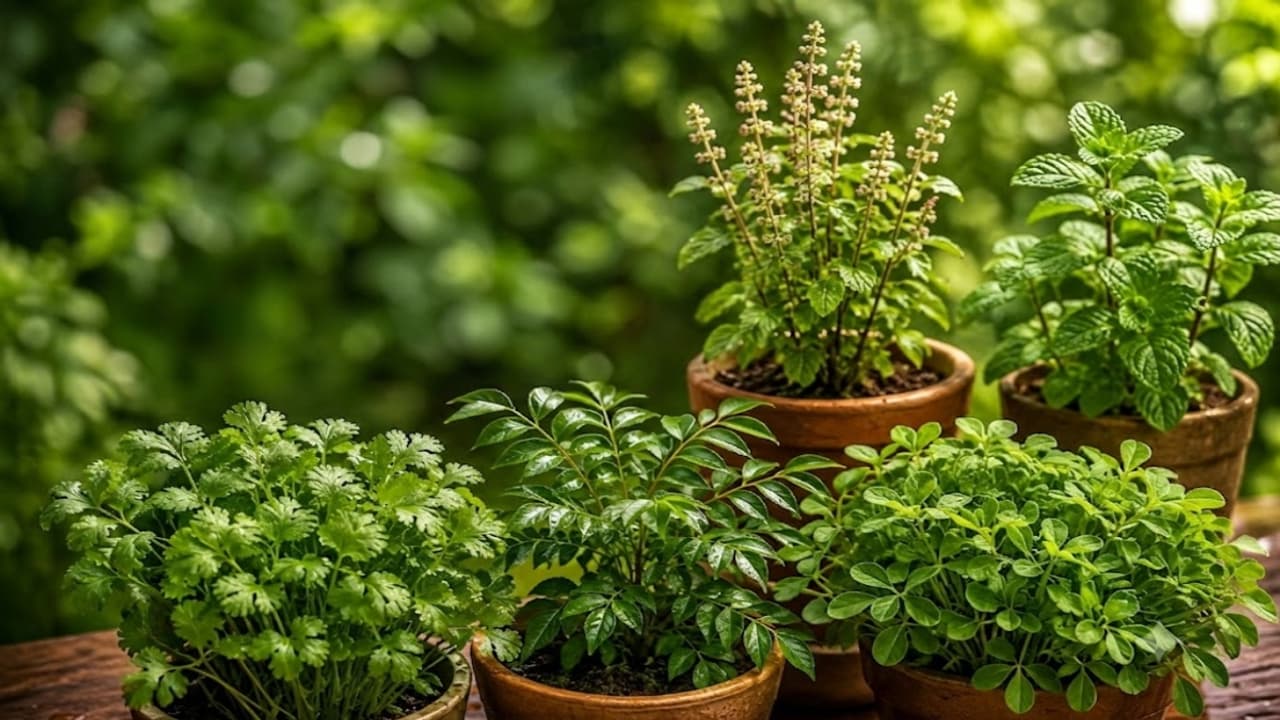
Gardening Tips: Ever noticed your plants looking greener, fresher and more upright after a spell of rain? It isn't your imagination. Rainwater has several natural properties that can affect soil, roots and plant growth
There is something almost magical about the way a garden looks after rainfall. Leaves appear brighter, stems seem more upright and even tired-looking plants can suddenly look refreshed. While the change may seem purely visual, there is real science behind it.
Rain does more than simply supply water. It interacts with the soil, washes dust from leaves, changes the availability of nutrients and can create conditions that make it easier for plant roots to absorb water.
So, what exactly makes rainwater different?
Related Articles

Rainwater is naturally softer than much of the tap water we use
One reason plants can respond well to rain is that rainwater generally contains very few dissolved minerals compared with hard tap water. Tap water can contain minerals such as calcium and magnesium. These are not necessarily harmful—in fact, plants need several minerals to grow—but repeated exposure to mineral-rich water can sometimes contribute to salt or mineral accumulation in the soil.
Rainwater, on the other hand, begins its journey as atmospheric moisture and typically contains relatively low concentrations of dissolved minerals. For container plants especially, this can make a difference over time because excess mineral salts can accumulate in potting soil.
Rainwater helps wash dust from leaves
Have you ever noticed how dramatically greener plants look immediately after a downpour? Part of that transformation is simply a good natural cleaning.
Leaves exposed to outdoor conditions collect dust, pollen and other particles. A good rainfall can rinse much of this material from the leaf surface, allowing the natural colour and shine of the foliage to become more visible.
Clean leaves can also exchange gases more effectively when their surfaces are not heavily coated with dust and debris. This doesn't mean rain acts like a plant fertiliser every time it falls. Sometimes, your garden simply looks healthier because the leaves have had a thorough natural wash.
Rain gives dry soil a deep drink
When rainfall is steady rather than extremely heavy, water can gradually move through the soil and reach areas around the root zone.
This is particularly useful when the surface of the soil has become dry.
Plant roots need water not only to prevent dehydration but also to transport nutrients and maintain normal physiological processes. Water is absorbed by roots and moves through the plant's vascular system, eventually supporting everything from leaf function to new growth.
After a period of heat or dryness, rainfall can therefore produce a visible change surprisingly quickly.
Rain can improve nutrient availability
This is one of the more interesting parts of the story. Plants cannot simply absorb every nutrient sitting in the soil. Nutrients need to be present in forms that roots can access.
Water helps dissolve and move nutrients through the soil, bringing them into contact with plant roots. Rainfall can therefore help redistribute nutrients within the root zone.
However, more rain does not automatically mean more nutrients. Excessive rainfall can actually wash certain nutrients deeper into the soil or away from the root zone.
The key is balance: adequate moisture can help nutrient movement, while prolonged heavy rain can sometimes create the opposite effect.
Rain changes what is happening around the roots
The area immediately surrounding plant roots is a remarkably active environment.
Soil contains water, air, minerals and countless microorganisms. When soil moisture changes, the conditions experienced by roots and soil organisms change as well.
A moderate amount of rainfall can restore moisture to dry soil and support biological activity around the roots.
But there is an important catch: roots also need oxygen.
If soil stays waterlogged for too long, the spaces normally containing air can become filled with water. This reduces oxygen availability and can stress roots.
That is why plants may look fantastic after a normal shower but struggle after repeated, excessive rainfall.
Rain can bring a temporary burst of freshness
The familiar post-rain transformation isn't necessarily evidence that plants have suddenly experienced a major growth spurt.
Some changes happen because plants are better hydrated.
When plants have sufficient water, leaves can maintain their internal pressure, known as turgor pressure. This helps leaves and stems remain firm and upright.
After heat or drought stress, restoring water can therefore make a plant appear dramatically healthier within a relatively short period.
The visual effect can be so noticeable that it feels as though the plant has grown overnight.
There is more happening in the air than you might think
Rain also changes the immediate environment around plants.
After rainfall, humidity rises and temperatures may fall, particularly following a hot spell. This can temporarily reduce the amount of water plants lose through transpiration.
Transpiration is the process through which plants lose water vapour, mainly through tiny openings called stomata on their leaves.
During hot, dry conditions, plants can lose water quickly. A cooler and more humid post-rain environment can reduce that pressure, allowing plants to recover from temporary water stress.
But rainwater isn't automatically perfect
It is tempting to think of rainwater as universally better than tap water, but the reality is more nuanced.
Rainwater quality depends on the environment through which it falls and how it is collected. In polluted areas, rain can pick up atmospheric contaminants. Water collected from roofs can also contain dust, bird droppings and other debris.
For gardening, freshly collected rainwater from a clean collection system can be useful, but stored water should be kept in suitable, covered containers and monitored for contamination.
And when rainfall is heavy, drainage becomes just as important as watering.
Why your garden can look transformed overnight
Put all these factors together and the post-rain effect starts to make sense.
Your plants may have received a thorough leaf rinse, their roots may have gained access to fresh moisture, the soil may have become easier for nutrients to move through, and the surrounding air may have become cooler and more humid.
None of these factors alone is necessarily dramatic.
Together, however, they can create the familiar post-rain garden transformation.
How gardeners can recreate some of the benefits
You don't need to wait for a monsoon shower to give your plants better growing conditions.
Water plants deeply when necessary rather than giving them frequent, tiny amounts of water. Make sure containers have proper drainage, and occasionally flush potted plants if mineral buildup from irrigation water is a concern.
You can also collect rainwater responsibly for gardening where local conditions and regulations allow it.
Most importantly, don't assume that more water is always better. Healthy plants need the right balance of moisture, oxygen, nutrients and light.
The next time your garden looks unusually vibrant after rain, take a closer look. That sudden burst of greenery isn't just a pretty coincidence. Rain is changing the conditions around your plants in several small but important ways—and your garden is showing you the results.