Here’s a look at the top stews eaten around the world, from Turkey to the Philippines to Peru, according to TasteAtlas.
Indian food is one of the only cuisines that is liked by the world. It is diverse; it can suit numerous palates and be customised to everyone’s tastes. It is also rather inexpensive and delivers a flavorful punch. So it's no wonder that Indian food often makes it into lists ranking meals from around the world.
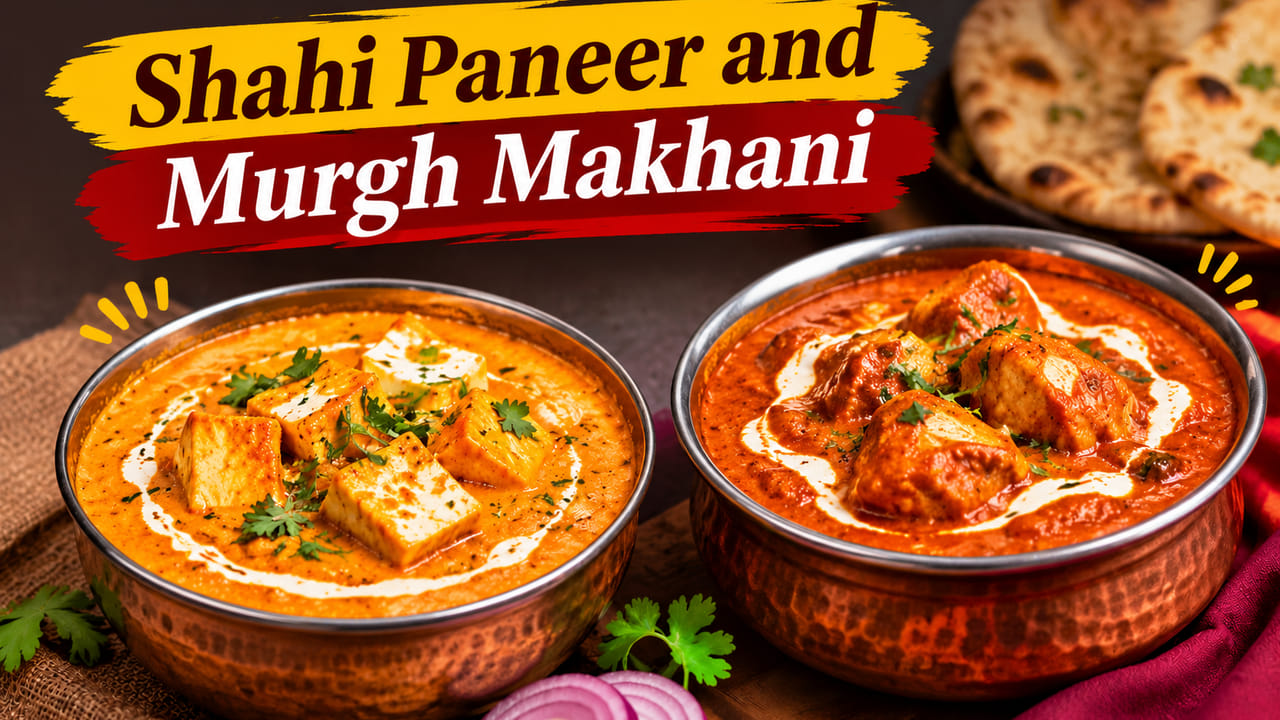
TasteAtlas has released its rankings of the top stews in the world. It features 10 different meals, including dishes from Brazil, the Philippines, Turkey, and more. And Indian cuisine appeared not once, but twice. Murgh Makhani was at number 4 and Shahi Paneer was at number 6.
That’s what makes these 2 meals so yum:
Murgh Makhani
One of the most famous North Indian dishes in India is murgh makhani, better known as butter chicken. This rich and creamy dish, originating from Delhi, is made with soft chunks of chicken, usually cooked in a tandoor after being marinated in yogurt and spices.
Related Articles

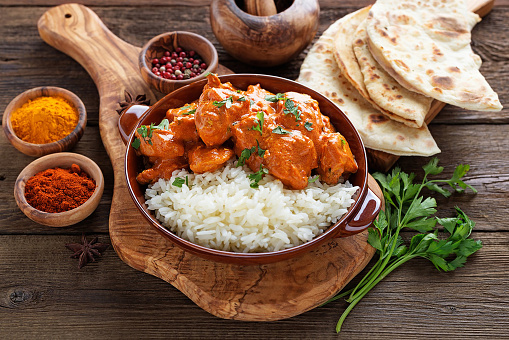
The chicken is then cooked in a creamy tomato sauce with butter, cream and fragrant spices. Murgh Makhani is somewhat sweet, tangy and buttery and goes nicely with butter naan, roomali roti or jeera rice.
Shahi Paneer

Shahi paneer is a delicious North Indian dish, and the name is derived from the word ‘shahi’ meaning regal. This decadent vegetarian meal comprises soft cubes of paneer cooked in a creamy stew of tomatoes, onions, cashews, cream and fragrant spices. There is a subtle flavor of cardamom, saffron and a trace of sweetness, with a smooth, softly spicy and opulent taste. Shahi Paneer is a popular choice for holiday meals and special events, and is often served with naan, paratha or pulao.
Here are the other international stews that also made it to the top 5 stews in the world:
Seco de cabrito, Peru.
Seco de cabrito is a classic northern Peruvian goat stew, with a delicious, flavorful sauce and soft slow-cooked meat. Usually cooked using young goat, marinated and boiled with coriander, garlic, onions, chillies, and spices. Beer or chicha de jora (a traditional fermented maize drink) is commonly added to enhance flavour and help tenderise the meat. The result is a stew with a distinctive green sauce, usually eaten with rice, beans, and sometimes cassava.
Thailand, Phanaeng
Phanaeng or Panang curry is a famous Thai curry recognised for its thick, creamy smoothness and somewhat sweet, fragrant flavour. It’s from central Thailand and usually cooked with a thick curry paste of dried chillies, galangal, lemongrass, garlic, shallots and spices. The roasted peanuts lend depth and a nutty flavor to the curry, while the coconut milk provides a velvety texture. It is often prepared with beef, chicken or pig, finished with kaffir lime leaves and served with steaming jasmine rice.
Hünkârbeğendi, Türkiye
Hünkârbeğendi is a traditional Turkish dish from Ottoman royal cuisine. The term translates as ‘the Sultan enjoyed it’ and is associated with royal eating practices. Tender morsels of lamb or beef simmered in a rich tomato-based sauce are served over a silky and smoky eggplant purée. The purée is a mixture of roasted aubergines, butter, milk and flour, typically with cheese for additional richness. The creamy eggplant base combined with the savoury pork stew makes it exceptionally decadent.
Philippines, Kare
Kare-kare is a popular Filipino stew usually made with oxtail, though tripe and other meats are sometimes used. The hallmark of this meal is the rich, creamy peanut-based sauce that gives the dish its characteristic nutty flavour and golden-brown colour. The beef is gradually cooked till soft and served with veggies including banana blossom, eggplant and string beans. You may add ground roasted rice to thicken the sauce. Traditionally, Kare-kare is served with bagoong, a fermented shrimp paste that provides a salty, savoury contrast to its gentle, creamy flavours.