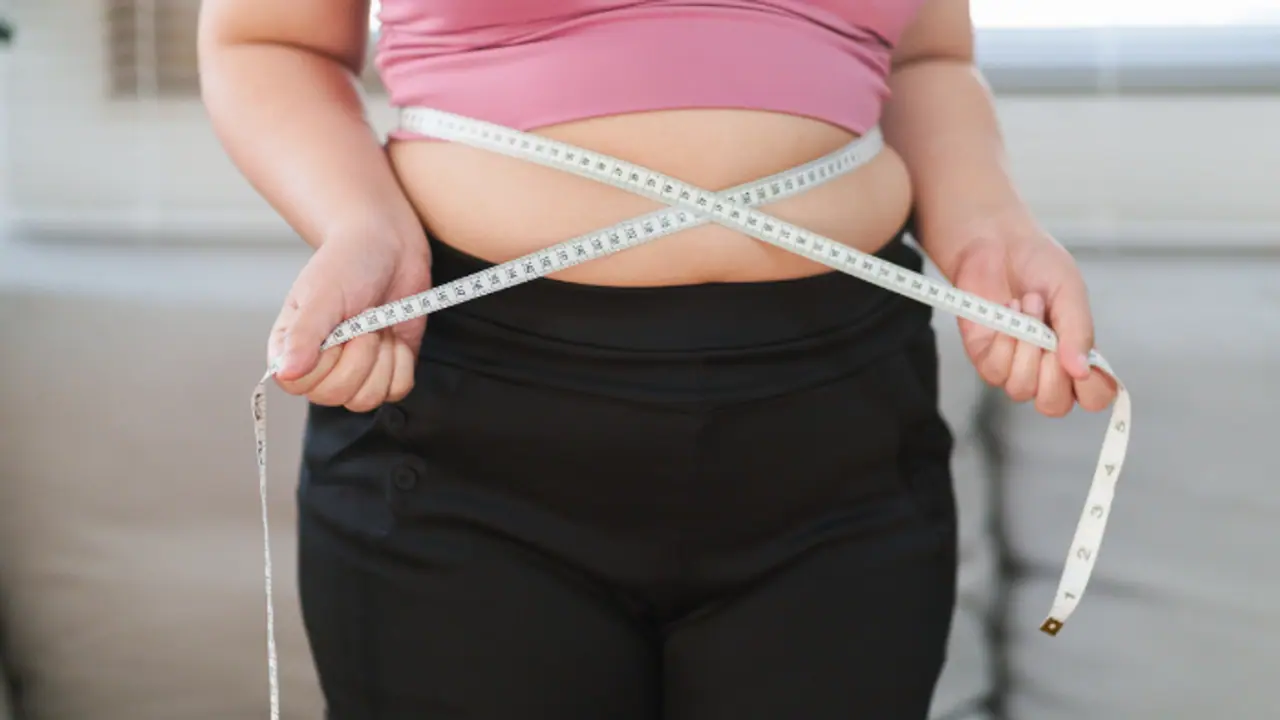
Losing weight with PCOD can be challenging due to hormonal imbalances, but it's not impossible. With the right diet, exercise, and lifestyle habits, you can manage symptoms and achieve sustainable weight loss.
Polycystic Ovarian Disorder (PCOD) is a hormonal imbalance problem affecting millions of women. These women find it hard to lose weight due to their insulin resistance, hormonal disturbance, and fat deposition. Yet, it is possible to lose weight with PCOD with the right approaches. Following are 7 methods based on available research for maintaining a healthy weight for women having PCOD.
Sustainable Ways to Beat Hormonal Weight Gain:
1. Switch to a Diet with a Low Glycemic Index (GI)
Low-GI foods take a longer time to digest, allowing a steady rise in blood sugar levels and a drop in insulin spikes, which is essential in managing PCOD. Go for whole grains, beans, oats, lentils, leafy greens, and fibrous vegetables. Steer clear of white bread, sugary snacks, and all sorts of processed foods that create crashes in the sugar level.
Related Articles

2. Include Protein and Fiber in Every Meal
Protein keeps you feeling full for a long time and also stabilizes blood sugar. Fiber aids digestion and prevents cravings; lean protein such as eggs, paneer, chicken, tofu, and legumes should be included. Combine them with fiber-rich vegetables and whole grains to boost metabolism and break down fat.
3. Keep Moving, Be It Cardio or Strength Training
Being active increases insulin-sensitive action and tends to ramp up metabolism. At least 30-45 minutes of movement should be incorporated into the daily routine. The combination of cardio (brisk walking, swimming, cycling) and strength training (weight lifting, bodyweight exercises), is best when it comes down to PCOD and weight reduction.
4. Try Intermittent Fasting, but Assess Your Body
Some women with PCOD do better with intermittent fasting, especially the 14:10 or 16:8 plan, which will help improve their insulin response; however, fasting does not agree with everybody. Pay attention to your body, and consult a doctor before embarking on intermittent fasting: this holds true particularly for those with irregular eating patterns or blood sugar challenges.
5. Less Stress and More Sleep
Cortisol, on the other hand, worsens PCOD symptoms and fat gain and, when under chronic stress, is elevated. Engage in yoga, meditation, or mindful breathing exercises. Sleep uninterrupted for 7–8 hours, as a lack of sleep also creates havoc with hormone regulation and appetite control.
6. Staying Hydrated Consistently
Water aids digestion, reduces bloating, and facilitates fat metabolism. Drink 2 to 3 liters of water every day. Instead of sugary beverages and sodas, stay hydrated with lemon water, herbal teas, or plain coconut water.
7. Track Your Results, Not Your Perfectionism
Weight loss with PCOD can be long very slowly, but remember that every little effort counts. Ask yourself what other "non-scale victories," such as higher energy levels, improved skin, or decreased cravings, could motivate you. No crash diets! They will harm your hormonal balance in the long run.
If you have PCOD, getting rid of your excess weight is not merely a cosmetic procedure; it is restoring some wholesome environment to your hormonal health, cutting off the risk to diabetes, and creating better avenues for life choice. If the balance is right in terms of diet, movement, and a little self-care, the results can be long-term. Be patient, consistent, and have a little faith in your body to heal and transform.