
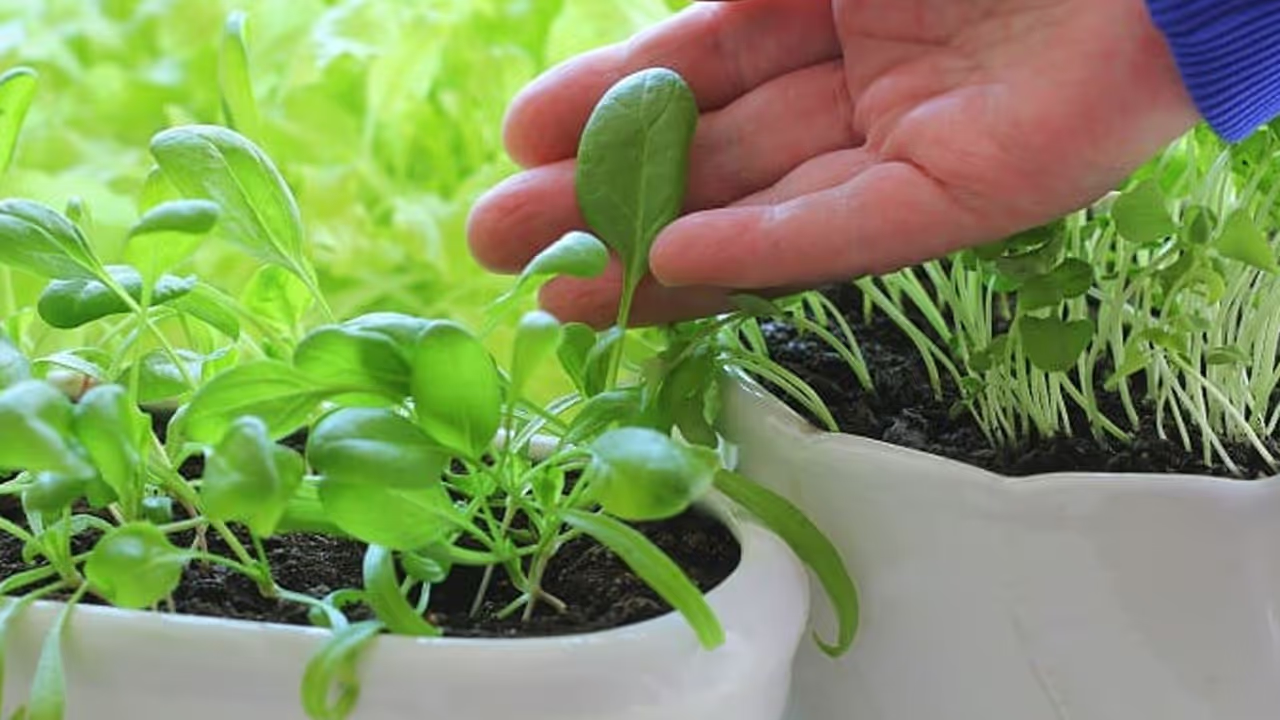
The monsoon season offers a perfect window for home growers, with moderate temperatures and moist soil ideal for gardening. You can easily cultivate several pot-friendly vegetables like spinach, radish, and beans on a patio or balcony with minimal maintenance. These crops grow rapidly during this season, providing fresh harvests by September.
There is more to the monsoon season's rainfall than merely cooling the air. If you are a home grower, they also create some of the greatest farming windows. The temperature stays moderate, the soil stays moist for a long period, and seeds receive the steady water they need to grow rapidly. Because there isn't the intense summer heat, young plants also adapt better. The monsoon season is ideal if you've been meaning to start a patio, balcony, or even a windowsill garden.
Many vegetables with a robust head opening may be sown during the monsoon season, and with very little maintenance, you can enjoy fresh harvests that are ready by September. Throughout this season, a number of pot-friendly veggies grow nicely, from lush greens to fast root crops. They just need regular care, some sunshine, and excellent drainage. The rainy season is not only ideal, but also the ideal time to begin if you enjoy the flavour of your own crops.
Spinach
One of the fastest veggies to thrive during the monsoon season is spinach. The naturally damp weather accelerates germination, while the lower temperatures keep the leaves from becoming bitter. Fill a container that is at least 8 inches deep with soil that drains well and is rich in compost.
Cover the seeds with a thin layer of dirt, sprinkle them over, and set the container in a spot that gets three to four hours of sunlight every day. When the season comes, you may enjoy fresh spinach since regular picking of the outer leaves encourages continuous development.
Radish
Radish grow quite quickly—often in 30 to 40 days—and thrive in damp soil. For the roots to grow properly, they require pots that are at least 10 to 12 inches deep. Since root vegetables dislike disturbance, sow seeds directly instead of moving seedlings. Once the seedlings are visible, thin them to avoid crowding and to give each root adequate room to grow. They are one of the most satisfying vegetables of the season since you may harvest the crisp, tender ones from your pots before the season ends if you give them regular hydration and enough sunlight.
Fenugreek (Methi)
One of the easiest green vegetables to cultivate at home is fenugreek, also known as methi, and it doesn't require large pots. It is sufficient to use a shallow tray or pot that is 6 to 8 inches deep. During the wet season, the seeds sprout rapidly, and the leaves are frequently ready for harvesting in three to four weeks.
If just the top leaves are harvested, methi continuously produces new foliage, aside from the fresh greens used in curries and parathas. Fenugreek is still one of the most productive crops for tiny urban gardens because of its rich flavour and smell.
Beans
Because plants like mild soil without extreme summer heat, bush beans thrive when planted in the pre-monsoon season. They are ideal for even sowing in pots since they don't require complicated supports as climbing beans do. Sow the seeds straight into the soil in pots that are about 10 inches deep.
Within a few weeks, the plants begin to blossom and eventually produce delicate green pods that may be continuously plucked. Regular bean picking allows the plants to continue blossoming, providing you with new harvests all along the way.
Green Chillies
During the wet season, green chilli plants grow rapidly and continue to produce for several months. Start with healthy nursery saplings or seeds in a container that is at least 12 inches deep. Because severe waterlogging during heavy downpours might damage the roots, they require adequate drainage.
Place the pots where they will regularly receive at least five to six hours of sunshine. One of the longest-producing crops for small gardens, the plants often start to yield beautiful green chillies by late August or early September that may be gathered on a regular basis.
