
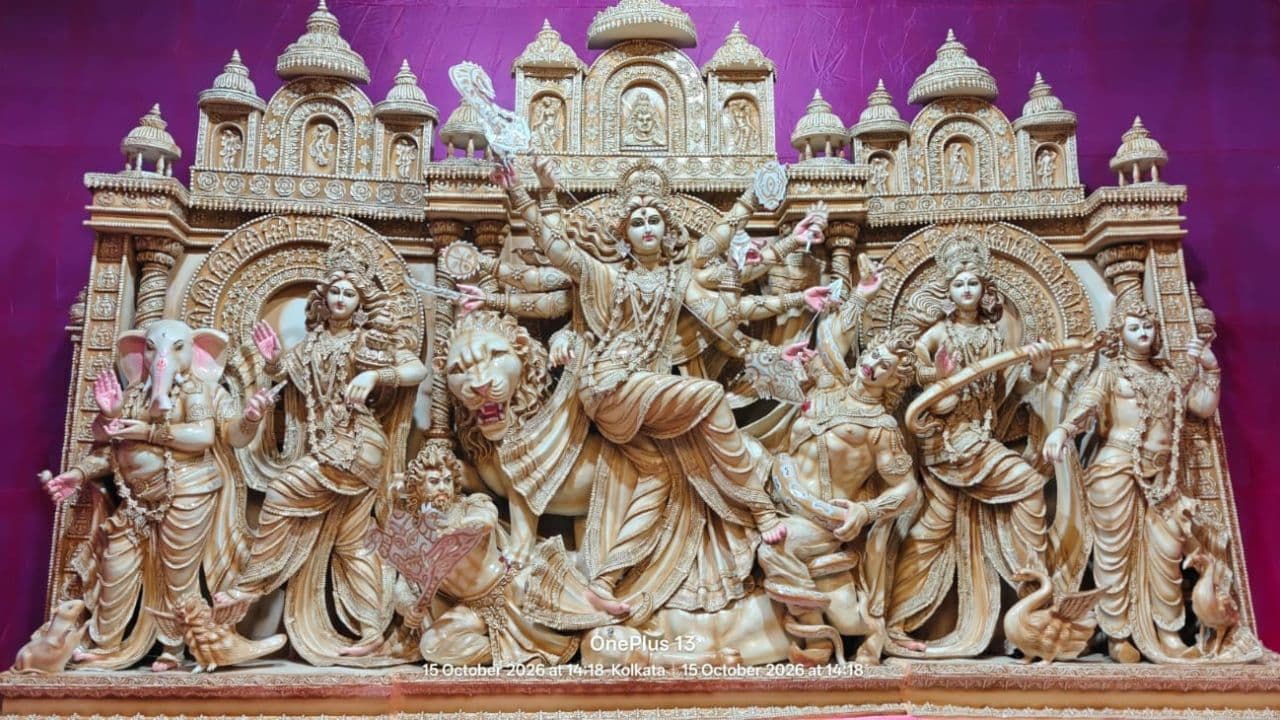
Maha Ashtami 2026 falls on October 19. Know the date, puja muhurat, rituals, Pushpanjali, Kumari Puja, Sandhi Puja timings and significance of this auspicious Durga Puja day dedicated to Goddess Durga.
Maha Ashtami is one of the most important days of Durga Puja, celebrated with devotion across West Bengal and several other parts of India. The day honours Goddess Durga and her victory over evil forces. Devotees observe the occasion through Pushpanjali, Kumari Puja, Sandhi Puja and special prayers seeking the Goddess's blessings.
Durga Puja 2026: 13 Iconic Pandals to Visit Across India This Festive Season!
In 2026, Maha Ashtami will be observed on Monday, October 19. The Ashtami Tithi begins at 8:27 AM on October 18 and ends at 10:51 AM on October 19, according to the Panchang timings for Delhi and Mumbai. Ritual timings may vary by location and tradition.
Navratri 2026: 15 Budget-Friendly Gifting Ideas To Make Your Loved Ones Feel Special!
Maha Ashtami 2026 Puja Muhurat
Maha Ashtami date: Monday, October 19, 2026
Ashtami Tithi begins: 8:27 AM on October 18
Ashtami Tithi ends: 10:51 AM on October 19
Sandhi Puja: The 48-minute period surrounding the transition from Ashtami to Navami
The Sandhi Puja timing is approximately 10:27 AM to 11:15 AM on October 19, based on the cited Panchang calculation. Devotees should check their local Panchang for exact timings before performing rituals.
Maha Ashtami Puja Vidhi
Maha Ashtami worship traditionally begins with a bath and preparations at the puja area. Devotees clean the space, arrange flowers and offerings, and pray before the idol or image of Goddess Durga.
The puja may include the following steps:
Preparation: Clean the worship area and arrange flowers, incense, a lamp, fruits, sweets, rice and other traditional offerings.
Invocation: Begin with prayers to Goddess Durga and seek her blessings for peace, strength and prosperity.
Offerings: Present flowers, vermilion, fruits and bhog according to family customs and local traditions.
Mantra and scripture recitation: Devotees may chant Durga mantras or recite passages from the Durga Saptashati.
Aarti: Conclude the main worship with aarti and prayers for the well-being of the family and community.
In traditional Durga Puja ceremonies, the day may also include Mahasnan and Shodashopachara Puja, a form of worship involving 16 ritual offerings. The exact procedure depends on the community's customs.
Important Maha Ashtami Rituals
1. Pushpanjali
Pushpanjali is among the most widely observed Maha Ashtami rituals, particularly in Bengal. Devotees gather before Goddess Durga, hold flowers in their hands and offer them while priests recite sacred mantras. Many devotees observe a fast or avoid food before offering Pushpanjali, depending on their family traditions.
2. Kumari Puja
Kumari Puja involves worshipping a young girl as a manifestation of the divine feminine power of Goddess Durga. The girl is welcomed respectfully, offered prayers and traditional gifts, and sometimes served a special meal. In some traditions, nine girls symbolising the nine forms of the Goddess are worshipped, while other communities follow different practices.
3. Sandhi Puja
Sandhi Puja takes place at the sacred transition between Ashtami and Navami. The ritual marks the final 24 minutes of Ashtami and the first 24 minutes of Navami, creating a 48-minute worship period.
According to Hindu tradition, this moment is associated with Goddess Chamunda's defeat of the demons Chanda and Munda. Devotees perform special prayers, offer flowers and light lamps. Lighting 108 lamps is a customary practice in several traditions. Some communities also perform symbolic offerings instead of animal sacrifice.
4. Bhog and Prasad
Food offerings are prepared and presented to Goddess Durga as an expression of devotion. Depending on regional customs, bhog may include fruits, sweets, khichuri, vegetables and other traditional dishes. The offerings are subsequently distributed among devotees as prasad.
Significance of Maha Ashtami
Maha Ashtami symbolises courage, divine feminine energy and the triumph of good over evil. Devotees believe that worshipping Goddess Durga on this auspicious day brings strength, protection, peace and prosperity. The rituals also reinforce the importance of devotion, compassion and righteousness.
In West Bengal, Maha Ashtami is especially significant because of Pushpanjali and the large gatherings at Durga Puja pandals. Families and communities come together to offer prayers and participate in the celebrations.
As Maha Ashtami 2026 approaches, devotees can prepare for the occasion by checking local puja schedules, learning about the rituals and observing the day according to their family traditions.
