Choti Diwali 2026 celebrates the victory of good over evil. From the traditional oil bath to early morning prayers, discover the significance of rituals followed on Naraka Chaturdashi.
Choti Diwali 2026: Why Are Oil Baths And Early Morning Rituals Important?
Choti Diwali 2026 will be celebrated on November 8. From the traditional oil bath before sunrise to lighting diyas, discover the religious significance of these rituals and why devotees follow them.
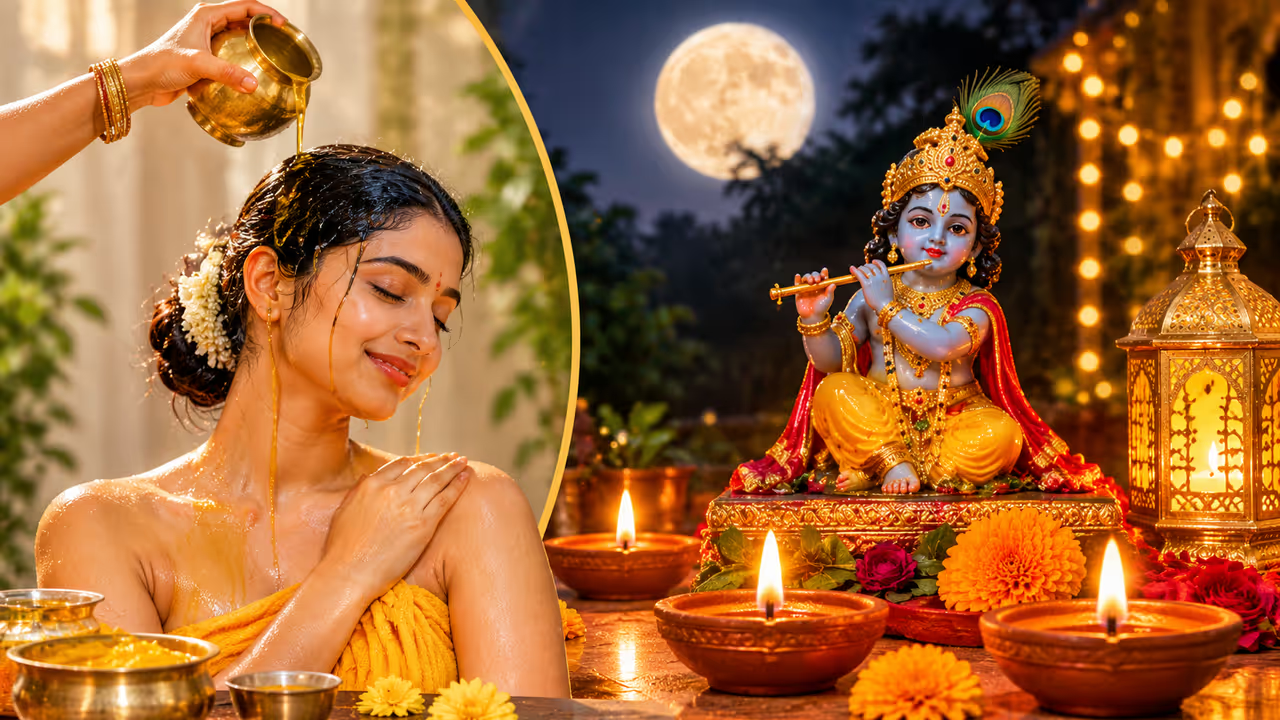
Choti Diwali, also known as Naraka Chaturdashi, is an important part of the five-day Diwali celebrations. The festival is associated with Lord Krishna's victory over the demon Narakasura and symbolises the triumph of good over evil. Unlike the main Diwali celebrations, Choti Diwali places special importance on early morning rituals, personal cleansing and lighting lamps. One of the most significant traditions is Abhyanga Snan, a ritual bath performed before sunrise using oil and herbal preparations.
Related Articles

Choti Diwali 2026: Why Is The Oil Bath Important?
Abhyanga Snan is considered one of the most important rituals of Naraka Chaturdashi. According to Hindu beliefs, devotees apply sesame oil to their bodies before taking a bath, often using a traditional herbal paste called ubtan.
The ritual is believed to cleanse the body and mind, remove negativity and protect devotees from the fear of Naraka (hell). It is also associated with Roop Chaudas, another name for the festival, when people follow traditional cleansing and beauty practices.
The ritual is connected with the legend of Lord Krishna defeating Narakasura. According to popular beliefs, Krishna returned after the battle and took an oil bath to cleanse himself. This is one of the stories associated with the tradition.
Why Are Early Morning Rituals Important On Choti Diwali?
Waking up before sunrise is an important part of Choti Diwali celebrations. According to Hindu traditions, taking a bath during the early morning hours of Naraka Chaturdashi is considered especially auspicious.
Devotees believe that beginning the day with an oil bath, prayers and cleanliness helps remove negative energies and welcomes positivity. After the bath, people wear clean or new clothes, offer prayers and prepare their homes for the festive celebrations.
The early morning ritual is also linked to the belief that Lord Krishna defeated Narakasura around this time, making it a symbolic celebration of light overcoming darkness.
Other Important Choti Diwali Rituals
Apart from Abhyanga Snan, several other traditions are followed on this occasion:
* Lighting Diyas: Families light earthen lamps outside their homes to celebrate the victory of good over evil.
* Yama Deepam: A special diya is lit in honour of Lord Yama, seeking protection and the long life of family members.
* Worshipping Lord Krishna: Devotees offer prayers to Lord Krishna, remembering his victory over Narakasura.
* Cleaning And Decorating Homes: People clean their homes, make rangolis and prepare sweets for Diwali.
In 2026, Choti Diwali and the main Diwali celebrations fall on November 8 according to several Panchang calendars. The Abhyanga Snan muhurat in New Delhi is from 5:41 AM to 6:38 AM. Timings may differ depending on the city.
Ultimately, the traditions of Choti Diwali carry a deeper message of cleansing, renewal and positivity. Whether through an early morning oil bath or lighting diyas, each ritual reflects the spirit of welcoming happiness and driving away darkness.