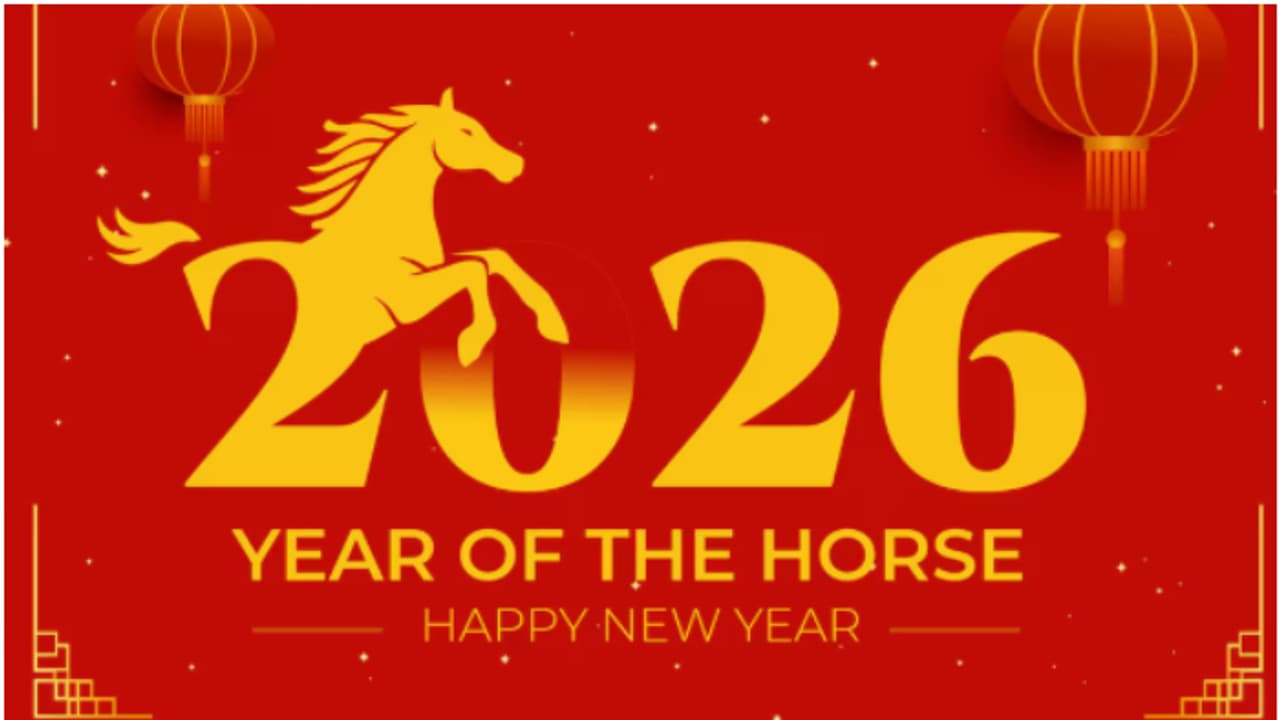
Chinese New Year 2026 will be celebrated on February 17, marking the Year of the Horse. Families gather, follow traditions, and enjoy festive rituals that bring luck, happiness, and new beginnings.
Chinese New Year 2026 will be celebrated on February 17, marking the beginning of the Lunar New Year in the traditional calendar. The festival will welcome the Year of the Horse, symbolising energy, courage, determination, and forward progress in Chinese zodiac beliefs.
It is one of the most significant festivals celebrated by millions worldwide. Rooted in centuries old customs from China, the occasion beautifully blends history, mythology, and cultural rituals that represent renewal, prosperity, and strong family bonds each year.
Historical Origins
The festival’s roots trace back over 3,000 years to ancient agrarian societies. Initially, it began as a harvest celebration to honour ancestors and deities, seeking blessings for prosperity, protection, and good fortune in the coming year.
Related Articles

Legends and Traditional Customs
Ancient stories about the mythical beast Nian inspired many traditions. People lit firecrackers and wore red clothes to scare away evil spirits. Over time, these became signs of luck, happiness, and fresh starts.
Cultural Significance
Chinese New Year symbolises renewal, reunion, and hope. Families gather for reunion dinners, exchange red envelopes, and clean their homes to sweep away bad luck. Each ritual reflects gratitude for the past year and optimism for health, wealth, and success ahead.
Modern-Day Celebrations Worldwide
Today, the festival is celebrated globally with parades, dragon dances, lantern displays, and traditional feasts. Despite modern influences, its core meaning remains unchanged, honouring heritage, strengthening family bonds, and welcoming fresh beginnings with joy and positivity.