
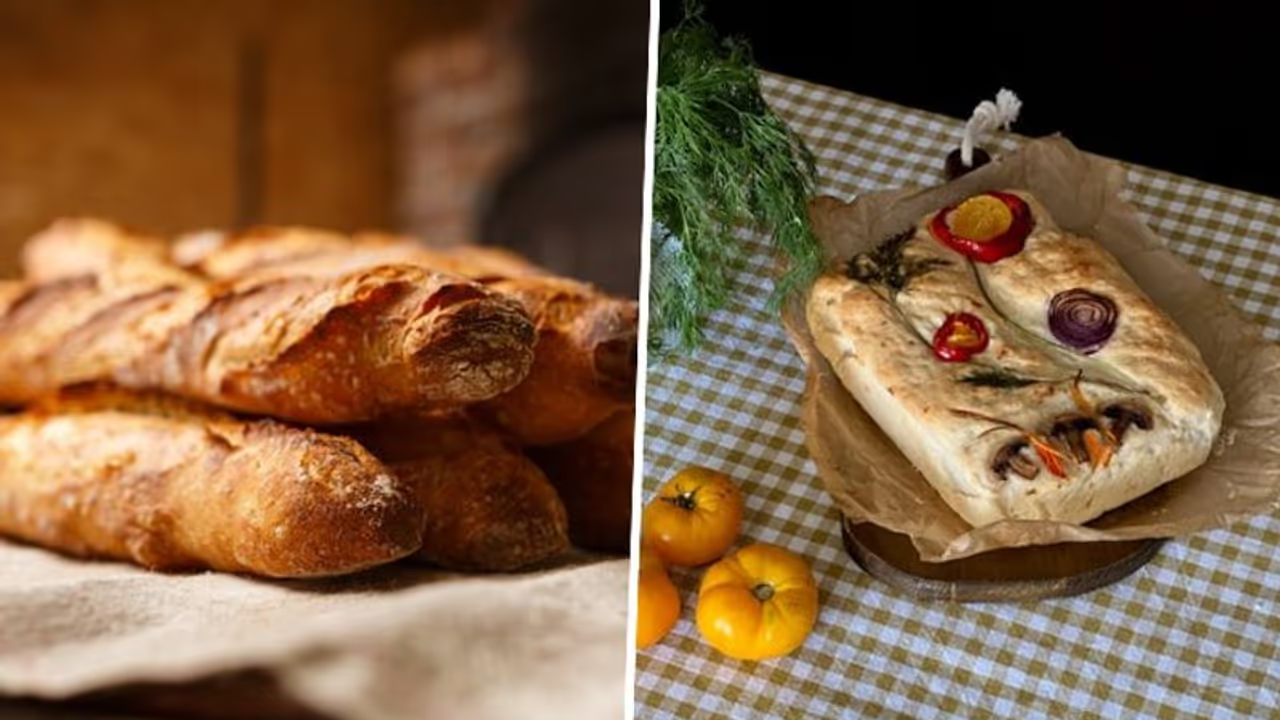
Explore diverse bread types: French baguette's simplicity, Indian naan's versatility, German pumpernickel's heartiness, Italian focaccia's herb-infused delight, and Jewish challah's braided tradition. A global journey of flavors and cultures through the art of baking
Bread, an age-old staple, has evolved into an endless array of delectable forms that reflect the diverse cultures and culinary traditions around the world. From the comforting aroma of freshly baked loaves to the satisfying crunch of crusts, bread has a special place in our hearts and on our plates. In this gastronomic journey, we delve into five distinct types of bread, each with its own history, flavor profile, and cultural significance.
Baguette: A French Elegance
The iconic French baguette is a testament to the art of simplicity. With its long, slender shape and crispy golden crust, this bread has captured the hearts of people worldwide. Originating in France, the baguette boasts a tender interior characterized by its chewy crumb. Its creation involves minimal ingredients—flour, water, yeast, and salt—allowing the subtle flavors to shine through. Typically enjoyed fresh and warm, the baguette is a versatile accompaniment to cheeses, pâtés, and even soups, making it a staple in French households and an emblem of French culture.
Naan: India's Flavorful Flatbread
Traveling across continents, we find ourselves in India, where naan takes center stage. This soft, leavened flatbread is a staple in Indian cuisine, known for its pillowy texture and ability to scoop up flavorful curries. Traditionally cooked in a tandoor (clay oven), naan develops a delightful charred exterior and a slightly smoky aroma. The dough, often enriched with yogurt or milk, results in a bread that's both indulgent and satisfying. Naan is not merely a bread; it's an integral part of Indian culinary gatherings, fostering a sense of community and sharing.
ALSO READ: Miss World 2023: Kashmir to host prestigious pageant after 27 years; Karolina Bielawska visits Srinagar
Pumpernickel: Hearty German Tradition
In Germany, pumpernickel holds a special place on the table. This dense, dark bread is crafted from coarsely ground whole rye grains and derives its distinct earthy flavor from a slow and low-temperature baking process. Pumpernickel's rich, moist crumb and robust taste make it a perfect canvas for hearty toppings like smoked fish and aged cheeses. Its origins can be traced back to Westphalia, Germany, where it was initially regarded as a peasant bread. Over time, it gained popularity across social classes, embodying a taste of Germany's rural traditions.
ALSO READ: National Lemon Juice Day 2023: Date, history, significance
Focaccia: Italy's Herb-Infused Delight
Italy's contribution to the world of bread is manifested in focaccia. This flat, oven-baked bread features a soft interior and a crisp, olive oil-brushed crust. What sets focaccia apart is its versatility, as it serves as a canvas for various toppings like rosemary, olives, tomatoes, and even caramelized onions. Focaccia is deeply rooted in Italian culinary heritage, often enjoyed as an appetizer, sandwich base, or accompaniment to antipasti. Its aromatic aroma and savory taste celebrate the essence of Mediterranean cuisine.
Challah: Braided Elegance
Venturing into Jewish tradition, we encounter challah, a braided bread rich in significance. With its golden exterior and tender crumb, challah takes a central role in Jewish celebrations, particularly on Shabbat and holidays. The braided shape symbolizes unity, while the ingredients—flour, eggs, water, yeast, and honey—contribute to its slightly sweet, indulgent flavor. Challah's preparation involves meticulous braiding techniques that have been passed down through generations, embodying the warmth of family and tradition.
Bread, in its myriad forms, connects us to the cultures and histories of nations. From the simplicity of baguettes to the heartiness of pumpernickel, each type of bread carries a unique tale and flavor that adds richness to our culinary experiences, fostering connections across the globe
