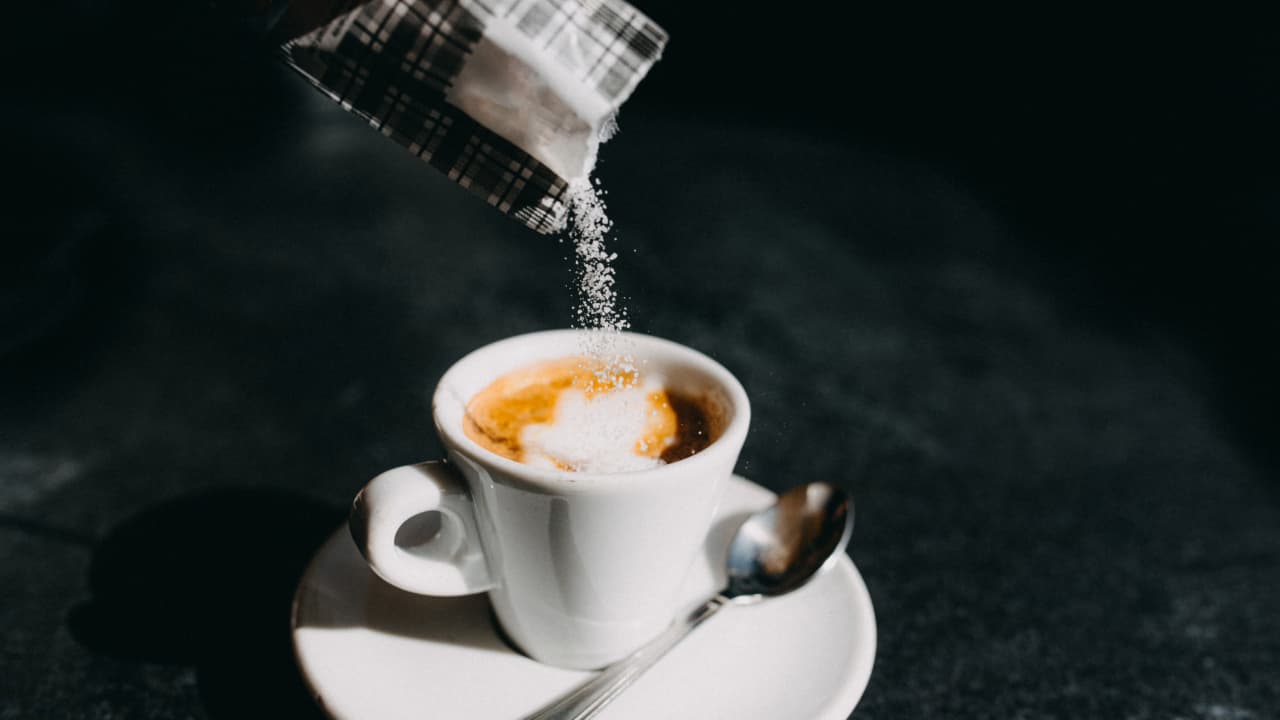
Think sugar-free is safe? New research reveals how the sweetener sorbitol can harm your liver by converting to fructose, posing a risk you need to know about.
Many people choose sugar-free or low-calorie sweeteners because they believe them to be a healthier choice compared to regular sugar. Products containing sweeteners like aspartame, sucralose, or sugar alcohols are often promoted as better options for managing weight, diabetes, and overall health. However, new scientific research is suggesting that at least one of these substitutes might still be harmful to the liver.
A growing body of evidence is now questioning the belief that sugar alternatives are entirely harmless. In particular, a sugar alcohol known as sorbitol, which is often found in “sugar-free” sweets and chewing gum, is now being examined more closely.
What The New Research Shows
The findings are based on a study published in Science Signalling by researchers from Washington University in St Louis, led by Professor Gary Patti. This study builds on years of research exploring how fructose affects the body, especially the liver.
Related Articles

Earlier work from Patti’s team found that when the liver processes fructose, it can sometimes redirect this sugar into pathways that support the growth of cancer cells. Other studies have also linked high fructose consumption to fatty liver disease, which is now affecting around 30 per cent of adults globally.
Sorbitol And Fructose: Closely Linked
One of the most surprising findings is how closely sorbitol is related to fructose. According to Patti, sorbitol is only “one chemical step away” from becoming fructose. Because of this, sorbitol can trigger similar biological effects.
Using zebrafish as a model, the researchers showed that sorbitol does not only come from food. It can also be made inside the body. Enzymes in the gut can produce sorbitol, which then travels to the liver and is converted into fructose.
The researchers also found that the liver can receive fructose through various routes. The specific pathway used depends on the amount of glucose and sorbitol a person consumes, as well as the type of gut bacteria they have.
How Sorbitol Is Made in the Gut
Until now, most research on sorbitol has focused on people with diabetes. In diabetes, high blood sugar levels can lead to excess sorbitol being produced in the body. This is why sorbitol has been long associated with diabetic complications.
However, this new study shows that sorbitol can also be created after a regular meal, even in individuals who do not have diabetes. Although the enzyme that creates sorbitol does not react easily with glucose, glucose levels in the gut can rise sharply after eating. In the zebrafish experiments, these post-meal glucose levels were high enough to trigger sorbitol production under normal conditions. In other words, the body can create meaningful amounts of sorbitol even in the absence of disease.
The Importance of Gut Bacteria
Whether sorbitol causes issues depends largely on the gut bacteria a person has. Certain strains of bacteria can break down sorbitol and convert it into harmless substances. When these bacteria are present and functioning well, sorbitol is less likely to cause damage.
Not everyone has the same mix of gut bacteria. If a person lacks the bacteria that can clear sorbitol, the compound may pass through to the liver. Once there, it is transformed into a form of fructose, raising concerns about liver health.
This is especially concerning for people with diabetes or metabolic disorders, who often rely on foods labelled as “sugar-free.”
When Intake Becomes Too Much
Small amounts of sorbitol, such as those found naturally in whole fruits, are usually not a problem. Gut bacteria can normally handle these levels. Problems begin when the intake exceeds what the bacteria can process.
This can happen in two ways. Eating a lot of glucose can increase the body’s own production of sorbitol. At the same time, many processed foods contain added sorbitol. Even people with beneficial gut bacteria may struggle if both sources are high, as the system can become overwhelmed. Avoiding this overload is becoming harder. Many processed foods contain multiple types of sweeteners at once, and people may not even realize it.
Rethinking “Sugar-Free”
The researchers emphasize that more research is needed to fully understand how sorbitol moves through the body. What is already clear is that sugar alcohols are not always harmless.
Animal studies show that sorbitol can end up in various tissues, including the liver. The broader message is that replacing sugar is not as simple as it seems. There is no perfect substitute, and many pathways still lead back to liver stress. In short, reducing added sweetness of all kinds may be just as important as avoiding sugar itself.