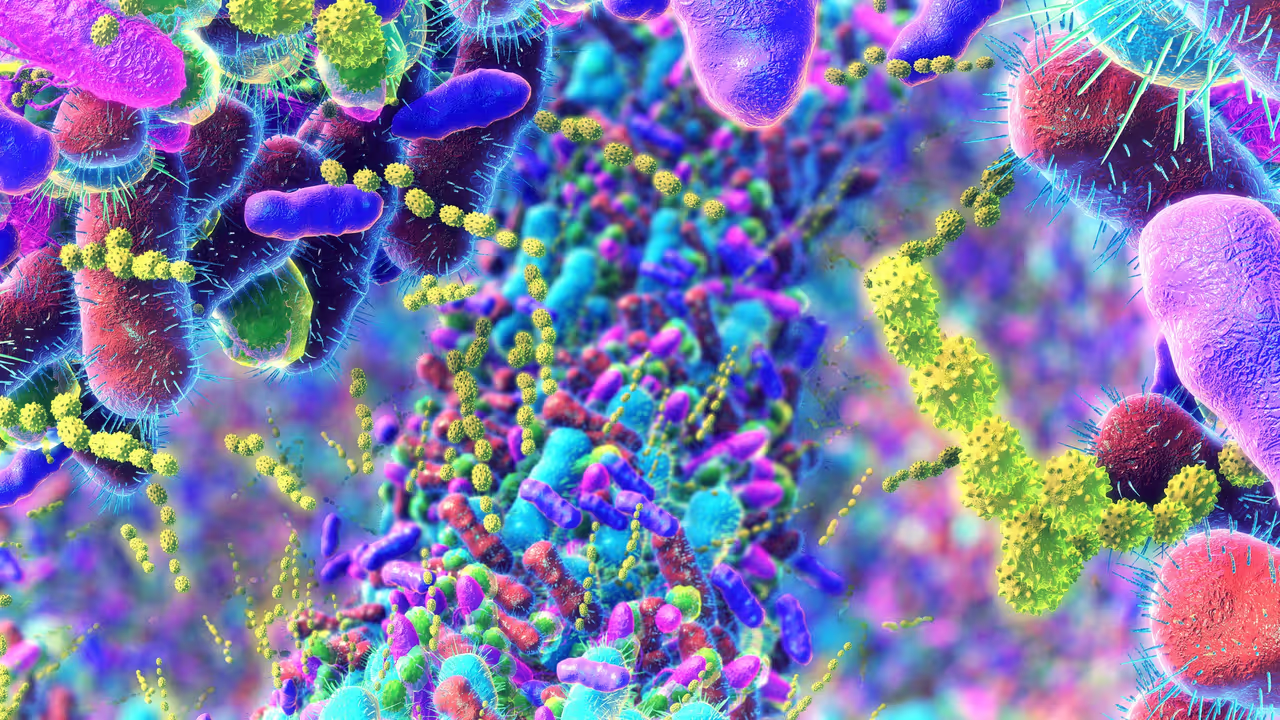
Harvard researchers have identified gut derived metabolites that reach the liver and affect energy use, insulin response, and fat metabolism. Shaped by diet and genetics, these molecules could lead to new treatments for obesity and metabolic disorder
A groundbreaking Harvard linked study has uncovered how molecules made by gut bacteria travel through the body and influence the liver’s ability to regulate energy and blood sugar. These gut-derived metabolites, which shift with diet, genetics, and microbiome composition, may help explain why some people are more prone to obesity and type 2 diabetes. Published in Cell Metabolism, the research offers a promising path toward new treatments targeting the gut liver axis.
Scientists found that these metabolites first appear in the hepatic portal vein, the direct route from the intestines to the liver. Because the liver is responsible for processing nutrients and managing insulin sensitivity, even small changes in the makeup of these molecules can have significant metabolic effects. By comparing blood samples from the portal vein and peripheral circulation, researchers gained an unusually precise view of how gut signals influence liver function.
Diet and Genetics Change the Body’s Metabolic Messages
The study revealed that healthy mice had over 100 distinct metabolites enriched in the portal vein. But in mice genetically prone to obesity and diabetes especially when fed a high fat diet the number dropped sharply. This suggests that both diet and genetic background shape the chemical messages the gut sends to the liver.
Related Articles

Even more striking, mice resistant to metabolic syndrome showed a very different metabolite profile from susceptible mice. This means the gut microbiome’s influence on metabolism depends not only on what we eat but also on how our genes interact with bacterial communities.
New Clues for Preventing Metabolic Disease
To understand which microbes produce these beneficial or harmful metabolites, researchers disrupted the microbiome with antibiotics. The shift increased compounds such as mesaconate, which plays a role in cellular energy production. When liver cells were exposed to mesaconate and similar molecules in the lab, insulin signaling improved, and genes responsible for fat processing were regulated more effectively.
These findings suggest some microbial metabolites could eventually become therapeutic targets. By modifying the gut microbiome or delivering key metabolites directly future treatments may help improve metabolic health, prevent insulin resistance, and manage obesity more effectively.