
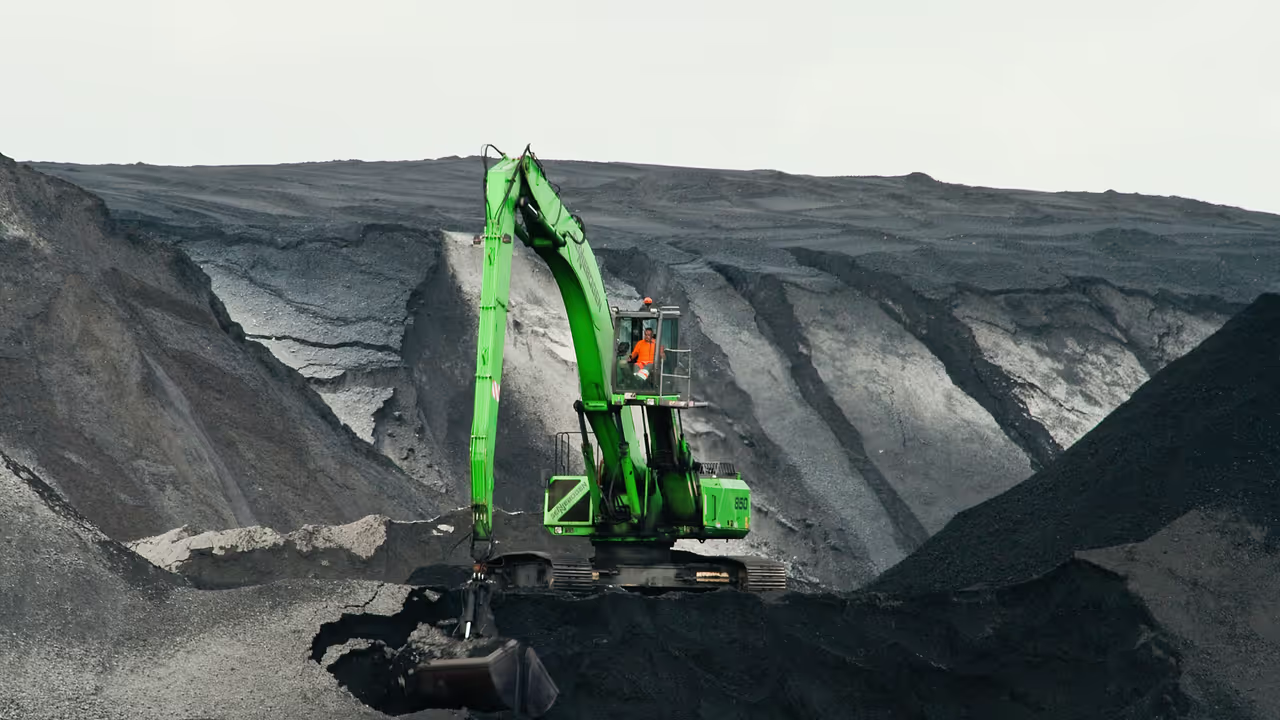
As global climate negotiators gather in Turkey, a community living beside expanding coal operations wants attention focused on the realities of energy transition, environmental change and local livelihoods.
As delegates arrive in Turkey for the COP31 climate summit, residents of a village near a major lignite mining area are calling on world leaders to look beyond conference halls and witness firsthand the communities living with the consequences of decades of coal extraction.
The appeal comes as energy transition policies move to the forefront of climate discussions in Antalya, where governments are expected to debate how countries can reduce emissions while maintaining energy security and protecting jobs.
For villagers living near the Akbelen forest region in southwestern Turkey, the conversation is deeply personal.
Residents argue that the environmental and social effects of lignite mining have transformed both landscapes and daily life. They want international leaders attending the climate summit to visit their communities and see the challenges they say have emerged alongside coal production.
The area has become one of Turkey’s most visible battlegrounds over energy policy. Local residents and environmental campaigners have spent years opposing mining expansion, warning that forests, agricultural land and olive groves face increasing pressure as extraction operations continue.
Many villagers say they have watched mines gradually move closer to their homes over the years. Concerns extend beyond environmental impacts to include the future of local communities and traditional livelihoods.
The issue arrives at a significant moment for Turkey's energy debate.
Coal remains a major source of electricity generation in the country. According to data cited during discussions around COP31, coal supplied roughly one-third of Turkey’s electricity last year, making it one of the largest users of coal-fired power generation in Europe.
The lignite mines in the Akbelen area supply nearby power stations that contribute a smaller but notable share of national electricity production.
As policymakers discuss expanding electrification and reducing emissions, campaigners argue that the environmental costs associated with existing coal infrastructure should remain part of the debate.
Community Protests Highlight Broader Transition Challenges
The dispute surrounding mining operations has also raised questions about protest rights and public participation.
Residents involved in demonstrations say opposition to coal expansion has, at times, led to detentions, legal proceedings and financial penalties. Several villagers describe years of activism aimed at preventing further encroachment into surrounding forest areas.
Environmental groups have similarly expressed concerns regarding restrictions affecting climate and environmental activism.
Human-rights organisations have argued that environmental protesters in different parts of Turkey have faced legal and administrative pressures while campaigning against projects they oppose.
Turkish authorities maintain that law-enforcement interventions occur when demonstrations violate legal requirements or create public-order concerns.
The debate reflects a broader challenge confronting many countries pursuing energy transitions.
While governments seek to reduce reliance on fossil fuels, they must also address employment, regional economic dependence and infrastructure requirements. Turkish officials have acknowledged these complexities, noting that coal-related industries support thousands of jobs.
Authorities have pointed to alternative energy sources, including nuclear power, as part of longer-term strategies aimed at reducing dependence on coal-generated electricity.
Yet for communities situated near existing mining operations, future transition plans do little to diminish present concerns.
Residents argue that discussions about climate policy often focus on global targets while overlooking people living in areas directly affected by extractive industries.








