
A Delhi court has granted 11-day NIA custody to Ukrainian nationals and other foreigners in a UAPA case. Accused of links with insurgent groups in Myanmar, the court cited national security concerns to allow for custodial interrogation.
Ukrainians, Foreigners Remanded to NIA Custody Over National Security Concerns
Highlighting that the allegations have a direct bearing on the "national security and interests of India," a Delhi court has granted 11 days' police custody of several Ukrainian nationals and other foreign accused arrested under the Unlawful Activities (Prevention) Act (UAPA), holding that custodial interrogation is necessary at this stage of the investigation.
The court noted that the FIR contains serious allegations that the accused travelled to prohibited areas in Mizoram, illegally crossed into Myanmar, and established links with ethnic armed groups and proscribed insurgent organisations. It also took note of allegations that the accused were involved in supplying weapons, imparting training, and assisting in drone-related operations. Observing that these aspects "definitely affect national security and interests of India," the court held that the matter cannot be treated as routine in nature.
Court Rejects Defence Challenge on Arrest and Remand
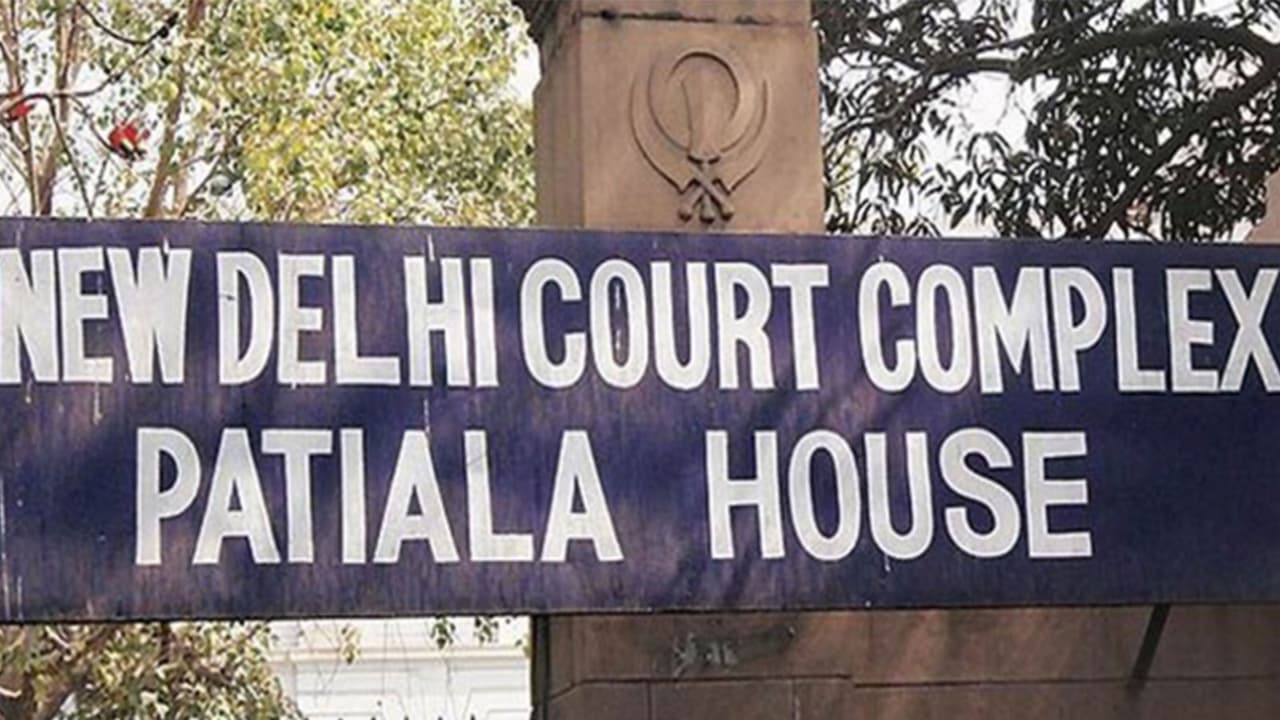
The order was passed by Additional Sessions Judge Prashant Sharma at Patiala House Courts on March 16, 2026, in a case being investigated by the National Investigation Agency (NIA). The accused include Matthew Aaron Van Dyke, along with other foreign nationals.
Rejecting the defence's challenge to the arrest and remand, the court underscored that an FIR "is not an encyclopedia of facts" and cannot be examined in a piecemeal manner at the initial stage of investigation. It further observed that courts are not expected to interfere in an ongoing investigation unless exceptional circumstances are made out, and that criminal conspiracies are "hatched in secrecy and not in broad daylight," necessitating deeper investigation.
No Violation of Procedural Safeguards, Court Finds
The defence had argued that the arrest was illegal, citing non-compliance with procedural safeguards, non-supply of relevant documents, and violation of consular access under the Vienna Convention. However, the court found no merit in these submissions, recording that the grounds of arrest had been duly communicated to the accused in English as well as their vernacular language, with acknowledgement obtained. It also noted that copies were supplied prior to their production before the magistrate and that the Ministry of External Affairs had been informed, with communication received from the Ukrainian Embassy regarding legal representation.
Custodial Interrogation Necessary to Unearth Conspiracy
Upon perusal of the case diary, the court observed that the investigation is still at a nascent stage but has shown progress in recent days. While reiterating that custody orders should not be passed mechanically, the court found that sufficient material exists to justify further police custody in the present case.
Allowing the NIA's plea, the court held that custodial interrogation is necessary to unearth the larger conspiracy, identify accomplices, trace funding sources, and analyse digital evidence, including mobile phones and social media accounts. It also noted that disclosures made during initial interrogation indicate a wider conspiracy involving cross-border activities and links with insurgent groups.
In a significant observation, the court stated that there is "no ground to have suspicion over the manner in which FIR is registered or the manner in which investigation is being done."
Accordingly, the court granted 11 days' police custody and directed that the accused be medically examined every 48 hours and be allowed to meet their lawyers or relatives virtually for 20 minutes on alternate days. The accused are to be produced before the court on March 27, 2026. The court concluded that, given the gravity of the allegations, particularly those involving national security and cross-border links, continued custodial interrogation is justified at this stage, while rejecting all objections raised by the defence.
Senior Advocate Pramod Kumar Dubey, along with Advocates Ankur Saigal, Sandeep Khairwal, Sanjeevani Patjoshi, Satyam Sharma, Ramchandruni B. Siddhartha and Yash Saxena, appeared for the accused persons. Advocate Piyush Sachdeva represented one of the accused as Legal Aid Defence Counsel, while SPP Rahul Tyagi and PP Anil Dabas appeared for the NIA. (ANI)
(Except for the headline, this story has not been edited by Asianet Newsable English staff and is published from a syndicated feed.)