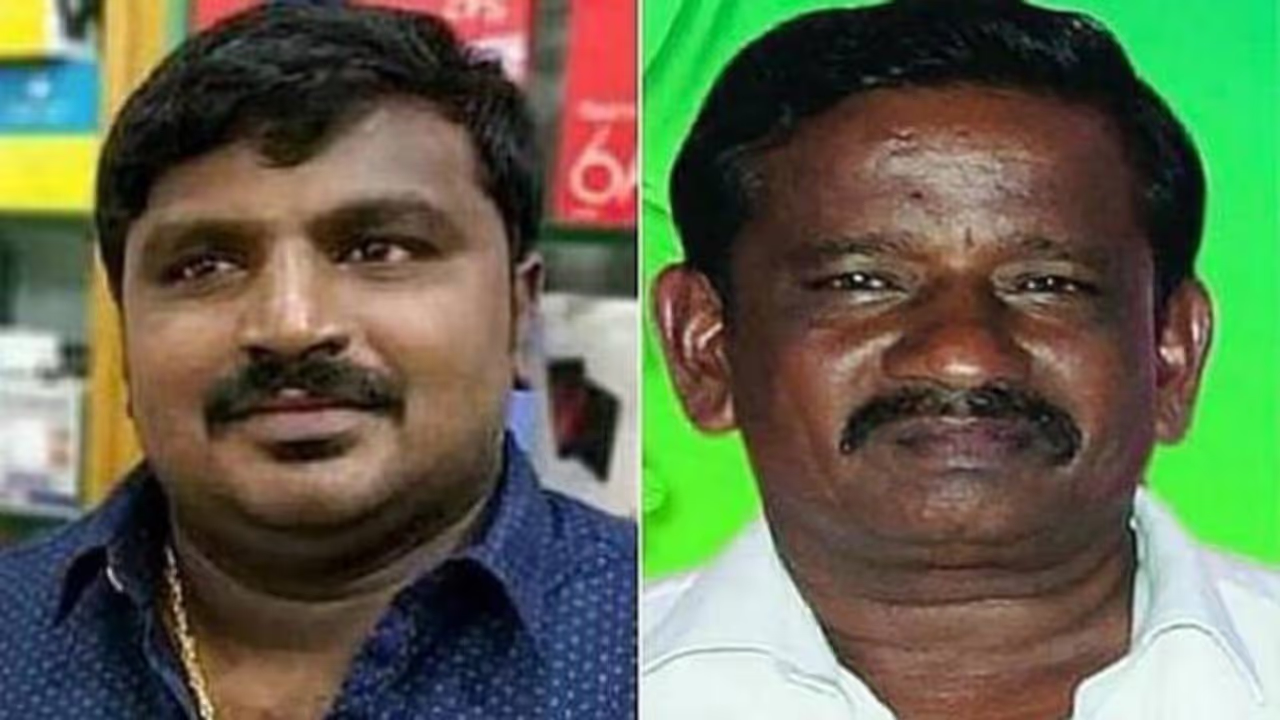
Thoothukudi custodial death case involves the 2020 deaths of a father and son after alleged torture by police in Sattankulam. Nearly 6 years later, a Madurai court sentenced 9 cops to death. Case exposed serious issues of police brutality, lack of accountability and system failures. It led to nationwide outrage and is seen as a landmark verdict.
The Thoothukudi custodial death case is one of the most shocking police brutality cases in India in recent years. It involves the deaths of a father and son, P Jayaraj and J Benicks (also spelled Bennix/Benniks), who died after being brutally assaulted in police custody in June 2020. The incident happened in Sattankulam town in Tamil Nadu’s Thoothukudi district during the Covid-19 lockdown. The case later became a major national issue, raising serious questions about police behaviour and accountability.
Why is the case back in news now?
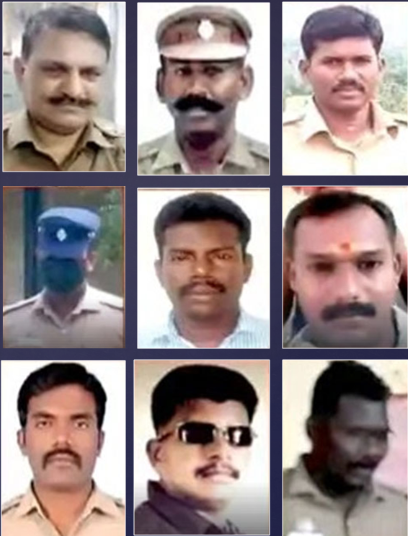
Nearly six years after the incident, a court in Madurai has delivered a strong verdict. On April 6, 2026, the First Additional District and Sessions Court sentenced nine policemen to death.
Judge G Muthukumaran awarded the death penalty after finding all nine guilty of the double murder. This includes an inspector, sub-inspectors, head constables and constables. The name of the convicts are:
Related Articles

- Sreedhar
- Balakrishnan
- Raghu Ganesh
- Murugan
- Muthu Raja
- Samadurai
- Chelladurai
- Thomas Francis
- Veilumuthu
Another accused, a special sub-inspector, had died in 2020 due to Covid-19.
What happened in June 2020?
According to the investigation, Jayaraj, a trader, was picked up by police on June 19, 2020. He was allegedly detained for violating lockdown rules, though later findings suggested he had not broken any rule.
When his son Benicks went to the police station to question the police action, he was also detained.
Both were then kept inside the police station through the night.
Allegations of brutal torture
The Central Bureau of Investigation (CBI) said the father and son were severely beaten in custody. The assault continued for hours. The chargesheet said the accused policemen acted together in a planned way. The violence was allegedly meant to “teach them a lesson”.
Investigators said the two were forced to clean their own blood. Later, a sanitation worker was asked to clean the blood from the station floor to remove evidence.
What happened after the assault?
Despite their serious injuries, a false case was registered against the father and son. Police also managed to get a 'fit for remand' certificate, even though both were badly hurt, reported Indian Express.
They were then sent to judicial custody.
Eyewitness accounts said their clothes were soaked in blood. Family members who saw them were shocked at their condition.
Magistrate remand controversy
One of the most disturbing parts of the case was how they were remanded. According to family members, the two were not properly examined by the magistrate.
They were reportedly made to stand at a distance, and the magistrate remanded them with a simple gesture from upstairs. This raised serious concerns about how injured persons were sent into custody without proper checks.
Deaths in custody
After being sent to jail, their health worsened. Benicks died on June 22, 2020, due to heavy bleeding and injuries. Jayaraj died the next day.
Their deaths caused shock and anger across Tamil Nadu and the country.
Public outrage and court action
The incident led to widespread protests. Traders shut shops, and human rights groups demanded justice.
The Madurai Bench of the Madras High Court took suo motu action on June 24, 2020. The court ordered an inquiry and expressed lack of trust in the local police.
Initially, the CB-CID handled the case, but it was later handed over to the CBI.
Investigation findings
The judicial magistrate who inspected the police station said officers did not cooperate and tried to create fear.
Important records were delayed, and CCTV footage from the day was missing, even though storage was available.
A woman head constable later told the court that the father and son were tortured through the night. Her statement became a key piece of evidence.
Long trial and delays
In March 2021, the High Court asked for a fast trial. However, the case continued for years due to various reasons, including staff shortages and repeated delays. By 2025, many key witnesses had been examined over several hearings.
One of the accused even tried to turn approver, but the request was rejected.
Final verdict and its impact
On March 23, 2026, the court found all nine policemen guilty. Soon after, on April 6, the death penalty was announced. The verdict is seen as a strong message against custodial violence. It shows that even police officials can be held accountable under the law.
The Thoothukudi custodial death case is important because it exposed serious issues in the system. It showed how power can be misused and why strict checks are needed. The case also highlighted the role of courts, investigators, and witnesses in ensuring justice.
The verdict brings some closure, but it also raises a larger question, i.e. how to prevent such incidents in the future.