
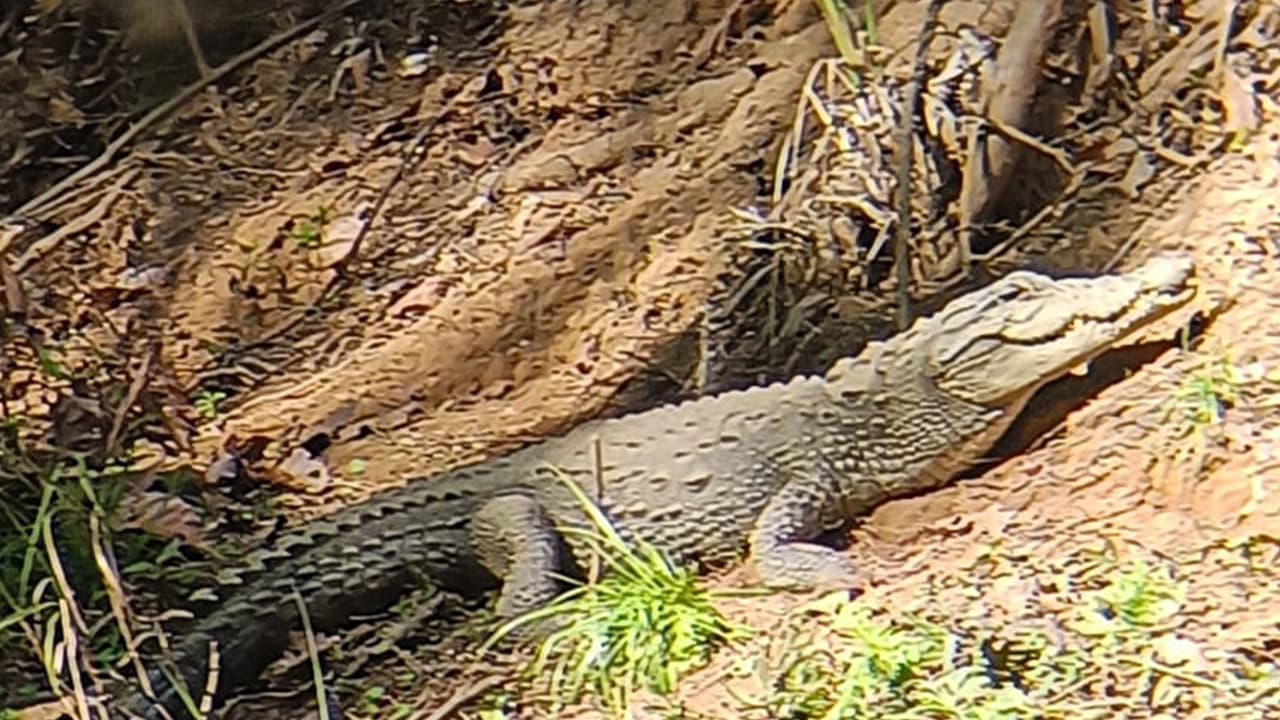
The crocodile census in Odisha's Similipal National Park reported a population increase to 84 from 81 last year. This reverses a recent decline, with the West Deo River having the highest number and conservation efforts proving successful.
The latest three-day crocodile census was conducted in Similipal National Park in Odisha's Mayurbhanj district from January 6 to January 8. The census was conducted on Wednesday and reported an increase in the crocodile population.
According to the latest census, the number of crocodiles has increased from 81 last year to 84 this year. This is a welcome change after a two-year decline.
Crocodile Population on the Rise
The West Deo River is home to the highest number of crocodiles, with 60 spotted there alone. Conservation efforts, including the release of hatchlings from the Ramatirtha breeding centre, are paying off.
This marks an increase of three crocodiles compared to last year's count of 81, reversing a recent trend of slight declines. In 2024, the population stood at 82, down from 86 in 2023, 83 in 2022, and 81 in 2021.
Extensive Census Operation
The census, coordinated by authorities from the Similipal Tiger Conservation Project, covered approximately 20 locations across eight major water sources in and around the sanctuary, including key rivers and streams such as the West Deo, East Deo, Khairi, Khadkhai, Thakthaki, Salandi, Budhabalanga, and the crocodile breeding centre at Ramtirth.
The exercise spanned 16 ranges across the northern and southern divisions of Similipal and involved more than 100 personnel, including rangers, foresters, and field staff, deployed in 30 teams to ensure thorough coverage.
Conservation Efforts Yield Success
Predominantly mugger crocodiles (marsh crocodiles) inhabit Similipal and its surrounding areas. Officials noted that the West Deo River recorded the highest number of sightings, with approximately 60 individuals.
This encouraging rise is attributed to the success of ongoing conservation efforts, particularly the annual release of hatchlings from the Ramtirth crocodile breeding centre at Jashipur of Mayurbhanj into suitable water bodies across the reserve. These reintroduction programs, combined with habitat protection and effective management, have contributed to the gradual recovery and growth of the mugger population in this biodiversity-rich tiger reserve. (ANI)
(Except for the headline, this story has not been edited by Asianet Newsable English staff and is published from a syndicated feed.)