
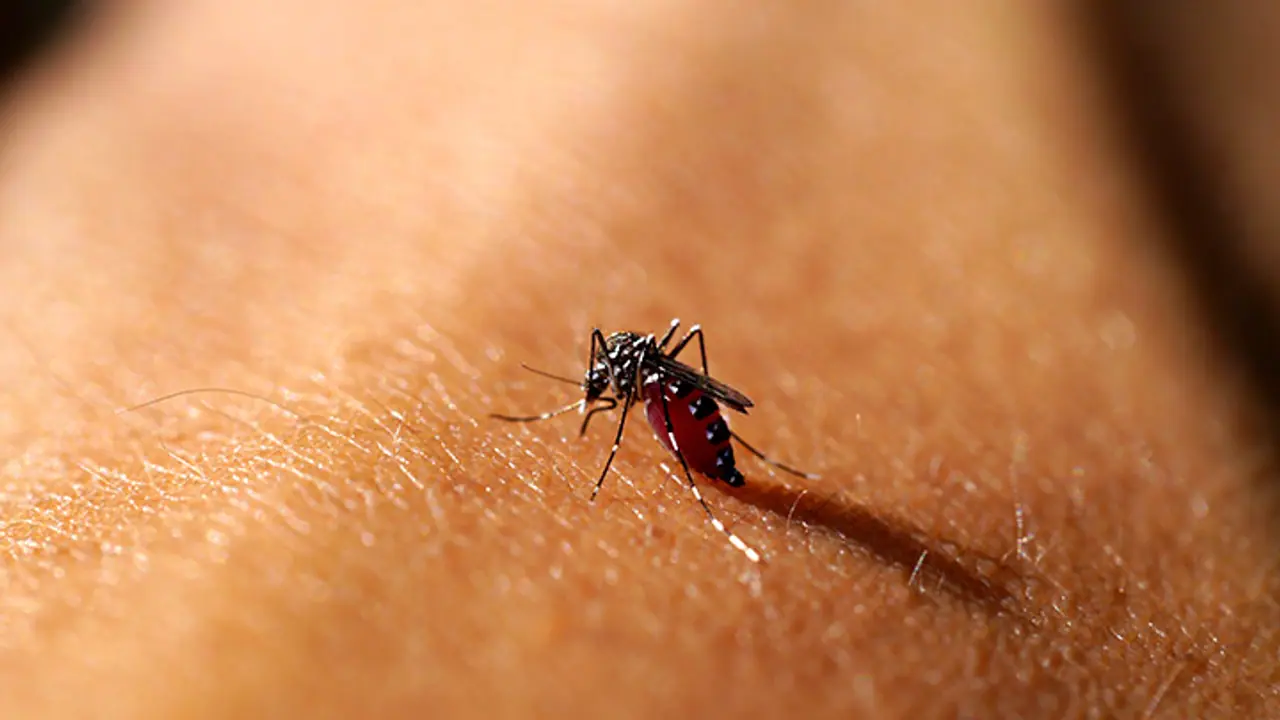
JNU researchers' experimental study will help ongoing global efforts to eliminate malaria
In a breakthrough development in the battle against drug-resistant malaria, researchers of the Special Centre for Molecular Medicine at Jawaharlal Nehru University have come up with a solution that is set to have far-reaching results in healthcare.
They have re-positioned an anti-Hepatitis C drug, Alisporivir, to treat malaria caused by drug-resistant strains against which popular combination therapies have become ineffective.
Also Read: Johnson & Johnson can manufacture baby powder but not sell it in Mumbai; here's why
As the disease, spread by infected mosquitoes, developed resistance to all known therapies, many treatment modalities have been discontinued across the globe.
The findings by the JNU researchers gain great significance in this scenario. Though Alisporivir, a non-immunosuppressive analogue of Cyclospor, is the drug commonly used in the management of organ transplants as an immune-suppressant agent, it has never been tried for the treatment of malaria.
Re-positioning is the process to identify new medical uses for an existing drug. This technique is hailed by the medical fraternity for its speed, cost-effectiveness and safety.
In the study published in the journal Antimicrobial Agents and Chemotherapy, researchers Professor Anand Ranganathan and Shailja Singh point out that Alisporivir showed potential both in blood stage culture and in the mouse model.
The experimental study will be followed up by a clinical trial to establish the effect of the drug in treating malaria, which remains one of the major public health problems in India. The country carries two per cent of the global malaria case burden, two per cent of deaths and 85.2 per cent of the malaria burden in South East Asia. Though the country nearly eliminated malaria in the 1950s, it eventually came back.
According to the latest World Malaria Report, there were 241 million cases of malaria in 2020 compared to 227 million cases in 2019. It is estimated that 6,27,000 persons died of this disease in 2020, recording an increase of 69 000 deaths over the previous year.
Meanwhile, in the US, a cancer drug currently in clinical trials is projected as a cure for malaria. Researchers at the University of Cape Town published their results in a journal in October which claim that the drug can be used in the prevention and treatment of malaria.
Also Read: Millet: Why this Indian superfood is a 'smart' choice for the world
