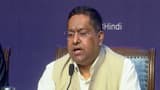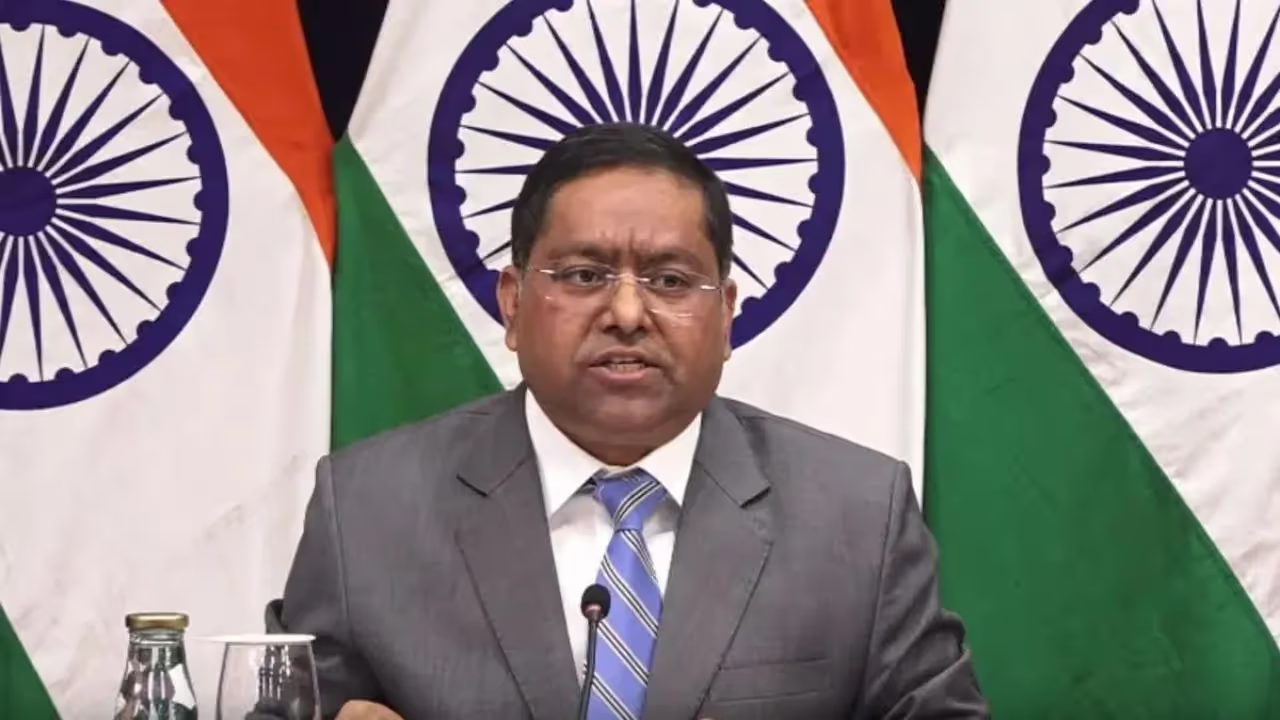
India strongly rejected the USCIRF 2026 report alleging religious freedom violations, calling it biased and politically motivated. The MEA urged the US panel to instead address attacks on Hindu temples and harassment of the Indian diaspora.
India on Monday strongly rejected the latest annual report released by the United States Commission on International Religious Freedom (USCIRF), calling its findings “motivated” and “biased”. The report had raised concerns over the alleged deterioration of religious freedom in India and recommended that the country be designated as a “Country of Particular Concern” (CPC). It also suggested targeted sanctions against certain Indian entities.
Responding to media queries, India’s Ministry of External Affairs (MEA) dismissed the report’s conclusions and questioned the credibility of the commission itself.
India Rejects ‘Distorted’ Narrative
MEA Official Spokesperson Randhir Jaiswal said India firmly rejects the characterisation made in the report.
Related Articles

“We have taken note of the latest report of the US Commission on International Religious Freedom (USCIRF). We categorically reject its motivated and biased characterisation of India," Jaiswal said in a statement.
"For several years now, USCIRF has persisted in presenting a distorted and selective picture of India, relying on questionable sources and ideological narratives rather than objective facts. Such repeated misrepresentations only undermine the credibility of the Commission itself," Jaiswal added.
New Delhi has repeatedly rejected similar assessments by the commission in previous years as well.
India Points to Concerns Within the United States
In a sharp counter, the MEA urged the commission to focus on issues within the United States rather than making what it described as selective criticism of India.
“Instead of persisting with selective criticism of India, USCIRF would do well to reflect on the disturbing incidents of vandalism and attacks on Hindu temples in the United States, selective targeting of India, and growing intolerance and intimidation of members of the Indian diaspora in the United States, which merit serious attention,” Jaiswal added.
The response marks one of the strongest rebuttals from India to the commission’s annual findings.
What the USCIRF Report Said
In its latest report, the United States Commission on International Religious Freedom claimed religious freedom conditions in India worsened in 2025 and recommended that Washington designate India as a “Country of Particular Concern.”
Such a classification is typically reserved for countries that the US government believes are engaged in “systematic, ongoing, and egregious” violations of religious freedom.
The commission also called for targeted sanctions against certain individuals and organisations, including India’s external intelligence agency Research and Analysis Wing (R&AW) and the Rashtriya Swayamsevak Sangh (RSS).
The proposed sanctions include freezing assets and restricting entry into the United States.
Allegations Highlighted in the Report
According to the report, religious freedom conditions in India deteriorated during 2025 as authorities introduced and enforced new legislation allegedly targeting minority communities and their places of worship.
"Several states undertook efforts to introduce or strengthen anti-conversion laws to include harsher prison sentences. Indian authorities also facilitated widespread detention and illegal expulsion of citizens and religious refugees and tolerated vigilante attacks against religious minority communities,” the report said.
It also suggested that future US security assistance and trade policies with India should be linked to improvements in religious freedom.
Reference to Pahalgam Terror Attack
The report also mentioned the April 22 terror attack in Pahalgam in Jammu and Kashmir, in which 26 people were killed.
It said that “three gunmen” attacked a group of “predominantly Hindu tourists in the Muslim-majority territory of Kashmir”.
“The perpetrators reportedly asked the victims to recite the Kalma, an Islamic verse, and killed those who were unable to do so. The attack sparked a five-day conflict between India and Pakistan and intensified anti-Muslim sentiment in India, including targeted attacks,” the report said.
The attack was later claimed by the Resistance Front, believed to be linked to the Pakistan-based terror group Lashkar-e-Taiba.
Calls for US Legislative Action
The commission also urged the US Congress to reintroduce and pass the ‘Transnational Repression Reporting Act of 2024’, which would require annual reporting on alleged acts of transnational repression by the Indian government targeting religious minorities in the United States.
USCIRF Chair Vicky Hartzler said the findings reflect a troubling global trend.
“China arrests underground church members, mob violence is on the rise in India and Pakistan leading to attacks on religious minorities and the destruction of their homes, Burma’s military bombs houses of worship, and Tajikistan denies parents the right to teach their children about fai”
“As USCIRF’s Annual Report shows, far too many people in key nations are denied religious freedom through unjust laws, discrimination, harassment, violence, and even crimes against humanity. The US government must continue to advance religious freedom abroad to make a difference for those facing religious persecution."
A Longstanding Point of Friction
The United States Commission on International Religious Freedom is an independent bipartisan US federal government agency that makes policy recommendations to the US President, Secretary of State and Congress on global religious freedom issues.
However, its annual assessments have frequently drawn strong criticism from India, which maintains that the commission’s conclusions rely on selective and unverified sources.
With the latest report once again triggering a sharp response from New Delhi, the issue appears set to remain a recurring point of friction in the otherwise expanding India–US relationship.