
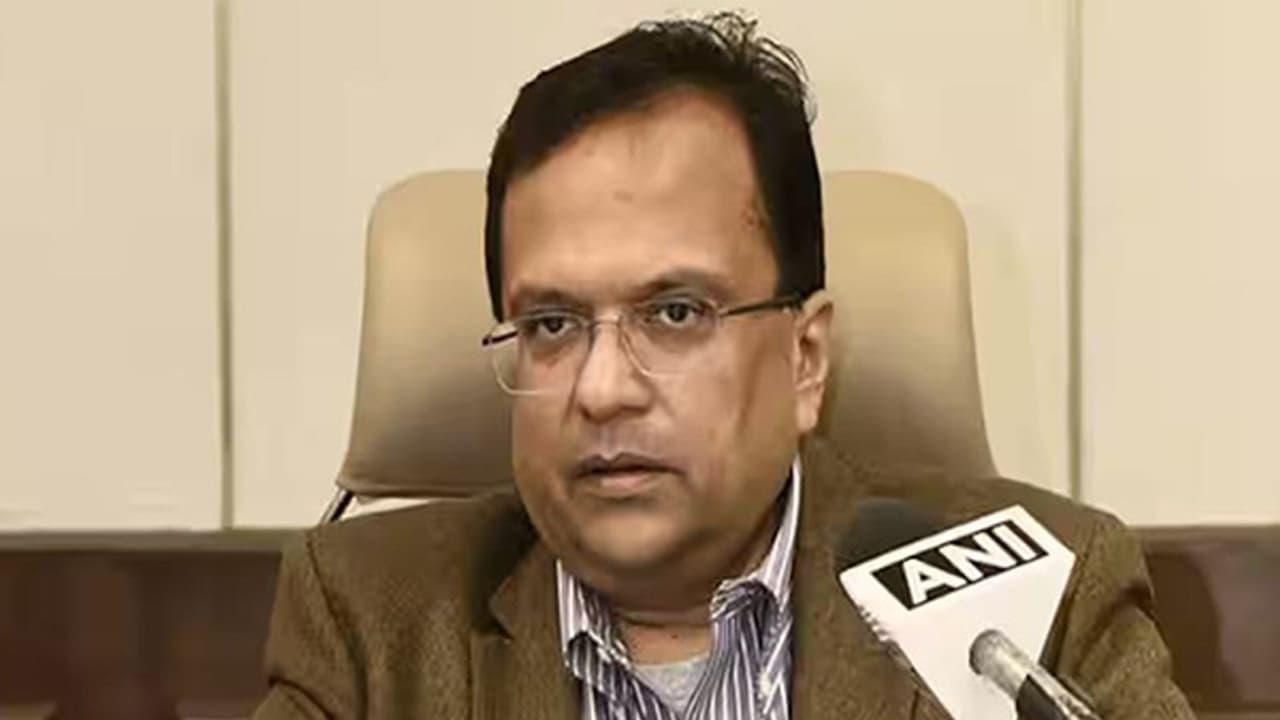
Home Secretary Govind Mohan urged states to form specialised units for prompt investigation of online crimes against women and children. He stressed the need for quick victim support, swift action against perpetrators, and better institutional capacities.
Union Home Secretary Govind Mohan on Friday stressed that states and Union Territories (UTs) must develop robust, specialised units and coordinated response mechanisms to ensure prompt investigation of online crimes, given the increasing challenges posed by such offences.
He also emphasised quick victim support action and swift move against perpetrators while addressing a gathering at the Inauguration of the 'National Dialogue on Online Crimes Against Women and Children (OCWC)' in New Delhi. The event was organised by the Indian Cyber Crime Coordination Centre (I4C), Ministry of Home Affairs, with the objective of bringing together key stakeholders to deliberate on strengthening coordinated mechanisms to prevent and effectively respond to online crimes targeting women and children.
Strengthening Response to Online Crimes
Highlighting the growing challenges posed by online crimes in an increasingly digital ecosystem, the Home Secretary emphasised the need for strengthening institutional capacities at the state and UT-level to combat such offences "effectively".
Govind Mohan also directed law enforcement agencies of all states and UTs to accord "priority to online crimes against women and children and ensure prompt and coordinated response to such cases."
He further urged IT intermediaries to strictly adhere to the provisions of the Information Technology Act and relevant rules, and called upon all stakeholders to work collectively towards ensuring a safe and secure digital ecosystem.
National Dialogue and Capacity Building
The national dialogue provides a platform for knowledge exchange, sharing of best practices, and collective deliberation on building a coordinated national strategy to address the evolving challenges posed by online crimes in the digital environment.
Master Trainers Induction Programme
It also marked the launch of the Master Trainers Induction Programme for states and UTs on online crimes against women and children, aimed at creating a national pool of trained officers who will lead capacity-building initiatives in their respective states and UTs. The programme seeks to equip selected officers with specialised knowledge, investigative techniques, and best practices required to address emerging cyber threats targeting women and children. These officers will further train law enforcement personnel at the state and district levels, thereby strengthening the country's response framework to such crimes.
Key Stakeholders and Discussion Areas
The national dialogue witnessed participation from senior officials from state and UT Law Enforcement Agencies, representatives from concerned Central ministries and departments, social media intermediaries, internet service providers, academia, civil society organisations, legal experts, and student representatives.
During the dialogue, discussions were held on key issues, including emerging trends and patterns in online crimes against women and children, strengthening investigative frameworks and digital forensics capabilities, improving victim support and reporting mechanisms, enhancing coordination with digital platforms for timely removal of harmful content, and promoting multi-stakeholder collaboration for prevention, awareness, and enforcement. (ANI)
(Except for the headline, this story has not been edited by Asianet Newsable English staff and is published from a syndicated feed.)