
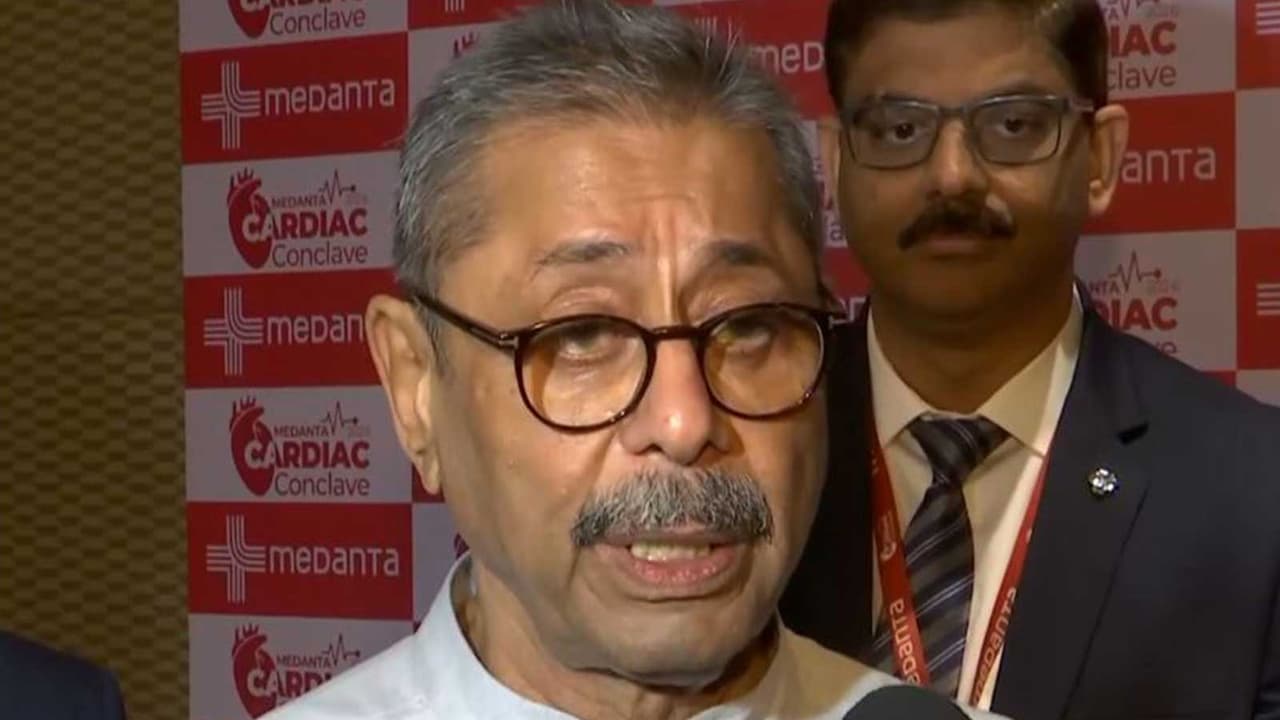
Dr Naresh Trehan of Medanta highlighted that tobacco use, unhealthy diet, diabetes, and obesity are key factors for a rise in heart disease in India. He recommended regular exercise, a healthy diet, weight management, and stress relief for prevention.
Medanta Group Chairman and Managing Director Dr Naresh Trehan on Saturday warned that tobacco consumption in any form is harmful and highlighted smoking, tobacco use, unhealthy diet, diabetes and obesity as key factors contributing to the rising cases of heart disease in India.
Major Causes and Risk Factors
Speaking to reporters in Noida, Dr Trehan said that several factors, including dietary habits, tobacco consumption, diabetes and obesity, are contributing to the increasing cases of heart-related ailments in the country. "Heart disease, specifically coronary artery disease, often referred to as blocked arteries, is rising rapidly in India. There are several reasons for this. One factor is our diet... Smoking and tobacco chewing remain highly prevalent in India; any form of tobacco consumption is harmful," he said.
He highlighted that the country has a significant diabetic population and added that individuals with a family history of diabetes or heart disease have a greater likelihood of developing cardiovascular conditions. "Furthermore, we have a large diabetic population, and the children of parents with diabetes or heart disease face a significantly higher risk of developing heart disease themselves," Dr Trehan said.
Prevention Through Lifestyle Changes
The Medanta chairman said that tackling heart disease requires focusing on environmental conditions, dietary choices and prevention of obesity, which he described as a major risk factor. "We need to address two things: cleaning up the environment and moderating our diet to prevent obesity, as obesity is a major contributing factor," he said.
Dr Trehan also advised people to include regular physical activity and stress management practices in their daily routine. He said even short durations of yoga and Pranayama could help in reducing stress accumulated during the day. "Practising Pranayama or yoga for even 5-10 minutes a day can help eliminate the stress accumulated over the previous 24 hours. We strongly recommend setting aside time daily for exercise; engaging in at least 20-40 minutes of brisk activity," he said.
He urged people to follow a healthy diet, exercise regularly, maintain an appropriate weight and manage stress to reduce the risk of lifestyle-related diseases. "By eating a healthy diet, exercising regularly, managing your weight, and relieving stress, you can protect yourself from these diseases," he added.
Role of Technology in Preventive Healthcare
Dr Trehan further spoke about the role of emerging technologies in preventive healthcare, saying advancements in gene sequencing can help create personalised health profiles for individuals. "With the advent of gene sequencing and advanced technology, it is now possible to create a health horoscope, or a health chart, for any individual," he said.
He added that such personalised health assessments can provide guidance on lifestyle changes required to maintain good health and improve longevity. "Having this insight provides guidance on the lifestyle you should adopt to stay healthy and live a long life," Dr Trehan said.
(ANI)
(Except for the headline, this story has not been edited by Asianet Newsable English staff and is published from a syndicated feed.)