
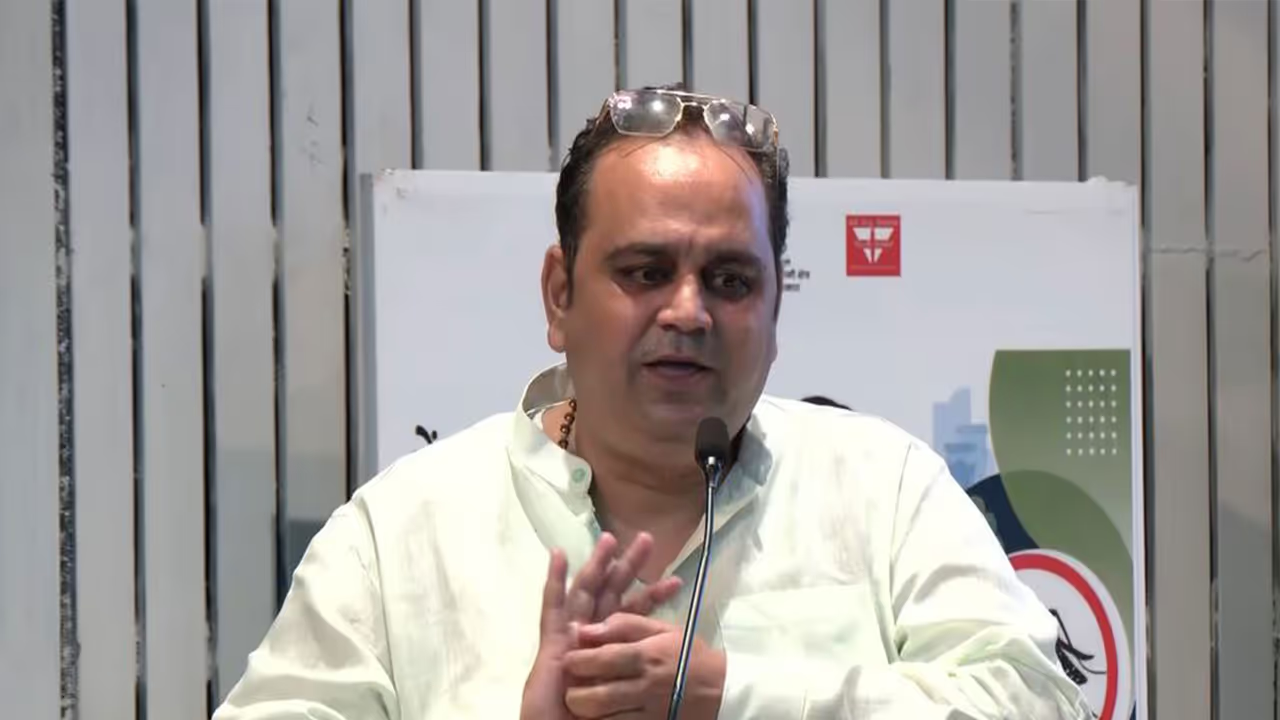
The Delhi government held a workshop for MLAs and councillors to enhance awareness and prevention strategies for seasonal influenza and dengue, urging elected representatives and community groups to take health messages directly to residents.
The workshop, held at the Delhi Secretariat, brought together elected representatives and senior health officials to discuss the symptoms, prevention, early detection and management of H1N1 and dengue. Delhi Health Minister Pankaj Kumar Singh, who led the session, stressed that preventing seasonal diseases cannot be left to hospitals and healthcare workers alone. He called for greater involvement of elected representatives, resident welfare associations, schools, markets and community groups in taking health messages directly to residents.
“The aim is not to create panic, but to ensure that people have the right information and seek timely medical advice and care,” Singh said. The minister also cautioned people against assuming that every episode of fever is linked to H1N1 or dengue. Common viral infections can also cause symptoms such as fever, cough and cold, he said, urging citizens to avoid self-diagnosis and seek medical advice when necessary.
Precautions Against Seasonal Influenza
During the workshop, officials highlighted basic precautions that can help reduce the spread of seasonal influenza. These include regular handwashing, covering the mouth and nose while coughing or sneezing, avoiding close contact with others when experiencing respiratory symptoms and using masks in crowded places. People who fall ill were advised to rest, stay hydrated and consult a medical professional rather than taking antibiotics or other medicines without medical advice. Children, elderly people and those with existing health conditions were identified as groups requiring particular attention during the influenza season. The minister also called for schools to regularly reinforce hygiene, cough etiquette and timely reporting of fever among students.
Preventing Dengue by Targeting Mosquito Breeding
The government also placed emphasis on preventing dengue by stopping mosquito breeding at its source. The Aedes mosquito, which transmits dengue, can breed in even small amounts of stagnant water. Officials urged residents to regularly inspect coolers, flowerpots, rooftop containers, water tanks, discarded household items, tyres and other places where water can accumulate.
Residents were advised to keep water tanks and containers covered and to empty and scrub water-holding containers at least once a week. Unused items and waste that can collect rainwater should also be removed.
Role of Local Representatives
Singh asked MLAs and councillors to work with RWAs, schools, market associations, community organisations and sanitation teams to identify and address local breeding hotspots. The problems related to construction sites, drainage, waste accumulation and waterlogging should also be brought to the attention of the authorities promptly, he said.
Dengue Symptoms and Medical Advice
The minister urged residents not to ignore persistent or high fever and stressed the importance of seeking timely medical advice. Dengue may cause high fever, headache, pain behind the eyes, muscle or joint pain, nausea, vomiting and skin rashes. While most patients recover, some can develop severe dengue and require close medical monitoring.
The government also cautioned against self-medication and unnecessary use of antibiotics. Paracetamol may be used for fever or pain where appropriate, but people should seek professional medical advice, particularly if symptoms worsen. Officials also stressed that the seriousness of dengue should not be judged solely by platelet counts.
Government Preparedness
Reassuring residents, Singh said government health facilities in Delhi are equipped to deal with seasonal diseases, with testing and treatment facilities available for dengue and testing and isolation facilities available for seasonal influenza.
Fostering a Community-Led Prevention Model
The government said the larger objective of the workshop was to make disease prevention a year-round community effort rather than something undertaken only after an outbreak begins. Public representatives were asked to identify vulnerable areas in their constituencies, share verified health information, keep track of sanitation and mosquito-breeding hotspots and work with local organisations to mobilise residents.
“The real success of this workshop will be when its message moves beyond this auditorium and reaches every ward, every neighbourhood and every household,” Singh said. He added that while the Health Department and field teams would continue their work, sustained community mobilisation would require the active participation of elected representatives.
The workshop was organised as part of the Delhi government's preventive-health efforts under Chief Minister Rekha Gupta, with the administration seeking closer coordination between elected representatives, health officials, field workers and local communities. (ANI)
(Except for the headline, this story has not been edited by Asianet Newsable English staff and is published from a syndicated feed.)