
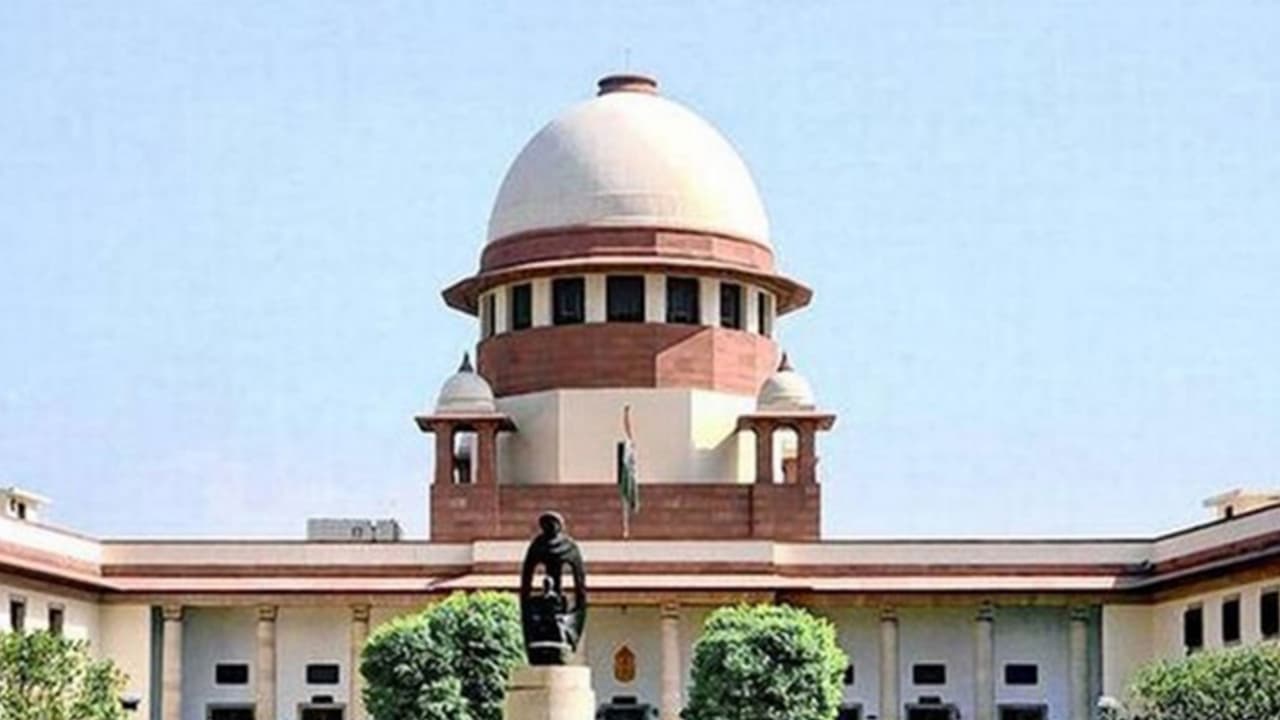
The Supreme Court denied anticipatory bail to a professor accused of verbally harassing a Dalit student who later died by suicide. The court dismissed the professor's plea, terming his alleged conduct 'inhuman' and a potential 'tipping point'.
The Supreme Court on Monday refused to grant anticipatory bail to Kannur Dental College professor Dr M Kodanda Ram, who is allegedly accused of verbally harassing Dalit student Nithin Raj, who died by suicide in April this year.
A bench of Justices Vikram Nath and Sandeep Mehta dismissed the appeal filed by the professor challenging the Kerala High Court's refusal to grant him anticipatory bail.
Professor's Defense
During the hearing, senior advocate DS Naidu, appearing for the professor, argued that the alleged classroom incident had taken place nearly a month before the student's death and, therefore, could not be treated as the immediate trigger for the suicide.
He submitted that about an hour before the student died, he had been reprimanded by the college principal over allegations that he had taken a loan through a mobile application by showing a professor as his guarantor.
Naidu further argued that the allegations did not disclose any caste-related remarks and contended that invoking the Scheduled Castes and the Scheduled Tribes (Prevention of Atrocities) Act in the case would have a chilling effect on teachers seeking to maintain discipline in educational institutions.
Court Rejects Arguments
The Court, however, was unconvinced and verbally noted that the professor's conduct was nothing short of "inhuman".
The Supreme Court, however, was not persuaded by the submissions and orally observed that the professor's alleged conduct was "inhuman".
"'Inhuman' is the only word that comes to mind. How does he address the students?" Justice Mehta asked after referring to the allegations against the professor.
When Naidu maintained that the alleged humiliation had occurred a month before the student's death, the bench observed that it could still have been the tipping point that led the student to take the extreme step.
The Court also rejected the argument that the subsequent reprimand over the loan app issue alone could have driven the student to take the extreme step. "A teacher can't walk away with such behaviour", the Court said.
The senior lawyer submitted that the professor had learnt hisThe senior counsel submitted that the professor had learnt his lesson.
Responding to this, the Court said there was no question of learning a lesson in such a matter. "We won't ask you to read the lines aloud," referring to the alleged remarks made by the professor.
Naidu then argued that the alleged remarks, when translated into English, might not fully convey their original meaning.
The Court, however, remained unconvinced and dismissed the appeal. (ANI)
(Except for the headline, this story has not been edited by Asianet Newsable English staff and is published from a syndicated feed.)