
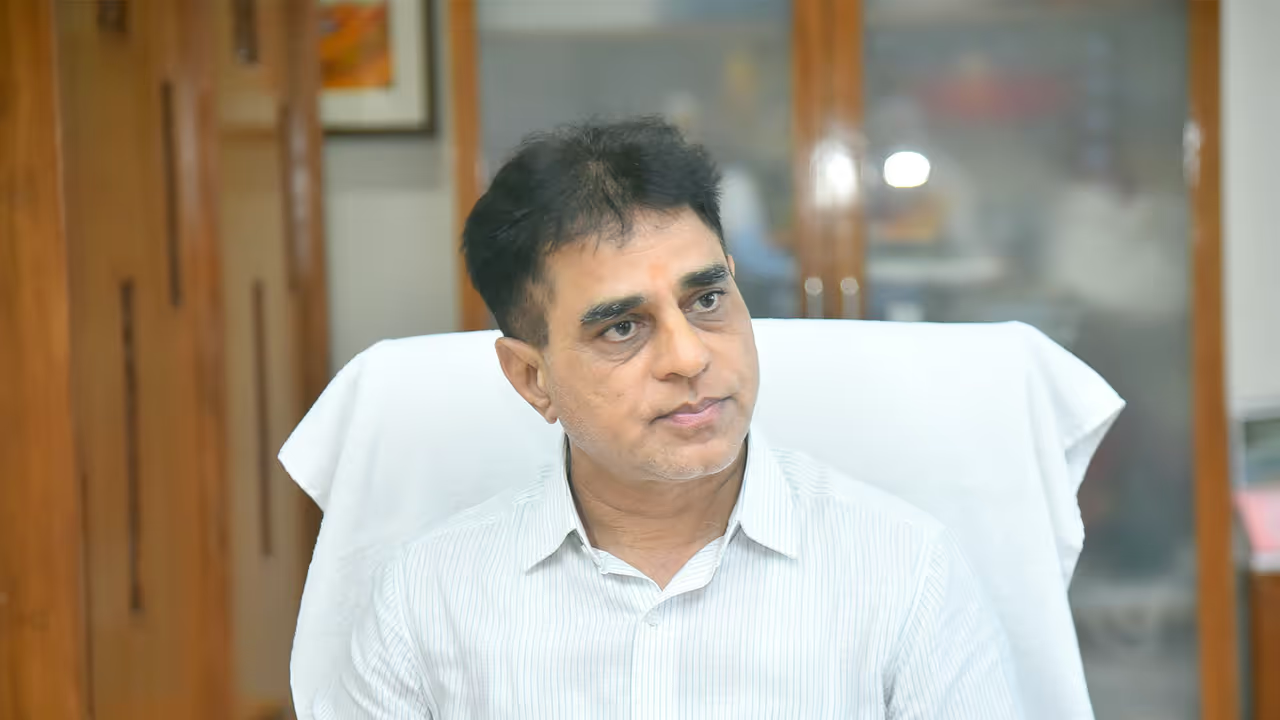
Workshops ahead of CIDSCON-2026 in Gandhinagar trained young doctors on infectious diseases. Experts emphasized judicious antibiotic use, accurate diagnosis, and raised concerns over rising fungal infections and antifungal resistance.
In the lead-up to CIDSCON-2026, the 16th Annual Conference of the Clinical Infectious Diseases Society, being organised at Mahatma Mandir in Gandhinagar, various workshops on important topics were held on Thursday for postgraduate resident doctors and young doctors.
As per the release, during the workshops, experienced and eminent subject experts trained young doctors in the accurate diagnosis of infectious diseases, modern treatment methods and the appropriate use of antibiotics.
Promoting Antibiotic Stewardship
CIDSCON Co-Organising Chairman and Professor and Head of the Department at Shree Swaminarayan Institute of Medical Sciences and Research, Kalol, Dr Harsh Toshniwal, stated that the conference is highly relevant in the present times, as it focuses on fever and various types of infections.
"Through the workshops, young doctors were guided to avoid unnecessary use of antibiotics, use them judiciously and give priority to accurate diagnosis," Dr Toshniwal said, as per the release. He added that antibiotics should be avoided in cases such as viral or seasonal fever to preserve their effectiveness for future generations. Doctors should take a complete patient history, conduct a physical examination and arrive at an accurate diagnosis with the support of appropriate laboratory tests. These workshops have provided a valuable platform ahead of the main CIDSCON conference.
Highlight on Fungal Infections and Antifungal Resistance
Mycology expert Dr MR Shivaprakash attended the workshop as a faculty member to guide young doctors. Expressing concern over the rapidly increasing incidence of fungal infections in the country and growing resistance to antifungal medicines, he emphasised the need for greater awareness of fungal infections and the complexities involved in their treatment.
He stated that while people are aware of antibiotic resistance, it is equally important to understand fungal infections and antifungal resistance. A basic understanding of which antifungal medicines are effective in serious conditions, such as brain infections, is essential. Speaking about ringworm (dermatophytosis), he stated that a decade ago, the infection could be cured with ordinary ointments. However, it has now become increasingly difficult to treat and, despite prolonged treatment, can spread across the entire body and to the scalp. The infection is also spreading rapidly from animals to humans and from person to person, similar to scabies. It is no longer limited to rural areas or economically weaker sections of society. Still, it is also increasingly being reported among urban populations and people who maintain high standards of hygiene. He urged young doctors to ensure accurate diagnosis through appropriate methods and develop a clear understanding of the toxicity and pharmacokinetics of antifungal medicines. He emphasised that antifungal stewardship programmes should be kept separate from antibacterial stewardship to effectively control antifungal resistance.
Perspectives from Experts and Participants
Microbiologist Dr Anjali Shetty, who travelled from Mumbai to guide young doctors, stated that the conference would help spread awareness about infection control, microbiology and infectious diseases across the country. She said that the sessions held today were highly informative and witnessed participation from a large number of doctors.
Dr Chintan Jadav, who participated in the workshop, stated that such workshops provide valuable guidance to young postgraduate doctors in addressing day-to-day challenges in clinical practice and delivering better-quality treatment to patients.
Workshop Modules and Key Topics
Several important workshops were organised covering key aspects of infectious disease management, including ID 360: Mastering the Basics: Guidance on the fundamental principles of infectious diseases, detailed case history-taking and basic examination methods.
Microbiology 360: Diagnostics, Stewardship and Infection Control: Guidance on laboratory diagnosis, appropriate use of medicines and infection control practices in hospitals.
The Zero Defence Challenge: ID in the Immunocompromised: Special guidance on the complex treatment of immunocompromised patients with conditions such as diabetes, kidney failure and organ transplants.
AI and Technology in ID Practice: Guidance on the use of artificial intelligence and modern technology for the diagnosis and treatment of infectious diseases.
ID Issues in Surgical Practice: Guidance on preventing infections during and after surgery, along with the appropriate use of antibiotics. (ANI)
(Except for the headline, this story has not been edited by Asianetnews Editorial staff and is published from a syndicated feed.)