At a primary school in Vithoda village, Gujarat, a new Robo Lab has been launched for students in classes 5-8. Under government support, young learners build and explore robots to bridge the rural-urban gap in education.
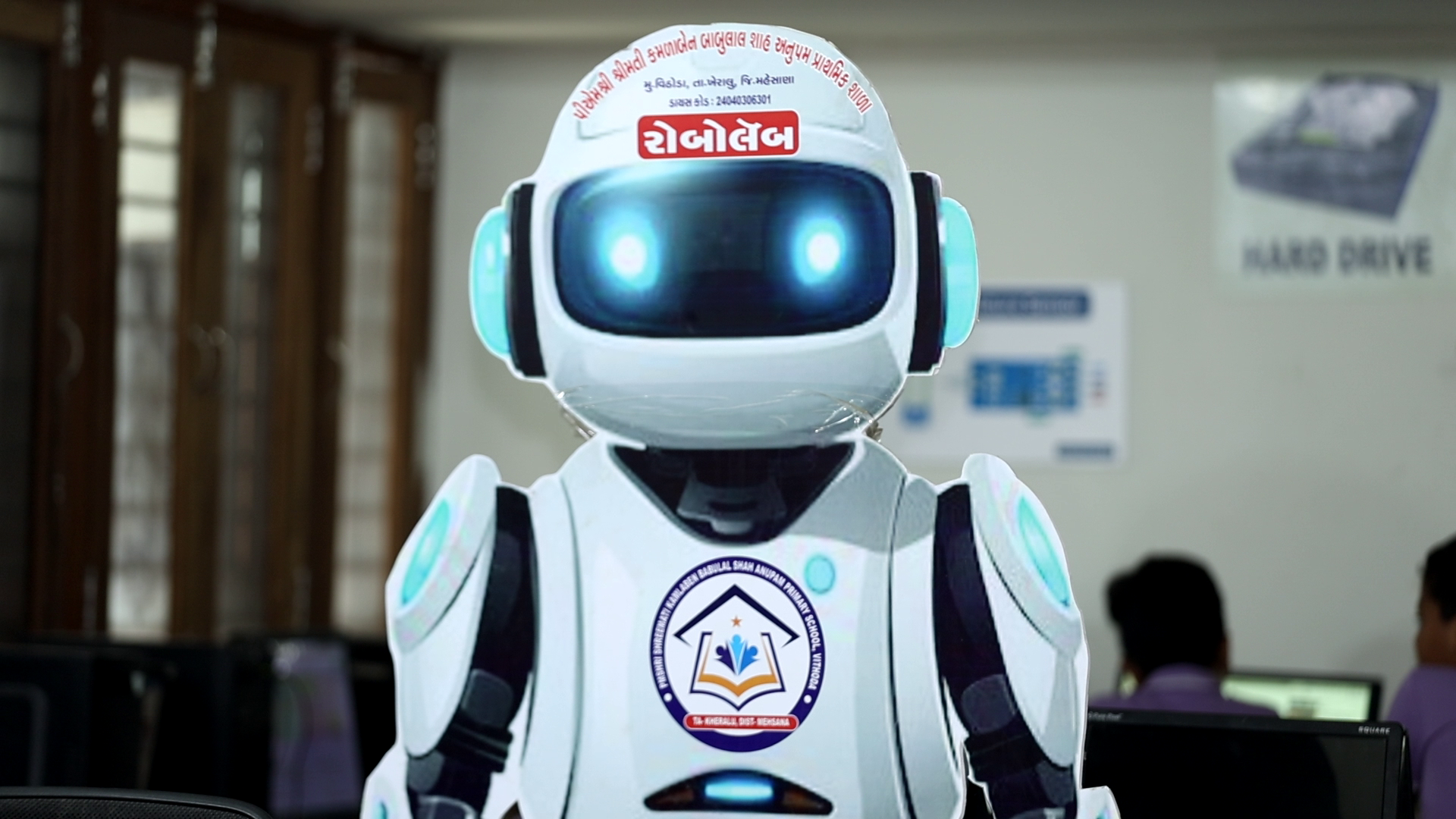
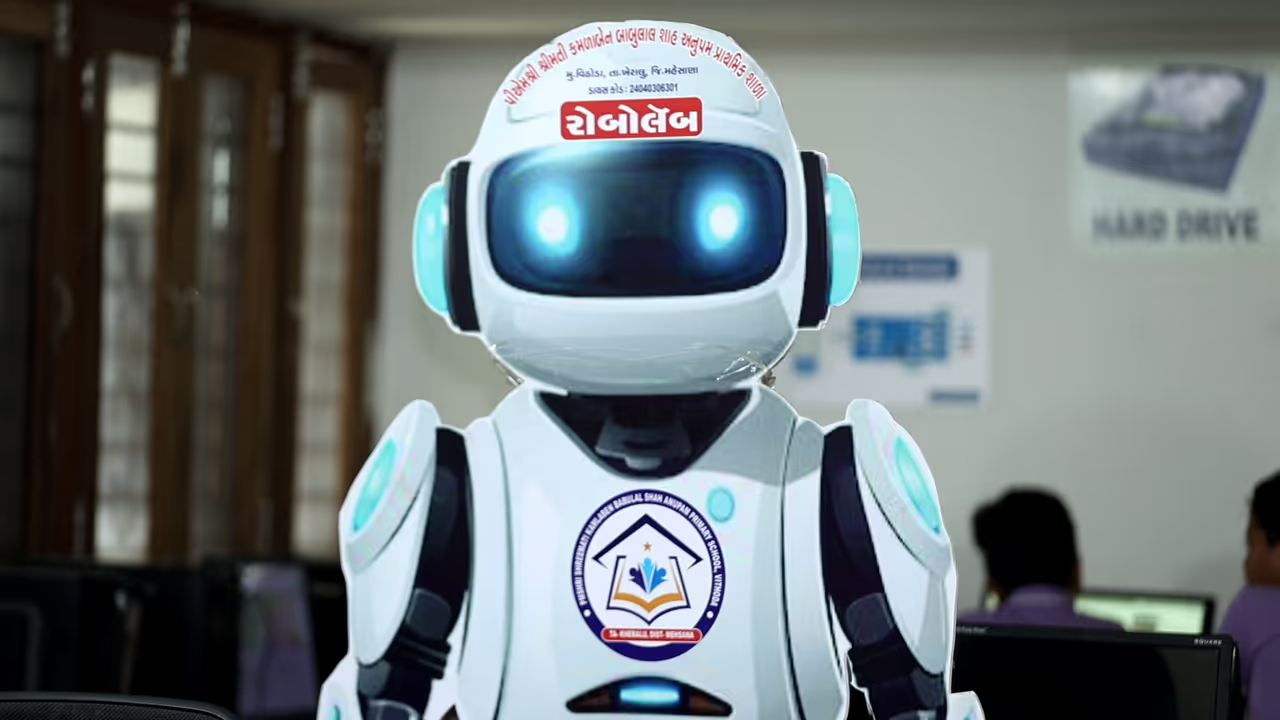
In the quiet village of Vithoda, in Gujarat, the classrooms of the PM Shri K.B. Shah Anupam Primary School are buzzing with excitement. Instead of only reading from books, students are now building and playing with robots. The school has launched a 'Robo Lab' under the PM SHRI scheme, supported by the government and the school's management committee.
How the Robo Lab works
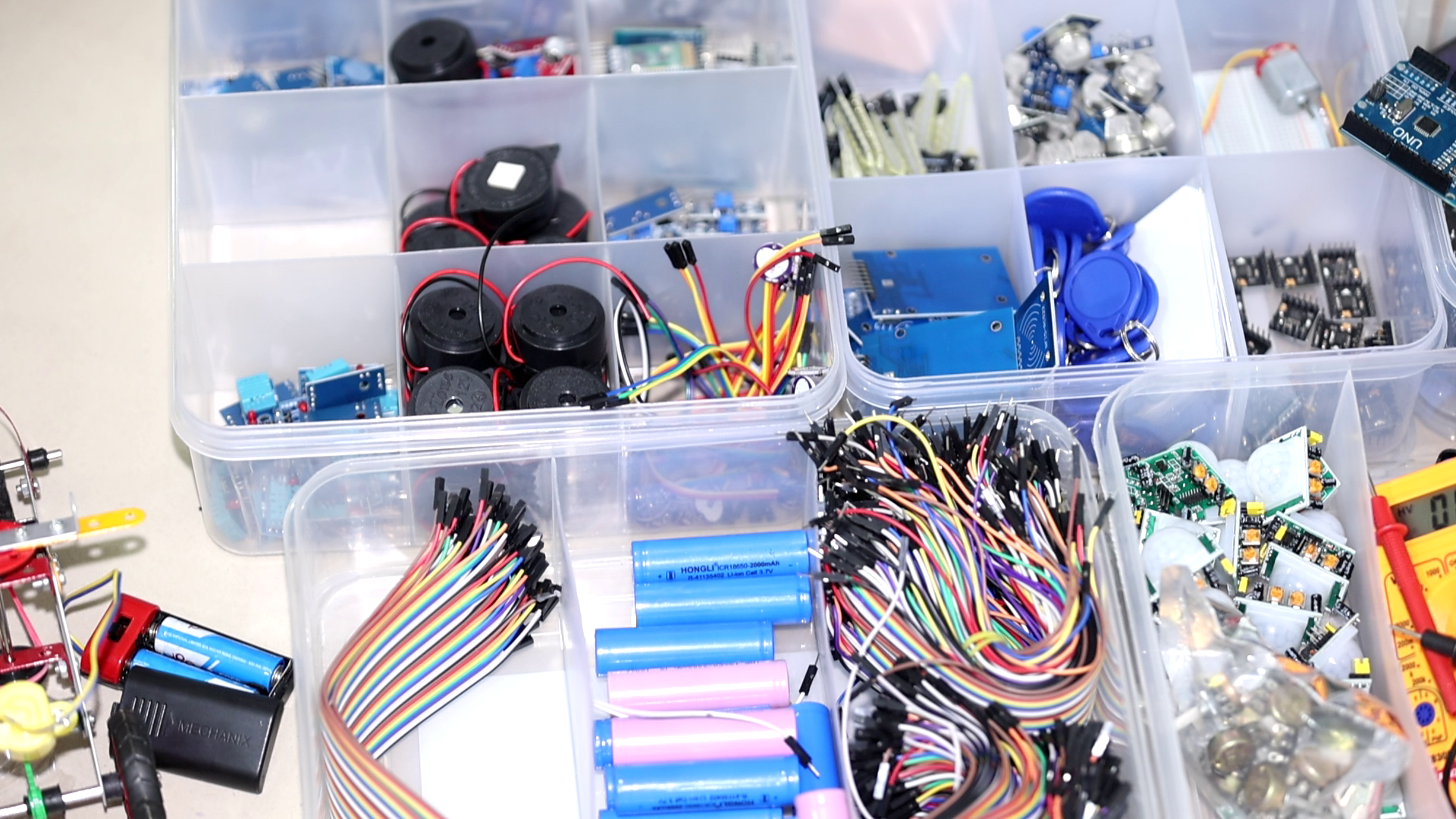
The Robo Lab is open to students from classes 5 to 8. They learn how robots are made, what materials are used and how these machines can be used in everyday life. Robotics teacher Mahendra Kumar Patel explains, "In our school, we are running a Robo Lab where we teach students from classes 5 to 8 how robots are made and what materials are used in building them, starting from the basics."
The learning method centres on 'learning by doing'. Trained teachers guide students through hands-on activities, from understanding sensors to assembling small robotic models that respond to commands.
Related Articles

Students discover technology with joy
One student, Maheta Yana Kalpeshkumar, says, "The robotics that is taught to us, we really enjoy that. We learn how robots work, what can be done with them, and how to make them function using the materials we have at school."
Another student, Devam Rajesh Kumar Pandya, adds, "We have a lot of fun in the Robo Lab. Our teachers teach us how robots are useful in our lives and how sensors and other things are used to make them." For many children in Mehsana district this is their first exposure to the kind of practical, technology-driven learning often found in city schools.
Bridging the rural-urban education gap
Principal Prajapati Kanubhai Bhikhabhail proudly states: "In Gujarat, it is often said that villages are now progressing towards becoming like cities. Keeping this in mind, under the Government’s PM SHRI scheme, our school has started various initiatives such as a Science Lab, Robotics Lab, Maths Lab, Science Exhibitions, and other innovative projects that are helping our students move forward with modern learning."
By bringing robotics to the grassroots level, the state is showing that innovation knows no boundaries. The initiative is helping rural students feel confident about science and technology.
Preparing students for a changing future
In a time when robotics and technology shape our lives, from smart homes to customised care systems, teaching children from a young age to think critically and build solutions matters. Vithoda school's Robo Lab is a step in that direction. As businesses look for young people who can solve problems and adapt to rapid changes, giving rural students access to robotics helps them join the race. The lab lets them experience making and controlling robots, understanding sensors, and seeing how machines and tools can solve real-life problems.
This move in Gujarat promises more than just robotics lessons. It signals that rural schools can deliver modern education, too. Students who learn through building robots will have better analytical thinking and problem-solving skills. They may go on to shape innovations rather than just follow old paths. Ultimately, the goal is to prepare young minds to become future innovators, problem-solvers and contributors to a society driven by science and technology.