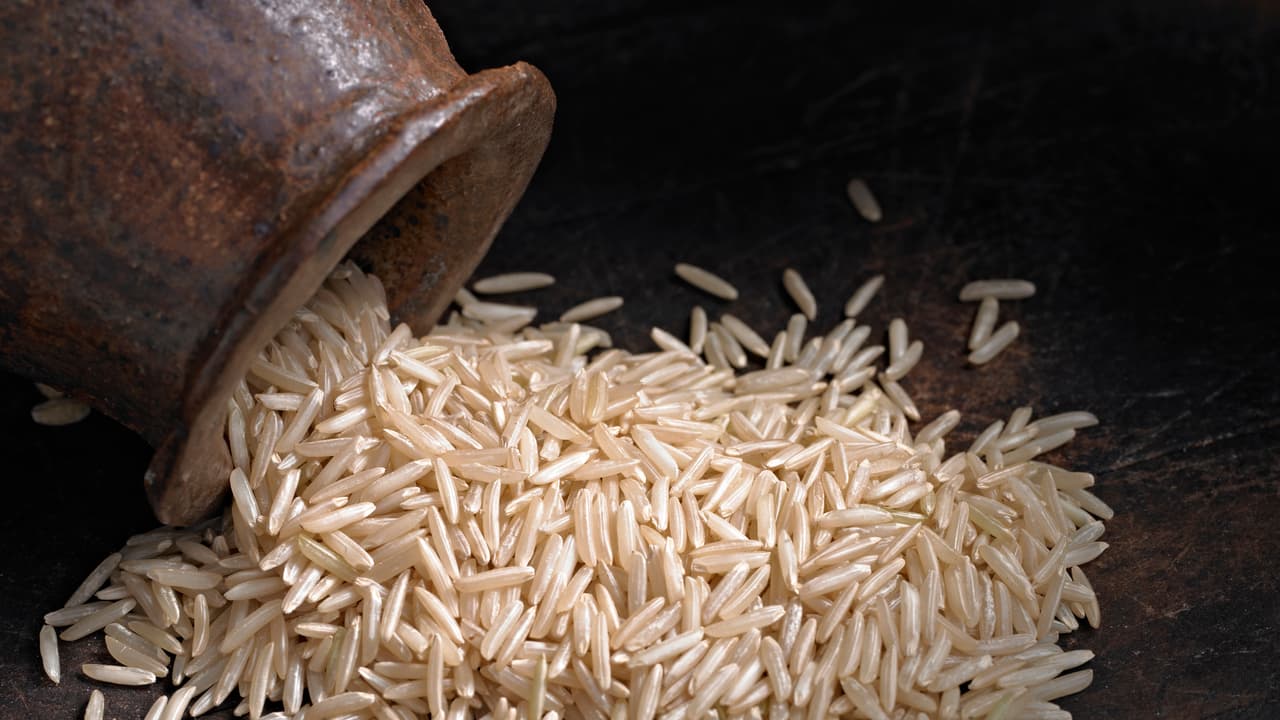
Farmers along the India-Pakistan border in Jammu and Kashmir are urging migrant labourers to return for Basmati sowing after a ceasefire ended days of cross-border shelling following Operation Sindoor.
Facing an acute labour shortage during the crucial Basmati sowing season, farmers along the International Border in Jammu and Kashmir’s RS Pura and Arnia sectors are making urgent appeals to migrant workers to return. This follows intense cross-border hostilities triggered by Operation Sindoor and subsequent Pakistani retaliatory attacks.
With India and Pakistan agreeing to cease military actions on May 10, farmers say normalcy is gradually returning, yet the absence of labourers has left many fields deserted.
Labourers Fled After Shelling
Around 1,000 to 1,500 labourers from states like Bihar, Uttarakhand, Uttar Pradesh, Jharkhand, and Rajasthan fled the region after Pakistani forces launched drone and artillery attacks between May 8 and 10.
Related Articles

“We returned home after 10 days. It was a war-like situation due to firing and shelling. We have started agriculture with domestic help. There is a shortage of labourers,” said Garmeet Singh, a farmer from Abdulian village located barely 400 metres from the Zero Line, was quoted as saying in a PTI report.
Locals Step In as Temperatures Soar
In the absence of outside help, local families have begun sowing Basmati with assistance from villagers and domestic workers. Farming activities are largely restricted to early mornings and evenings due to temperatures soaring to 45 degrees Celsius.
“Due to the shortage of labourers and high temperatures, locals are undertaking agriculture work in the mornings and evenings,” Avatar Singh of Abdulian village told PTI.
Farmers Make Public Pleas
Skinder Kumar of Gulabgarh Basti near the Octerio Border Outpost has publicly appealed to migrant workers to return.
“The firing has stopped. A ceasefire has been announced. Peace has returned. We urge all labourers to return and join us in agriculture activity,” Kumar said, adding that he has started preparing his fields alone with a tractor.
Unexploded Shells Pose New Threat
While the ceasefire has brought some relief, unexploded mortar and artillery shells now pose a deadly risk to returning farmers. Kumar raised concerns over the remnants of the recent shelling.
“There is also the danger of these unexploded shells. They have claimed the lives of farmers in the past during agriculture activity. But this time, the army is clearing the areas,” he noted.
Army engineers and bomb disposal squads have defused over 100 unexploded shells in fields and villages as part of an ongoing clearance operation. The districts of Jammu, Samba, and Kathua — comprising about 1.25 lakh hectares of farmland — fall within Pakistan’s shelling range.
Agricultural Resilience Amid Conflict
Despite recent tensions, villagers in hamlets such as Treva, Mahashe-de-Kothe, Gulabgarh, Suchetgarh, Abdulian, Chandu Chak, Gharana, Bulla Chak, and Korotana Kalan have resumed farming activities. The region typically cultivates Basmati varieties across 17,742 hectares in RS Pura and Arnia.
“I hope labourers will return as most villagers have come back following the restoration of peace,” Avatar Singh said.
Background: Operation Sindoor and Aftermath
The current situation follows heightened military tensions after India carried out precision strikes on nine terror hubs in Pakistan and Pakistan-occupied Kashmir on May 7 in retaliation for the Pahalgam terror attack.
Between May 8 and 10, Pakistan responded with intense artillery shelling, drone, and missile strikes in the Jammu region, killing 27 and injuring over 70 people. Despite India thwarting Pakistan's drone attack with robust air defence systems, several civilians were displaced, taking shelter in government-run relief camps.
A ceasefire understanding was reached on May 10 after four days of military escalation, bringing temporary relief to the conflict-hit region.