
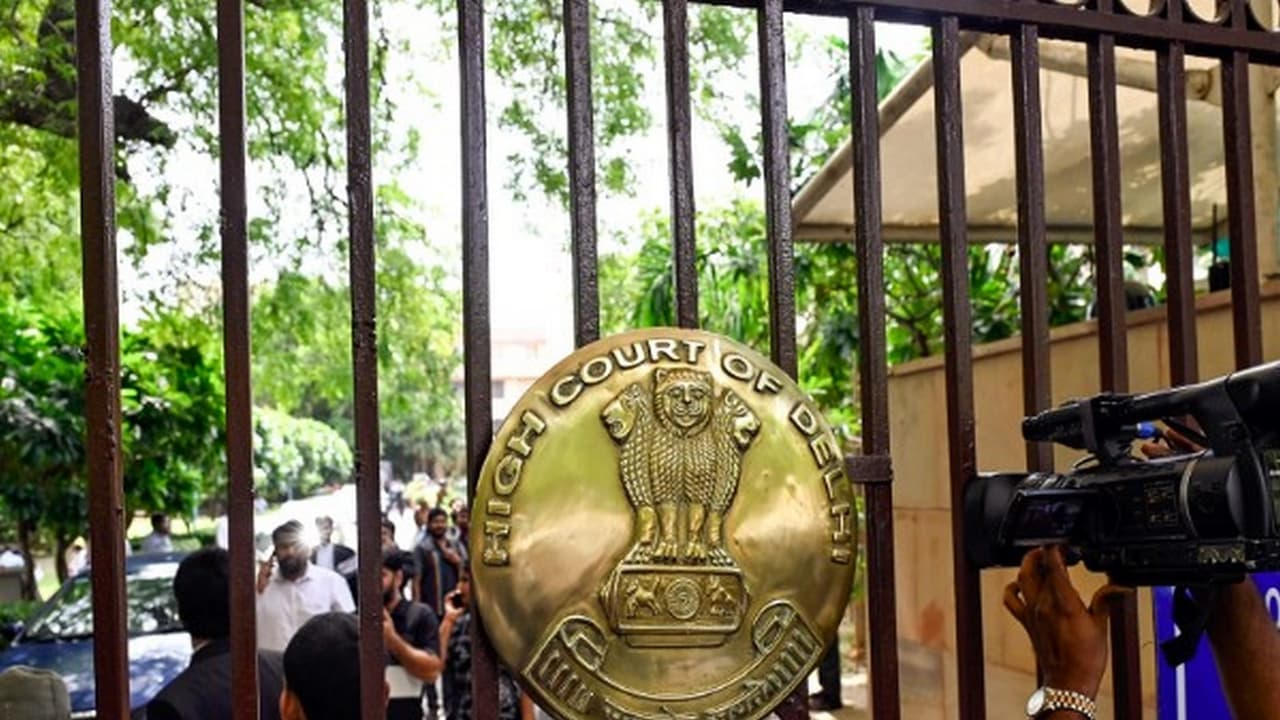
An appeal has been filed in the Delhi High Court challenging a takedown order for content linking Union Minister Hardeep Singh Puri's daughter, Himayani Puri, to Jeffrey Epstein, arguing it's a pre-trial gag order violating free speech.
An appeal has been moved before the Delhi High Court by Raipur-based social and RTI activist Kunal Shukla, challenging a Single Judge's ex parte takedown order concerning Himayani Puri, daughter of Union Minister Hardeep Singh Puri, with the matter slated to be heard by a Division Bench on Monday.
The appeal, filed through counsels Mayank Jain, Madhur Jain, and Arpit Goel, assails the March 16 order passed by a Single Judge of the Delhi High Court directing social media platforms and online intermediaries to remove or block access within India to allegedly defamatory content linking Himayani Puri to convicted American sex offender Jeffrey Epstein.
Grounds for Challenging the Takedown Order
Procedural Violations Cited
The impugned order had been passed in a suit filed by Himayani Puri through advocate Madhulika Rai Sharma, wherein she alleged that a coordinated and malicious online campaign was falsely associating her with Epstein and his criminal activities. Accepting her plea at the initial stage, the Single Judge had granted an ex parte injunction and directed the immediate takedown of the content.
Challenging the legality of this order, the appellant has contended that the injunction was granted without notice and without recording reasons for dispensing with such notice, in violation of the mandatory requirements under Order XXXIX Rule 3 of the Civil Procedure Code. It is argued that the order operates as a blanket pre-trial gag order, restraining speech at the very threshold without affording an opportunity of hearing.
Infringement on Free Speech
The appeal further submits that the Single Judge failed to apply judicial mind and mechanically recorded findings on a prima facie case, balance of convenience, and irreparable harm without any substantive analysis of the material on record. It stresses that courts must exercise caution while granting pre-trial injunctions in defamation matters, particularly where the impugned content is based on publicly available information.
According to the appellant, the content in question is derived from public domain sources, including regulatory filings and international reports, and constitutes fair comment on issues of public importance. It is argued that the impugned order has a chilling effect on free speech and investigative journalism, thereby infringing the fundamental right to freedom of speech and expression under Article 19(1)(a) of the Constitution.
Jurisdictional Objections
The appeal also raises jurisdictional objections, contending that the plaintiff is a foreign citizen residing outside India with no demonstrable reputation within the territorial jurisdiction of the Court, and that no part of the cause of action has arisen within such jurisdiction.
Order Criticised as 'Excessive'
Additionally, the appellant has criticised the order for permitting unilateral identification and takedown of "similar content" by the plaintiff through intermediaries, arguing that it amounts to an abdication of judicial function and bypasses judicial scrutiny. Terming the relief granted as excessive and disproportionate, the appellant seeks the setting aside of the impugned Single Judge's order, vacation of the ex parte injunction, and restoration of the content removed pursuant to the Court's directions. (ANI)
(Except for the headline, this story has not been edited by Asianet Newsable English staff and is published from a syndicated feed.)