Winter Hack: How Malenadu Women Get Idli-Dosa Batter To Ferment Faster
Cold winter mornings often come with an unexpected kitchen challenge: idli and dosa batter that refuses to ferment! While the cold weather slows down the natural fermentation process, Karnataka's Malenadu women have one trick to tackle the problem.
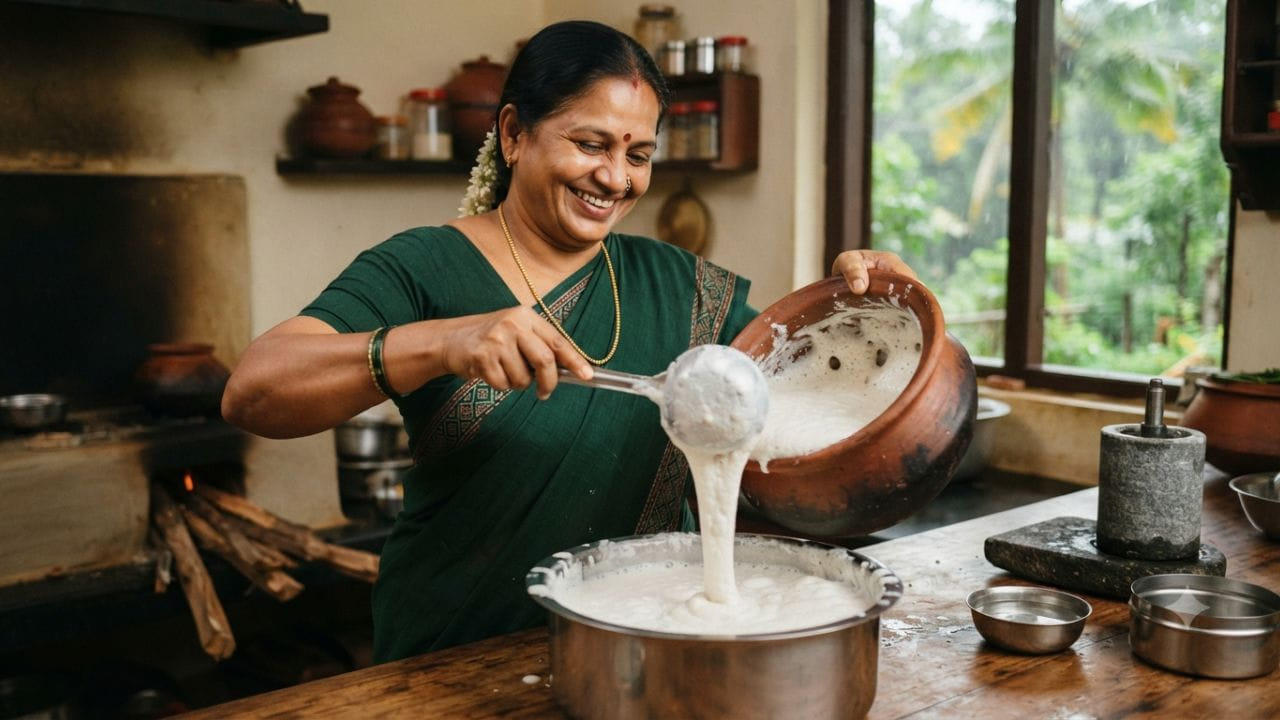
The winter breakfast problem
Winter may bring pleasant weather, but it can make preparing soft idlis and crispy dosas a little more difficult. Batter that usually ferments overnight may remain flat even after 8 to 10 hours. The colder temperatures slow down the activity of naturally occurring microorganisms responsible for fermentation, leaving you waiting longer for your favourite breakfast.


Why does batter take longer to ferment?
Normally, rice and urad dal are soaked separately for around 4 to 5 hours before being ground into a smooth batter. Under suitable conditions, the ground mixture can ferment within another 5 to 6 hours. However, when temperatures drop, the beneficial microorganisms become less active, delaying the process. This is why winter batter often needs extra warmth and time.
The Malenadu women's traditional kitchen trick
Despite experiencing cool weather and frequent rainfall, households in Karnataka's Malenadu region regularly prepare idlis and dosas. Their simple kitchen trick focuses on retaining warmth around the batter. Instead of leaving the vessel loosely covered, they use a cotton cloth to cover its mouth before placing a plate over it. This helps protect the batter from cold air while allowing it to ferment naturally.
How to use the cotton-cloth method
Once the rice and urad dal have been ground and mixed, transfer the batter into a sufficiently large vessel. Tie a clean cotton cloth securely over its mouth and place a plate over it. Leave enough room in the vessel for the batter to rise. The cloth helps keep dust and insects away while the plate provides an additional cover. Remember, fermentation is driven by warmth and naturally occurring microorganisms, not pressure inside the vessel.
Find a warm corner in your kitchen
Where you keep the batter also makes a difference. Choose a warm spot in your kitchen, away from cold drafts. You can place the covered vessel near a stove after cooking, provided the surface is only mildly warm and not hot. Another option is to use an oven that has been switched off after briefly warming it. Avoid overheating the oven or placing the batter near direct heat, as excessive temperatures can affect fermentation.
Bonus tip: If your batter still takes longer to rise, give it a little more time rather than adding excessive heat. A consistently warm environment is the key to naturally fermented, fluffy idlis and delicious dosas.
Explore the latest Lifestyle News covering fashion, wellness, travel, Food and Recipes, and more. Stay updated with trending Health News, fitness tips, and expert insights to inspire your daily living. Discover personalized lifestyle trends that keep you stylish and informed. Download the Asianet News Official App from the Android Play Store and iPhone App Store for everything that adds value to your everyday life.