Vegetable Cleaning Tips: 5 Easy Ways To Remove Dirt And Pesticide Residues
Washing vegetables with plain water may not remove all pesticide residues from their surfaces. A few simple cleaning steps can help reduce residue and dirt, making your vegetables cleaner before cooking.
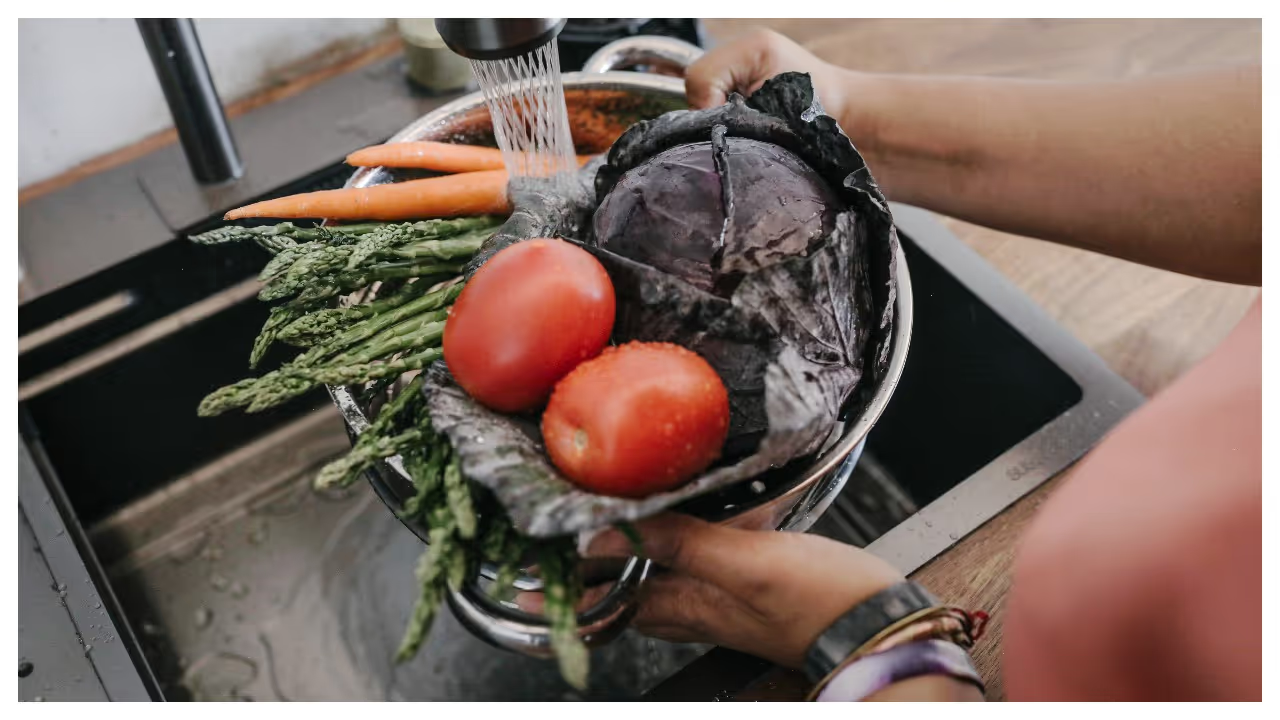
How to clean vegetables properly?
We buy fresh vegetables from the market every day to stay healthy. We usually wash them under tap water before cooking. But plain water does not remove the stubborn pesticides. Farmers spray these strong chemicals to protect crops from insects and pests. These chemicals stick to the skin and do not wash off easily. You invite serious health issues if you cook and eat these unwashed vegetables. You must follow a proper cleaning routine before you chop your veggies. Let us look at the right way to clean them.


Why should you use salt water to wash vegetables?
Salt water works as a mild hypertonic solution. It pulls out harmful pollutants, tiny insects, and chemical residues from the vegetable surface. You will find this method extremely helpful for layered vegetables like cabbage and cauliflower. It also easily removes the stubborn dirt stuck inside leafy greens like spinach.
The right way to clean vegetables with salt water
You need a large bowl filled with clean water first. Add one or two teaspoons of regular salt for every liter of water. Mix it well until the salt dissolves completely. The water should taste mildly salty. Wash your vegetables with plain water once before you put them in this salt solution. Drop the vegetables into the bowl and leave them alone for 10 to 15 minutes. This soaking process forces hidden insects to come out and loosens the chemical coating.
Rub the soaked vegetables gently with your hands. Swirl leafy greens lightly in the water. Take the vegetables out and wash them thoroughly under running tap water. This final wash removes all the leftover salt, dirt, and chemicals.
Dry the vegetables completely before you store them. Keep the washed veggies in a basket to drain the excess water. Wipe them with a clean, dry cloth if you are in a hurry. Dry vegetables always stay fresh for a longer time.
Which vegetables need a salt water wash?
Leafy greens: Spinach, fenugreek leaves, and lettuce.
Layered vegetables: Cabbage and cauliflower.
Hard-skinned vegetables: Cucumber, brinjal, and capsicum.
Root vegetables: Veggies that grow directly in the soil.
Keep these important precautions in mind. Salt water removes only surface chemicals. You can peel the outer skin and buy vegetables from trusted vendors for extra safety. Use a really big bowl so the vegetables submerge completely. Do not soak delicate leafy greens for more than 15 minutes, or they will spoil. Always rinse the vegetables with fresh water after the salt bath before you start cooking.
Explore the latest Lifestyle News covering fashion, wellness, travel, Food and Recipes, and more. Stay updated with trending Health News, fitness tips, and expert insights to inspire your daily living. Discover personalized lifestyle trends that keep you stylish and informed. Download the Asianet News Official App from the Android Play Store and iPhone App Store for everything that adds value to your everyday life.