- Home
- Lifestyle
- Gardening Tips: How To Get Rid Of Houseplant Flies? 5 Simple Tricks Every Plant Lover Should Know
Gardening Tips: How To Get Rid Of Houseplant Flies? 5 Simple Tricks Every Plant Lover Should Know
Discover five simple ways to get rid of houseplant flies, from adjusting your watering routine and using yellow sticky traps to cleaning plant pots and replacing infested soil.
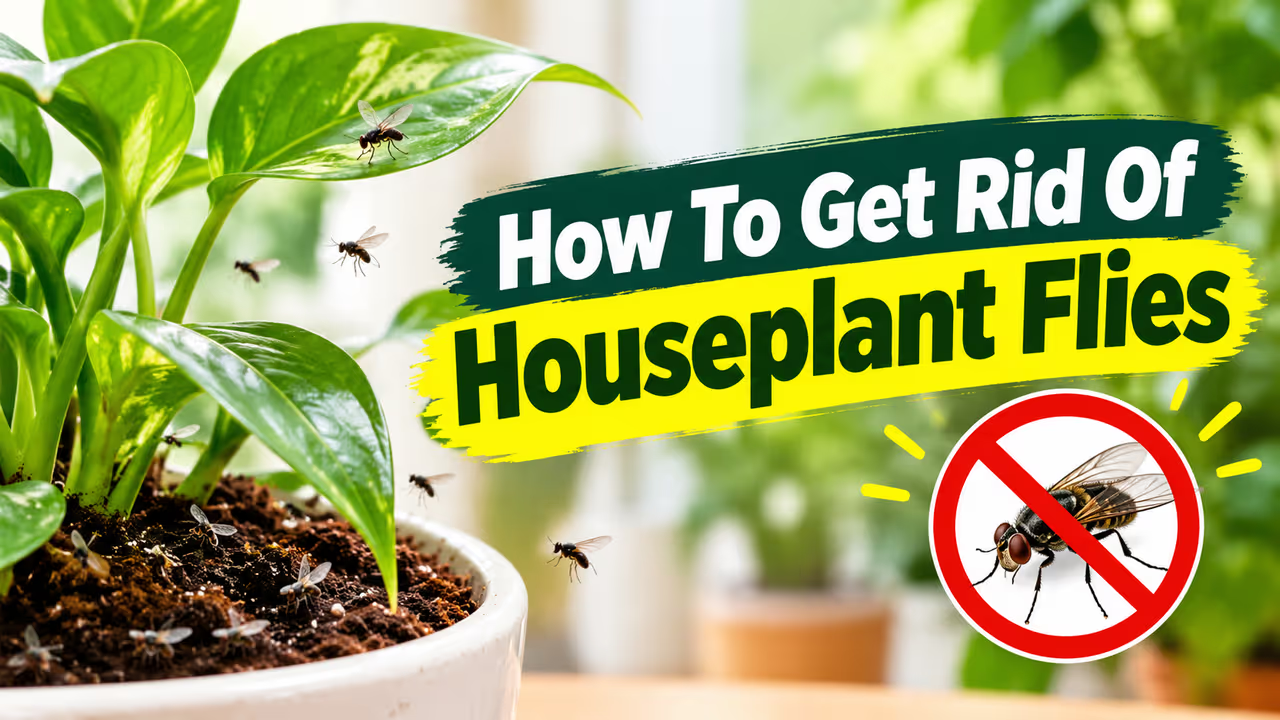
5 useful tips for removing houseplant flies
Tiny flies flying around your favourite indoor plants can be very disturbing. In most cases, these flies will be fungus gnats that thrive in wet potting soils and are harmful to the young plants through larval attacks of the roots. Fortunately, there are some simple changes you can make in your plant care activities that can help.
These are five useful tips for removing houseplant flies from your home and protecting your plants against future occurrences.


1. Allow Soil to Dry Out After Each Watering Session
Overwatering can cause an increase in the number of fungus gnats inside your house. Make sure that the soil on top dries out completely before watering again and at the same time providing enough water to the plant. Remove excess water that accumulates in saucers.
2. Set Up Yellow Sticky Traps
Install yellow sticky traps in proximity to your plants infected by fungus gnats. This trap will decrease the number of the flying pests and serve as a monitoring device. But it won't solve the problem with larvae growing in the soil.
3. Water Plants from Below
If it is applicable, you may want to put your plants in a dish filled with some water, allowing the water to be absorbed through the drainage holes in the pot. The process will enable you to prevent moistness in the soil that may attract gnats.
4. Get Rid of Dead Foliage and Other Organic Debris
Get rid of any fallen foliage and other debris on pots. Ensure that there are no obstructions at the drainage holes, and that no water is allowed to remain standing. Such measures can help create unfavorable conditions for fungus gnats.
5. Replace Infested Soil
If your attempts have been fruitless, you might need to repot your plant into fresh and new potting soil. Do this by carefully removing your plant from the soil to avoid causing too much damage to the roots.
Explore the latest Lifestyle News covering fashion, wellness, travel, Food and Recipes, and more. Stay updated with trending Health News, fitness tips, and expert insights to inspire your daily living. Discover personalized lifestyle trends that keep you stylish and informed. Download the Asianet News Official App from the Android Play Store and iPhone App Store for everything that adds value to your everyday life.