Gardening Guide: 7 step guide to grow scented lavendar at home
Want to fill your home with the soothing scent of lavender? This 7-step gardening guide shows you how to easily grow fragrant lavender at home, whether in pots or garden beds.
Gardening Guide
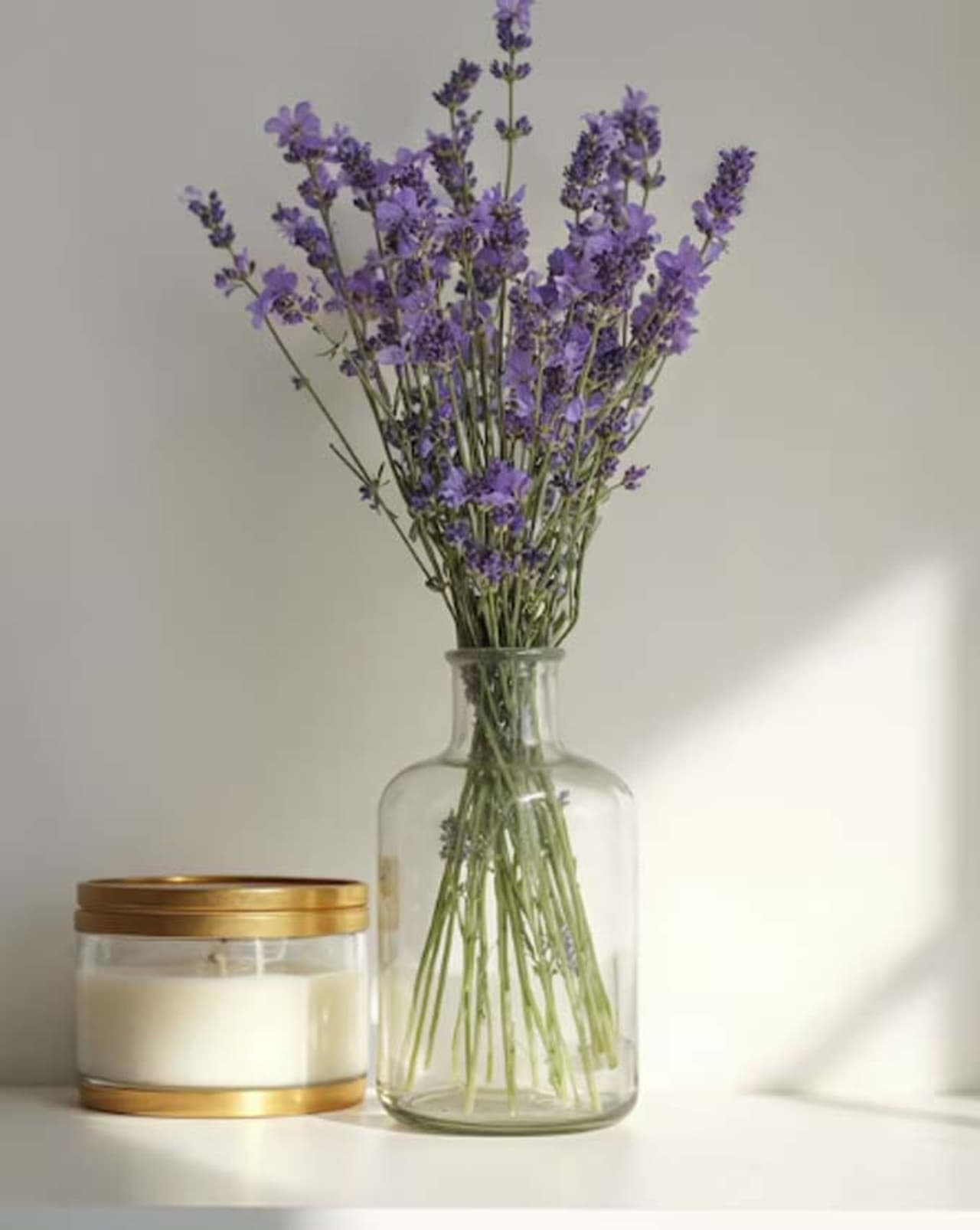
Lavender is more than just a beautiful plant; it charms with its soothing aroma and purple blooms, wards off pests, and calls to pollinators. It has a calming fragrance that fills your space. Wherever you may reside, whether in an apartment with a balcony or in a house with a garden, growing lavender at home is easier than you might think! Here is a simplified seven-step guide to aid you in the successful gardening of lavender.


1. Choose the Right Lavender Type
Lavenders come in several varieties, but English lavender (Lavandula angustifolia) is the most fragrant and excellent for home gardens. Plant it in both pots and garden beds with unlimited options for DIY sachets or essential oils.
2. Pick a Sunny Location
Lavender loves the sun. Make sure to place your plant in a location where it gets at least 6-8 hours of direct sunlight every day. A sunny balcony, window sill, or south-facing garden bed will be perfect for good growth and maximum fragrance.
3. Well-Draining Soil is a Must
Lavender hates having wet roots. Use sandy or loamy soil with some compost and perlite mixed in to help with drainage. If in pots, make sure to have drainage holes at the very bottom to avoid root rot.
4. Watering Wisely
Once grown established lavender can tolerate drought. Therefore, in the beginning, water one to two times a week. Next, as it matures, cut back on the water so that the soil lies dry before the next watering. Saying that, most lavender in good-sized pots will fail from overwatering.
5. Prune Regularly
To encourage bushier growth and more blooms, prune your incense after flowering, which is usually late summer or early fall. Cut off one-third of the plant, but don't cut into the woody stems because this will stunt growth.
6. Fertilize Sparingly
Lavender doesn't require much fertilizer. Too much fertilizer will yield lots of leaves but fewer flowers. About once in early spring, you can use a balanced organic fertilizer or just mix some compost into the soil prior to planting.
7. Harvest and Enjoy the Aroma
Once the buds have formed but before they start to open, cut the flower stems, using scissors. Bind them into small bunches and hang them upside down in a cool, dry place. This will allow the flowers to dry for use in potpourri, DIY oil-infusions, or as natural air fresheners.
Explore the latest Lifestyle News covering fashion, wellness, travel, Food and Recipes, and more. Stay updated with trending Health News, fitness tips, and expert insights to inspire your daily living. Discover personalized lifestyle trends that keep you stylish and informed. Download the Asianet News Official App from the Android Play Store and iPhone App Store for everything that adds value to your everyday life.