
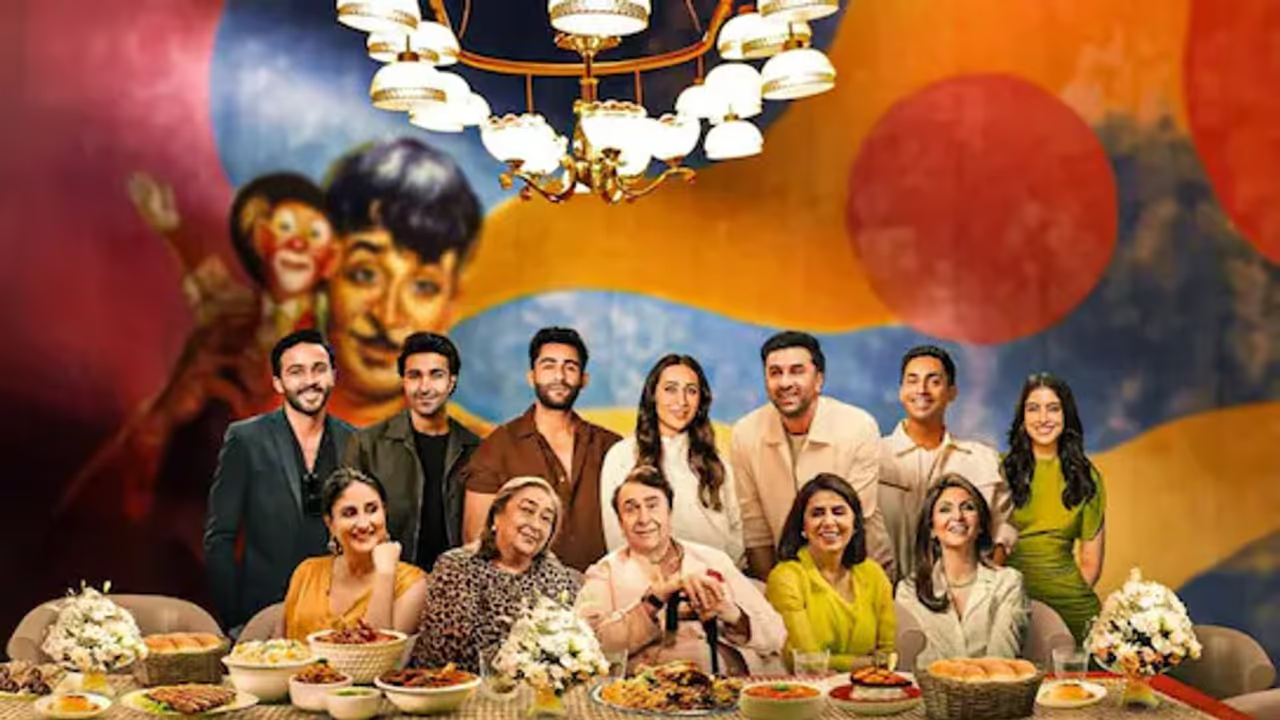
Bollywood families like the Kapoors, Bachchans, Deols, Roshans and Chopras continue to shape Indian cinema through legacy, influence and cultural memory. This feature explores why film dynasties still captivate audiences across generations.
India’s fascination with Bollywood families goes far beyond celebrity gossip or nostalgia. These families represent continuity in an industry built on reinvention. They offer audiences something rare in popular culture: a living lineage where talent, fame, failure and legacy unfold across generations in public view. Long after individual films fade from memory, family names continue to carry emotional weight, recognition and cultural authority.
The Kapoor family stands as the original blueprint. Prithviraj Kapoor laid the foundation of modern Hindi theatre and cinema in the early twentieth century. Raj Kapoor transformed Hindi cinema into an emotional language of its own with films like Awaara, Shree 420 and Mera Naam Joker. His children Randhir Kapoor, Rishi Kapoor and Rajiv Kapoor carried forward the screen presence into the next era, while grandchildren such as Karisma Kapoor, Kareena Kapoor and Ranbir Kapoor continue to dominate contemporary cinema. The Kapoor lineage reflects how cinema itself evolved from black and white romantic idealism to modern celebrity culture.
Equally influential is the Bachchan family. Amitabh Bachchan’s rise from struggling actor to the face of the angry young man era redefined masculine stardom in the seventies and eighties. His sustained relevance through television, endorsements and character roles has kept him culturally central for decades. Jaya Bachchan brought serious acting credibility, while Abhishek Bachchan carved his own path through films and streaming projects. Aishwarya Rai Bachchan added global visibility to the family brand, reinforcing the idea that these dynasties operate not only as film families but as cultural institutions.
The Deol family offers another dimension of legacy. Dharmendra symbolised romantic heroism and earthy charm across multiple decades. Sunny Deol embodied mass appeal and muscular nationalism in films like Ghayal and Border. Bobby Deol experienced early stardom, career decline and later reinvention through streaming successes. The next generation including Karan Deol and Rajveer Deol reflects how legacy continues to shape opportunity even as audience expectations evolve.
The Roshan family demonstrates the transition from musical legacy to superstar branding. Roshan Lal was a respected composer. Rakesh Roshan became a filmmaker who built franchises and scale driven cinema. Hrithik Roshan emerged as one of the most visually iconic stars of the modern era, blending dance, action and vulnerability into a unique screen identity. Their story shows how technical skill, production power and star presence merge within families.
The Mukherjee Samarth family connects multiple eras of performance excellence. From legendary actress Suchitra Sen to Tanuja, Kajol, Rani Mukerji and now younger generations, this lineage reflects the continuity of female stardom and performance driven credibility. Their presence reinforces that legacy is not only masculine or commercial but deeply artistic.
The Chopra family shaped Hindi cinema from behind the camera. Yash Chopra established romantic visual language and emotional spectacle. Aditya Chopra modernised studio driven filmmaking through Yash Raj Films, building long term talent ecosystems and global distribution strategies. Uday Chopra’s acting career may not have matched the studio’s scale, but the family’s industrial influence remains unmatched.
The Bhatt family represents a different kind of dynasty rooted in creative risk. Mahesh Bhatt pioneered emotionally intense storytelling in the eighties and nineties. Pooja Bhatt navigated early stardom and production. Alia Bhatt emerged as one of the most successful actresses of her generation, balancing commercial success with performance driven roles. Their journey highlights how legacy adapts across creative generations.
The Akhtar family embodies literary and cinematic influence. Javed Akhtar reshaped Hindi film writing with poetic dialogue and socially rooted storytelling. Farhan Akhtar emerged as actor director and producer, while Zoya Akhtar became one of the most influential storytellers of contemporary cinema. Their collective impact reflects how authorship and intellectual legacy shape industry culture.
Even families like the Kumar household, represented by Akshay Kumar and now his children entering public visibility, demonstrate how modern celebrity lineage continues evolving beyond traditional studios into brand driven stardom.
What makes these families fascinating is not simply privilege or access. It is the way audiences witness ambition, reinvention, rivalry, success and vulnerability across generations. These stories mirror Indian family structures themselves, where legacy, expectation, rebellion and continuity coexist.
There is also comfort in familiarity. Audiences grow up watching one generation and later see their children step into similar spaces. It creates emotional continuity in an otherwise rapidly changing entertainment landscape. Viewers feel a sense of participation in these long arcs, almost as if they are watching extended relatives evolve.
At the same time, dynasties provoke debate. Questions around nepotism, access and fairness continue to shape public conversation. Yet even criticism keeps these families culturally central. Fascination survives because legacy invites both admiration and interrogation.
Bollywood families endure not merely because of surname power, but because they embody the story of Indian cinema itself. They reflect its growth, contradictions, resilience and emotional memory. As long as cinema remains deeply intertwined with family storytelling in Indian culture, these dynasties will continue to captivate imagination.
They are not just families on screen. They are chapters of a collective cultural autobiography that India keeps rereading.
