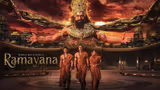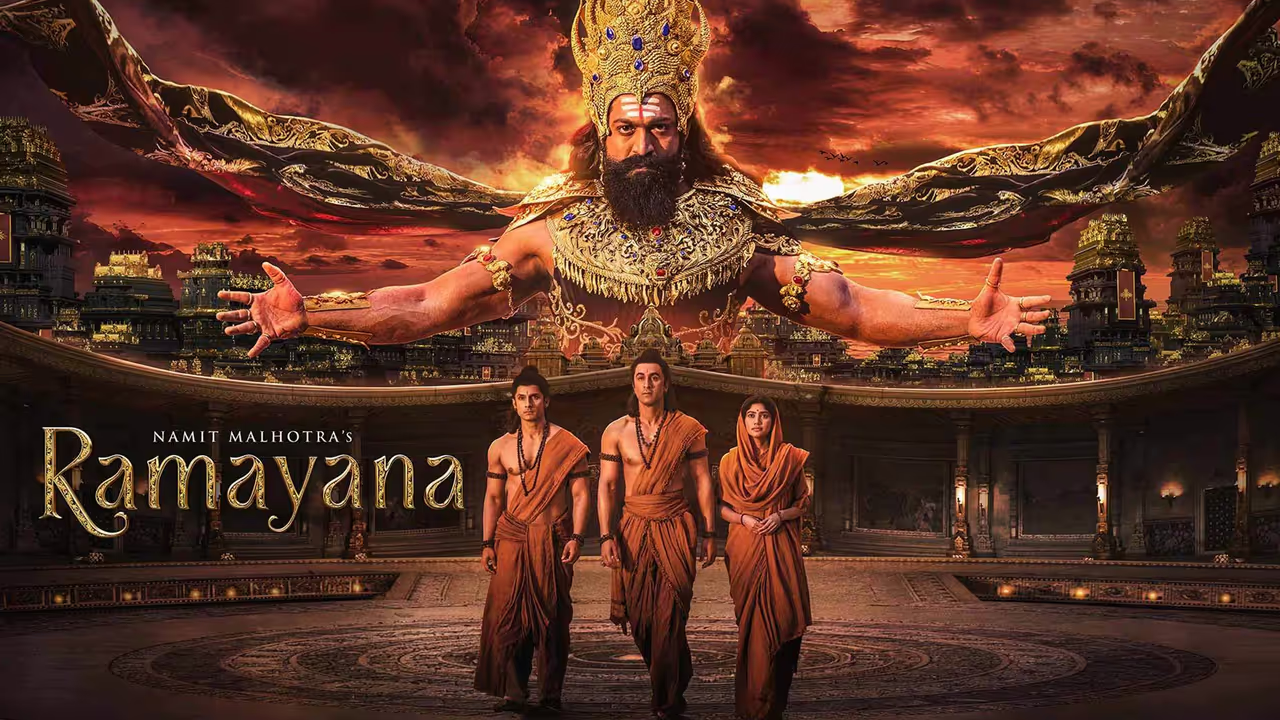
Ramayana Part 1: Ranbir Kapoor and Sai Pallavi’s Mangal Rang song from Ramayana: Part 1 has sparked debate over a ritual featuring Lord Ram. While some viewers see a haldi ceremony, others believe it could be a Mithila tradition
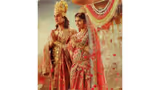
A sequence from Mangal Rang, the latest song from Nitesh Tiwari’s Ramayana: Part 1, has sparked curiosity among viewers trying to identify the ritual shown on screen. Featuring Ranbir Kapoor as Lord Ram and Sai Pallavi as Goddess Sita, the song offers a glimpse into the couple’s wedding celebrations and their life before exile.
One particular scene has drawn attention. Lord Ram is seen surrounded by women from his family as a yellow paste is applied to him during a traditional ceremony. The visuals initially led several viewers to interpret the sequence as a haldi ritual, commonly associated with Indian weddings.
However, the presence of Sita in the scene has prompted questions about whether that interpretation is accurate. Some viewers have suggested that the sequence could depict a different traditional ceremony rather than a conventional pre-wedding haldi.
Related Articles

The discussion has also brought attention to Chuman, or Chumawan, a blessing ritual associated with Mithila culture. While the possibility has gained traction among viewers, the exact ceremony shown in the song remains unconfirmed.
What Is Chuman Or Chumawan? Understanding The Mithila Ritual
Chuman, also known as Chumawan, is a traditional blessing ceremony practised in Mithila and parts of eastern Uttar Pradesh. It is associated with auspicious occasions, including weddings, and involves elders offering blessings for prosperity, happiness, longevity and good fortune.
Depending on local customs, the ceremony may involve the use of auspicious items such as turmeric, betel nuts, durva grass and red paddy rice. These items may be arranged on a traditional plate or vessel and used as part of the blessing ritual.
The precise customs can differ between communities, with variations in the items used and the way the ceremony is performed. The ritual's broader significance lies in seeking blessings and wishing well for the people involved.
This has led some viewers to wonder whether the yellow paste applied to Ram in Mangal Rang could be part of a regional blessing ceremony rather than a haldi ritual. Since the song features the wedding celebrations of Ram and Sita, the possibility of a Mithila-inspired custom has become part of the online discussion.
However, without an official explanation from the filmmakers, identifying the scene as Chuman or Chumawan remains speculative.
Could The Mangal Rang Scene Show Ram’s Coronation Ritual Instead?
Another interpretation being discussed online is that the sequence may be connected to Lord Ram’s anticipated coronation rather than his wedding celebrations.
The song reportedly brings together moments from different stages of Ram and Sita’s life, including their wedding and their time together before exile. This has left room for viewers to interpret individual scenes differently, particularly when the visuals do not clearly establish the context of a ceremony.
The yellow paste and the presence of family members could lead audiences to associate the sequence with more than one traditional ritual. However, the coronation theory, like the Chuman interpretation, has not been confirmed by the makers.
For now, the scene remains a talking point among fans examining the cultural details in Mangal Rang. An official clarification from the team behind Ramayana: Part 1 would help establish whether the sequence depicts a wedding custom, a regional blessing ceremony or a ritual connected to Ram’s coronation.